Arcade

Criticism

41 posts

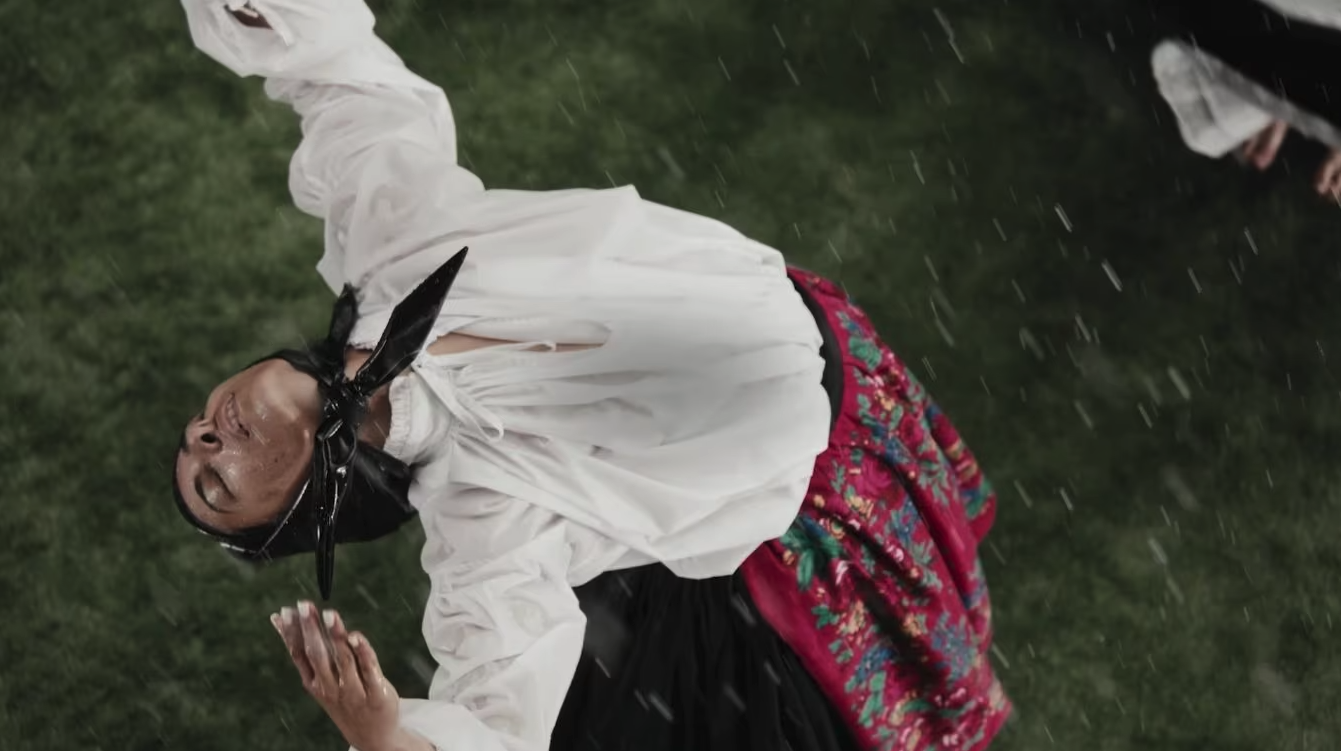
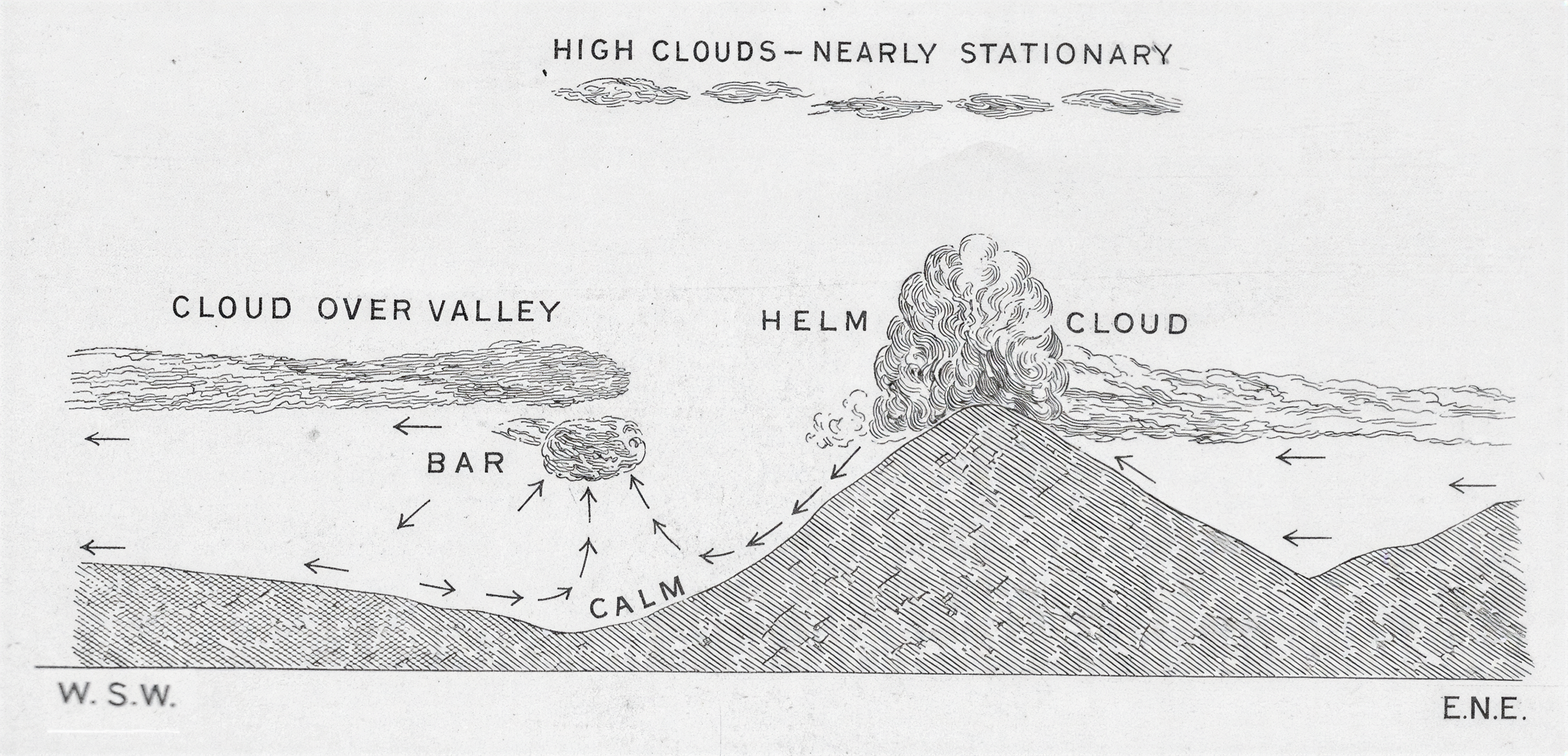
Batten the Hatches: On Sarah Hall’s Helm

Everything the wind blows on has decisions to make. The latest novel from Sarah Hall joins a growing conversation about non-human consciousness—and explores it with more joy, and more filth, than your average climate novel.
by Patrick Pittman /

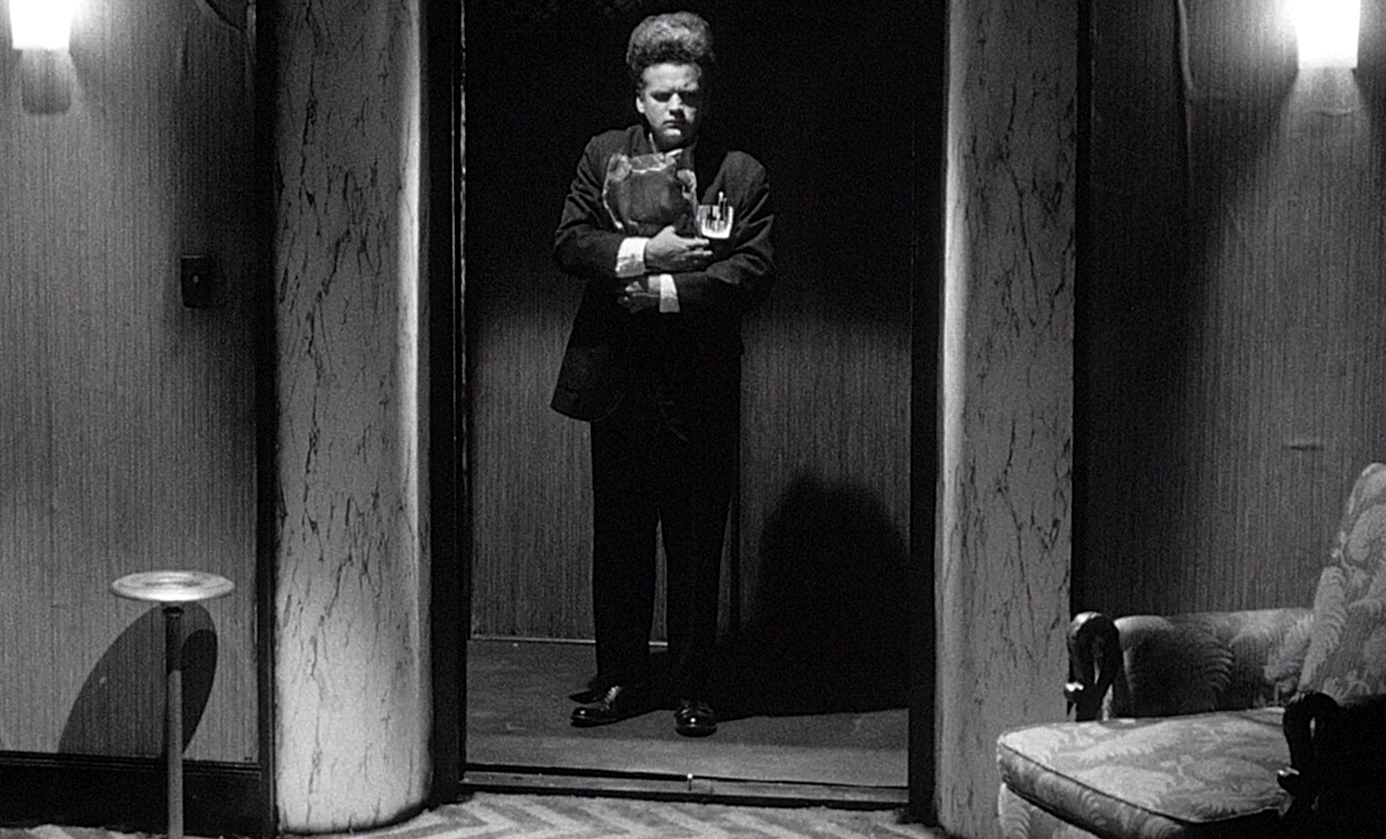
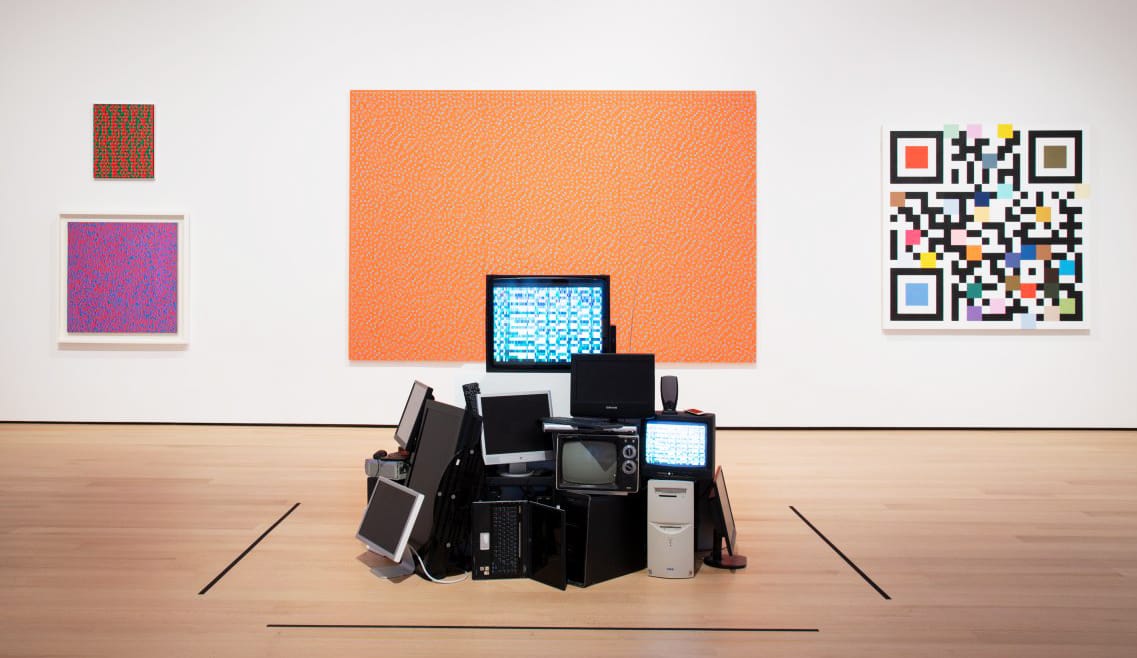
David Lynch, Beyond the Beyond, in Berlin

A Berlin exhibition of the beloved filmmaker's paintings and installations testifies to Lynch's 30-year connection with the city, from photographing its derelict urban spaces to an aborted attempt to establish a centre for Transcendental Meditation in Teufelsberg.
by Jonathan Garfinkel /
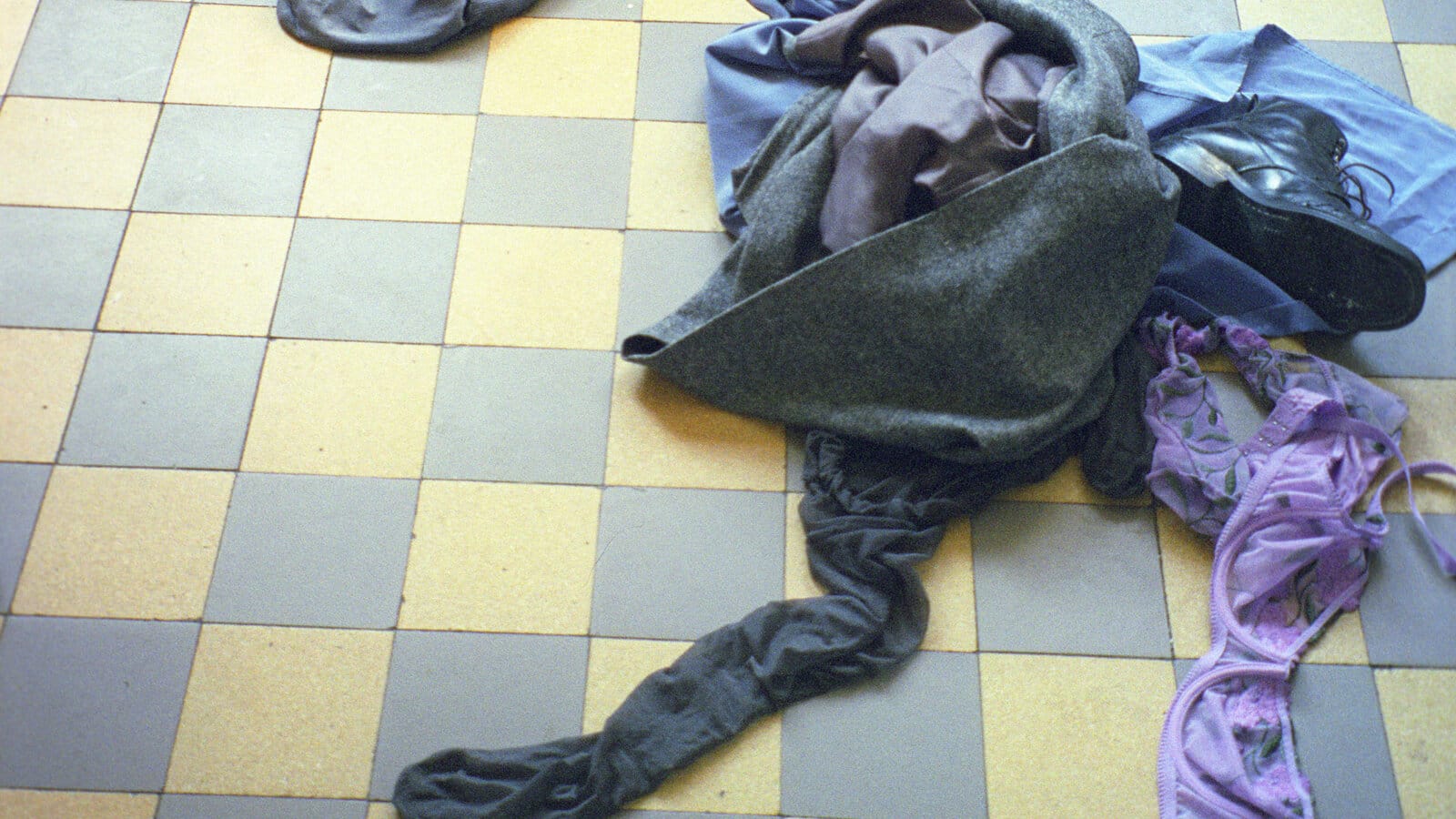
All Caught Up in the Infinite Middle

Tia Glista unravels the Möbius strip of narrative in Catherine Lacey’s latest book—a hybrid of memoir and fiction, about a recent break-up and an earlier loss of faith—and reflects on her own break with God, and what faith means in the first place.
by Tia Glista /

The Boring Kind of Heartbreak

In No Fault, Haley Mlotek searches for the language of love’s quiet undoing—from grief to the unexpected grace that comes with choosing to leave a marriage. Patrick Pittman traces what happens when cultural expectations, legal reform, and literary form converge in the finality of divorce.
by Patrick Pittman /

The Art of Quitting

Maybe true artistic freedom isn’t about about perseverance, but knowing exactly when to stop. Jowita Bydlowska reflects on the decision by her mentor and friend Barbara Gowdy to quit writing.
by Jowita Bydlowska /

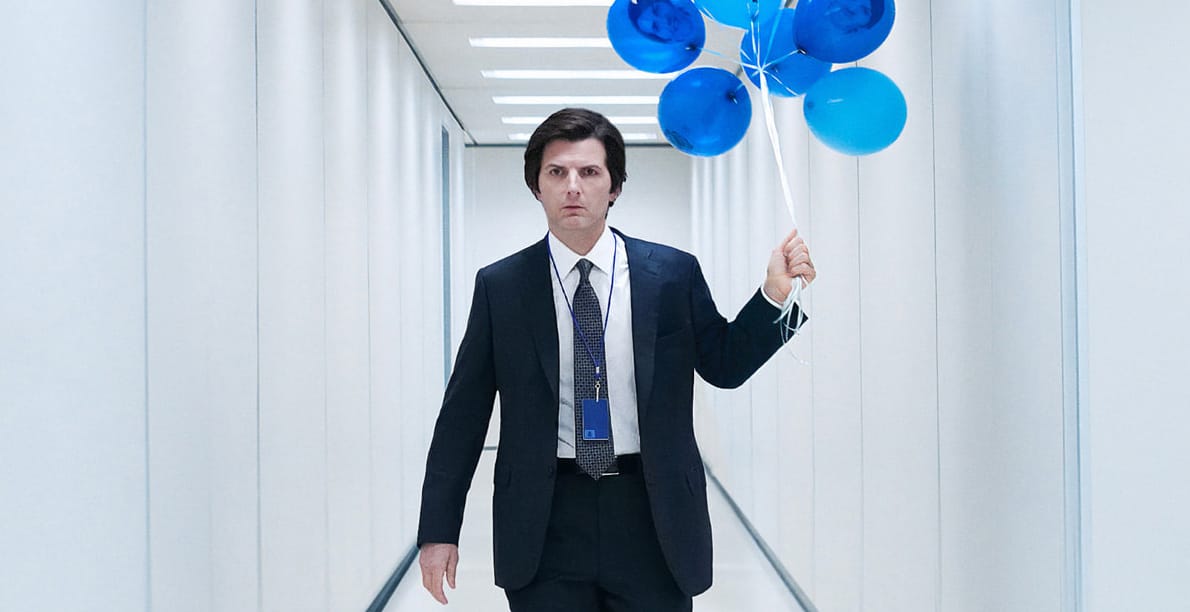
Severance, My Doppelganger, and Me

The doubles and divided selves who populate the world of Severance are no less fragmented than the ones we inhabit everyday. Carl Wilson unravels the TV show's eeriest truths.
by Carl Wilson /

The Aspirational Realness of Bonjour Tristesse

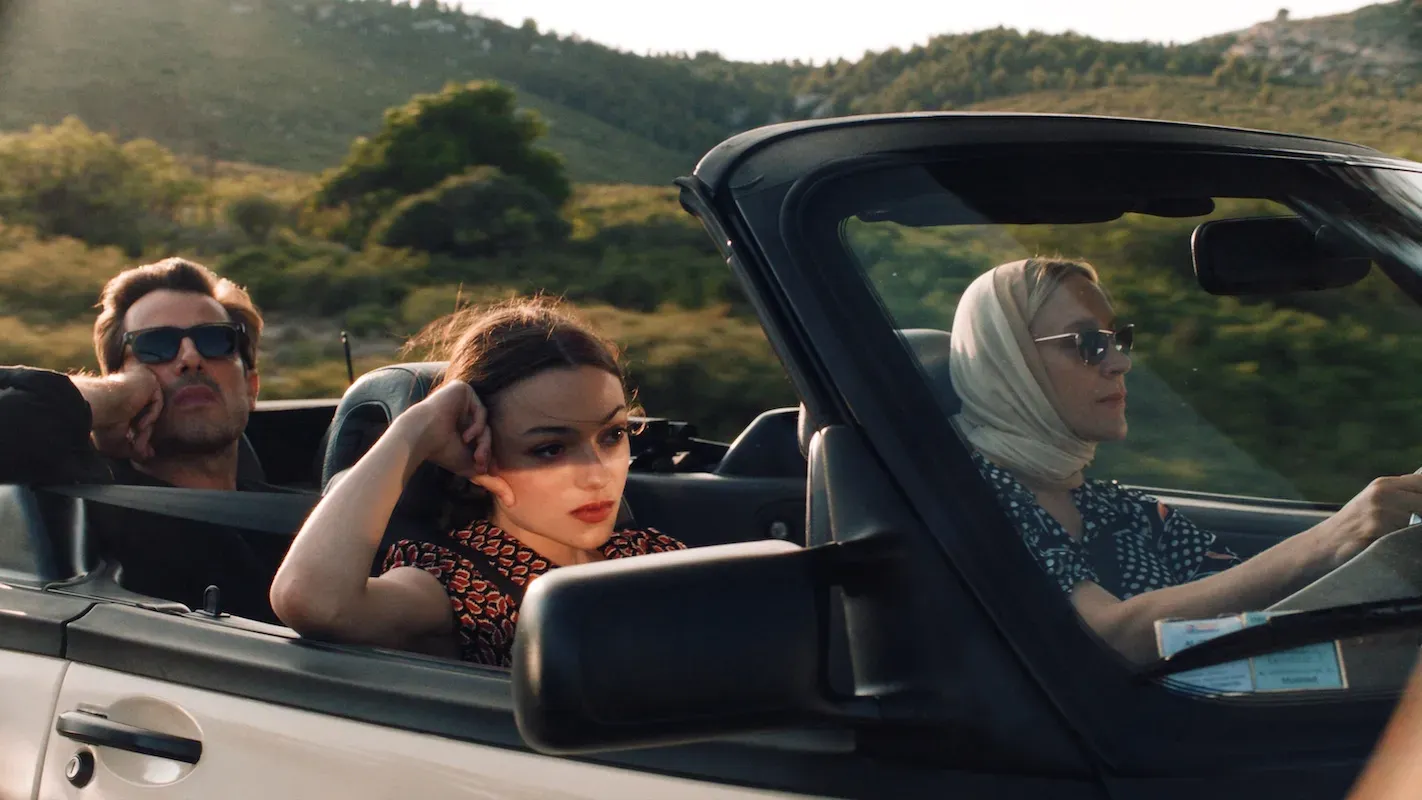
As with so much of her writing, Durga Chew-Bose’s directorial debut is an exercise in the poetics of close observation and studied nonchalance. But is there anything deeper going on beneath its perfectly impenetrable surface?
by Tatum Dooley /

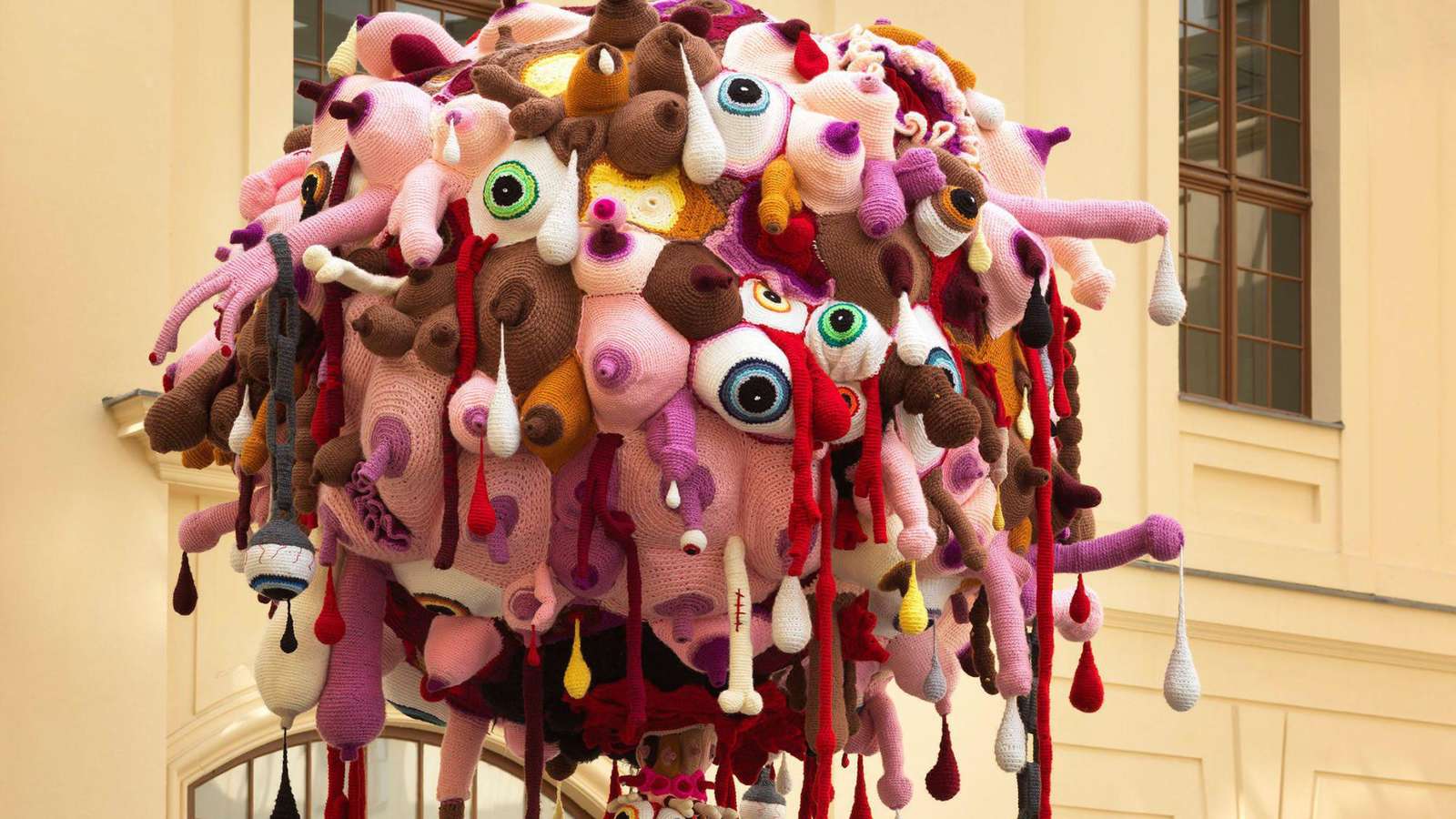
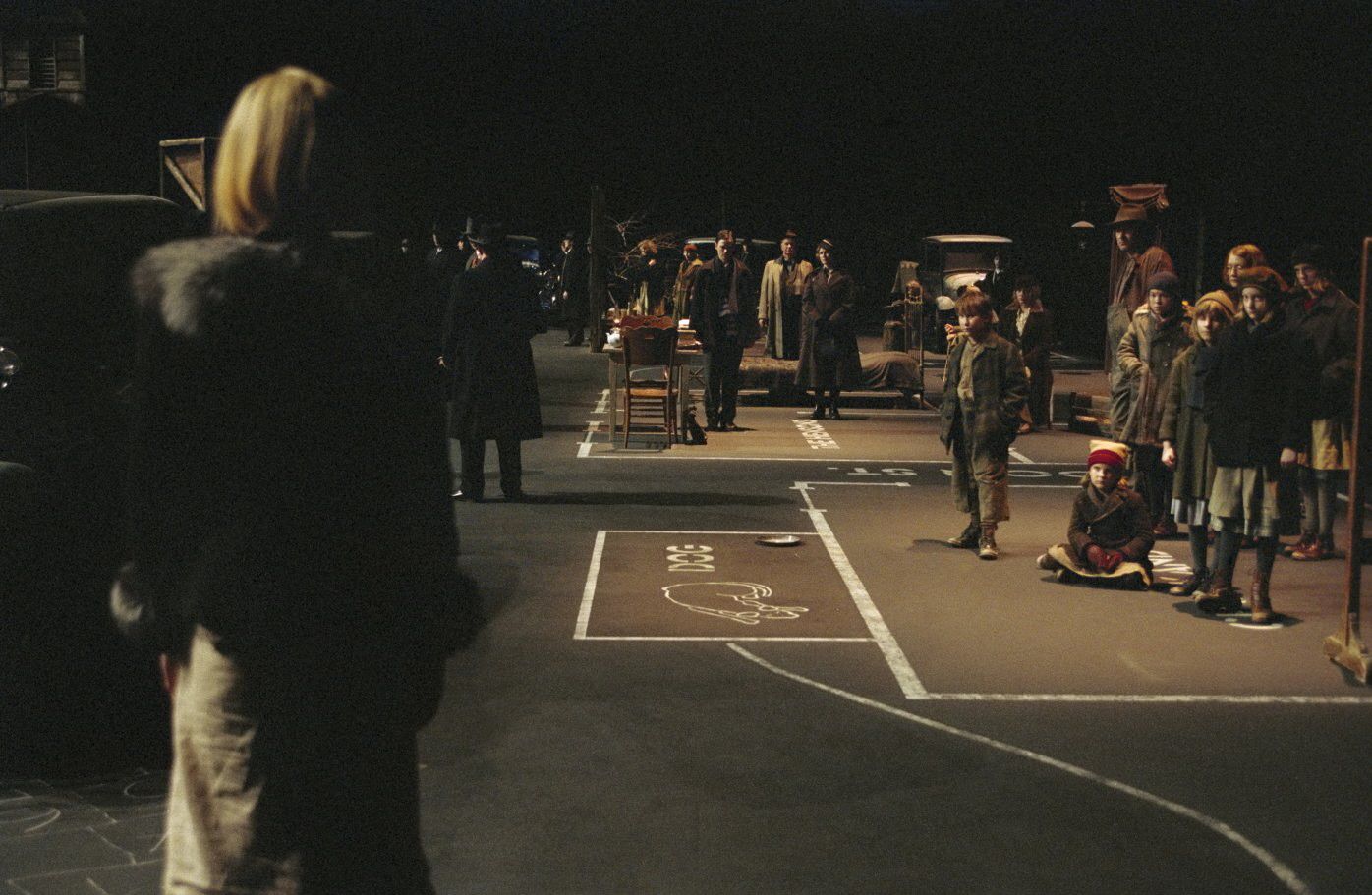
The Jewish Position on Sex

Jonathan Garfinkel explores a new exhibition that attempts the sticky, contradiction-laden, and perhaps impossible task of figuring what sex means in a Jewish context, from the Mishnah to Dr. Ruth and beyond.
by Jonathan Garfinkel /
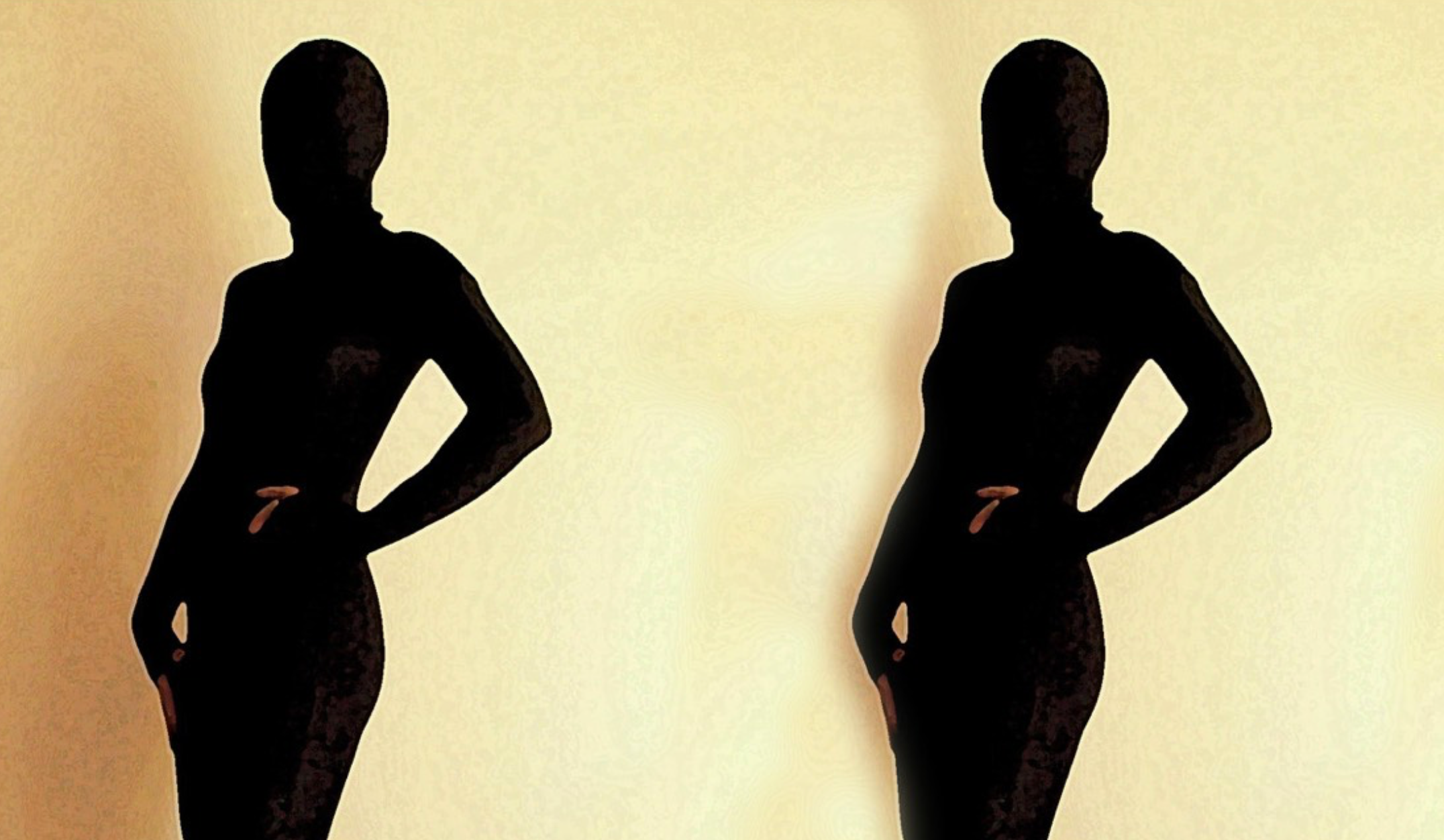
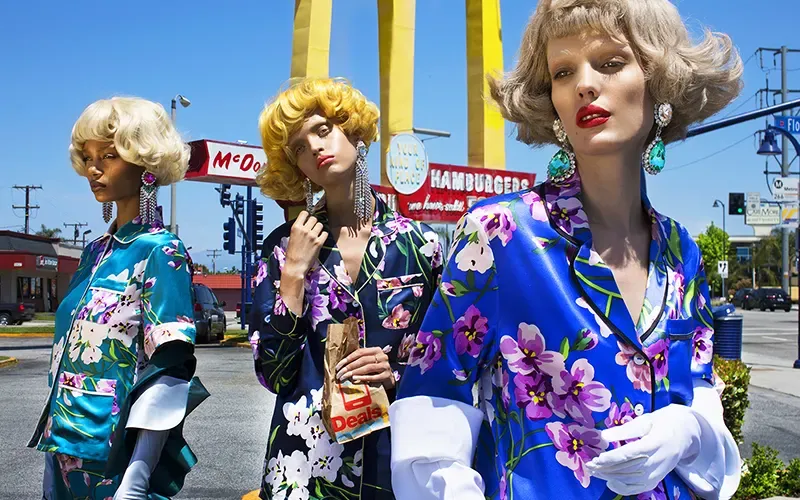
When a Garden Leans into Complexity

As with the field of botany, the idea of the botanic garden in the West is deeply rooted in the history of European imperialism and extractivism. Led by London's iconic Kew, botanic gardens around the world are now attempting to untangle the legacies of empire.
by Patrick Pittman /
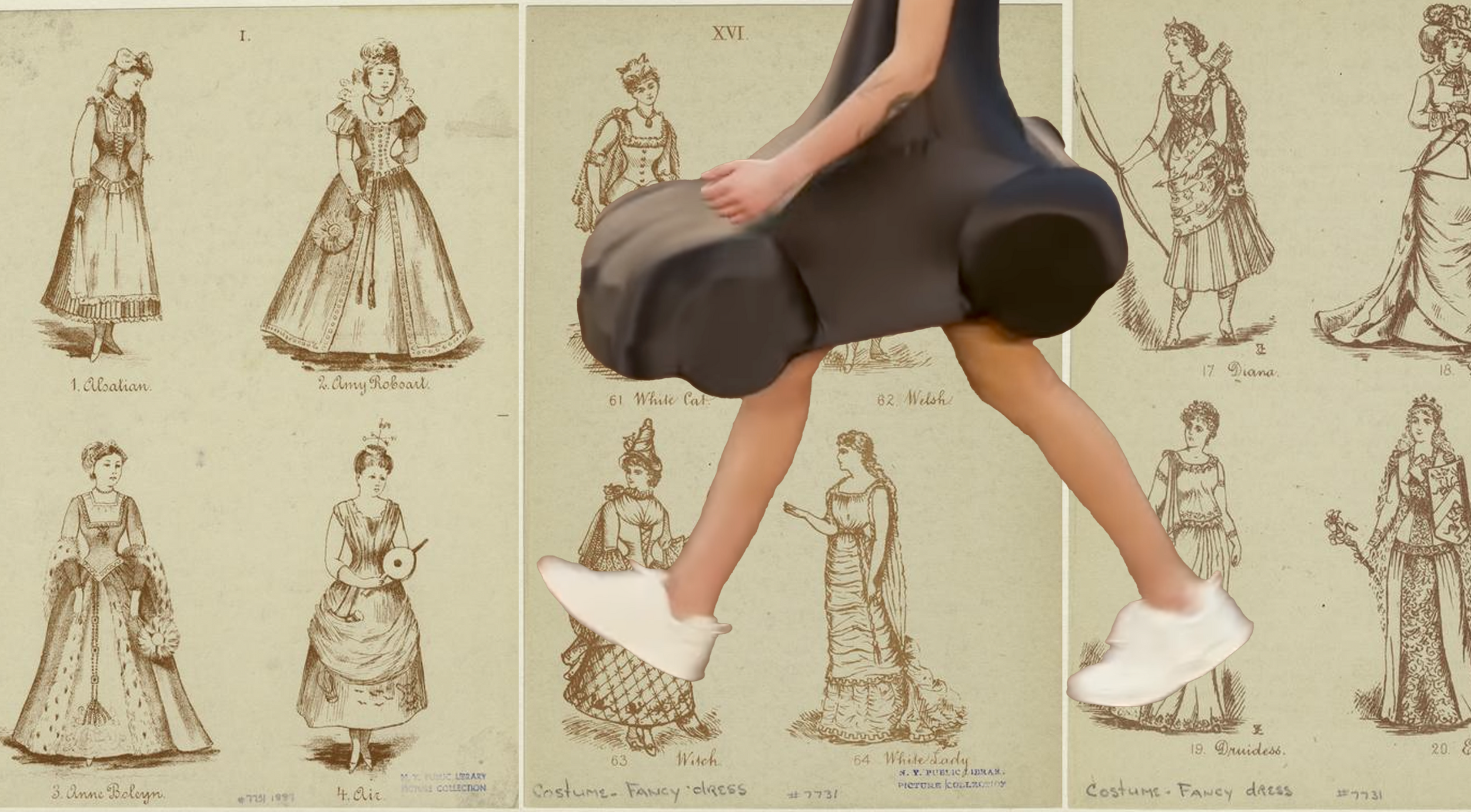
Til Freedom Do Us Part

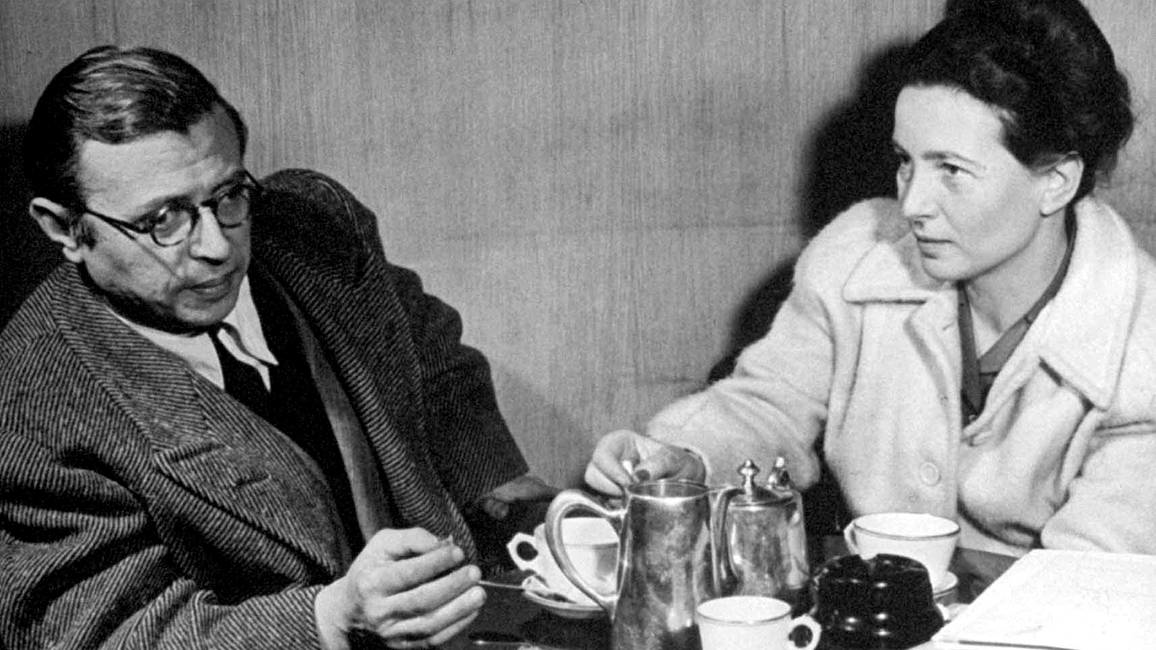
When it comes to 20th century intellectual power-couples, no two represented more disparate ideas about marriage and freedom than the chain-smoking liberationists Sartre and de Beauvoir on the one hand, and the neoliberal economists Milton and Rose Friedman on the other.
by Linda Besner /
A Portrait in Search of a Self

Does a dream house imply a dream self? Linda Besner, hunting for a home, considers how the photography used in listings serves as a malleable, market-driven form of portraiture.
by Linda Besner /

Order and the Stable Self

What’s the meaning of a sentence? A paragraph? Linda Besner considers the abecedarian work that makes Sheila Heti’s Alphabetical Diaries so much more than an exercise in spreadsheet manipulation.
by Linda Besner /

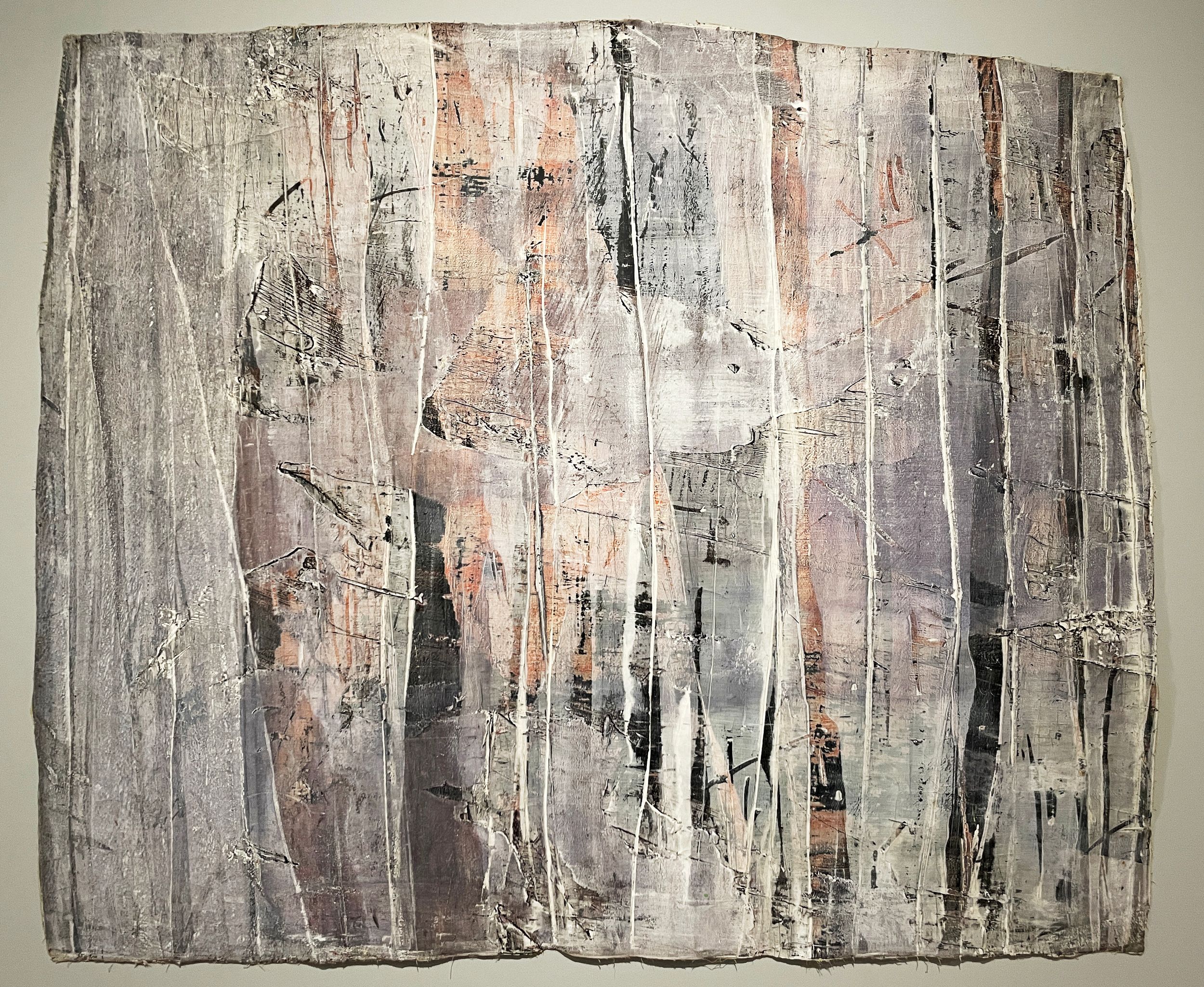
A Flare Amidst the Rubble

In our first instalment of “Stopped in My Tracks”, a new series in which a contributor reflects on a life-altering encounter with an artwork, Carly Lewis discovers a sense of regeneration in Judit Reigl’s Guano.
by Carly Lewis /

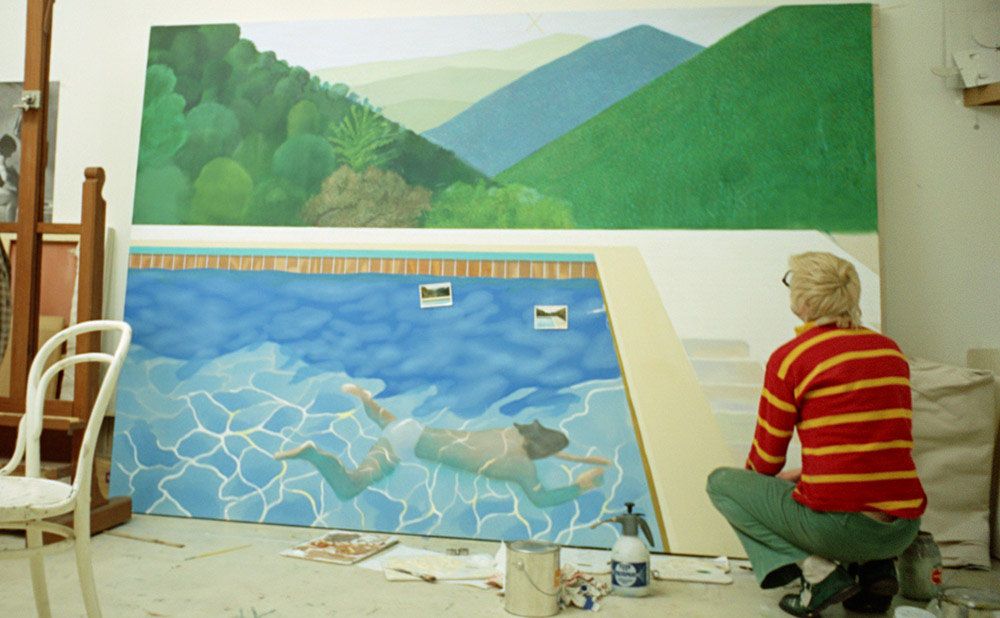
The Naked Pool

At the intersection of the public and private, the clothed and unclothed, the swimming pool has long been a favoured motif among artists and writers. But as fall settles in, what about the months when it's closed? Who are the artists of the drained pool?
by Linda Besner /

Thoughts for the Aftermath

Jacqueline Rose’s new collection of essays navigates our present chaos with help from those who thought their way through the calamities of the last century.
by Patrick Pittman /