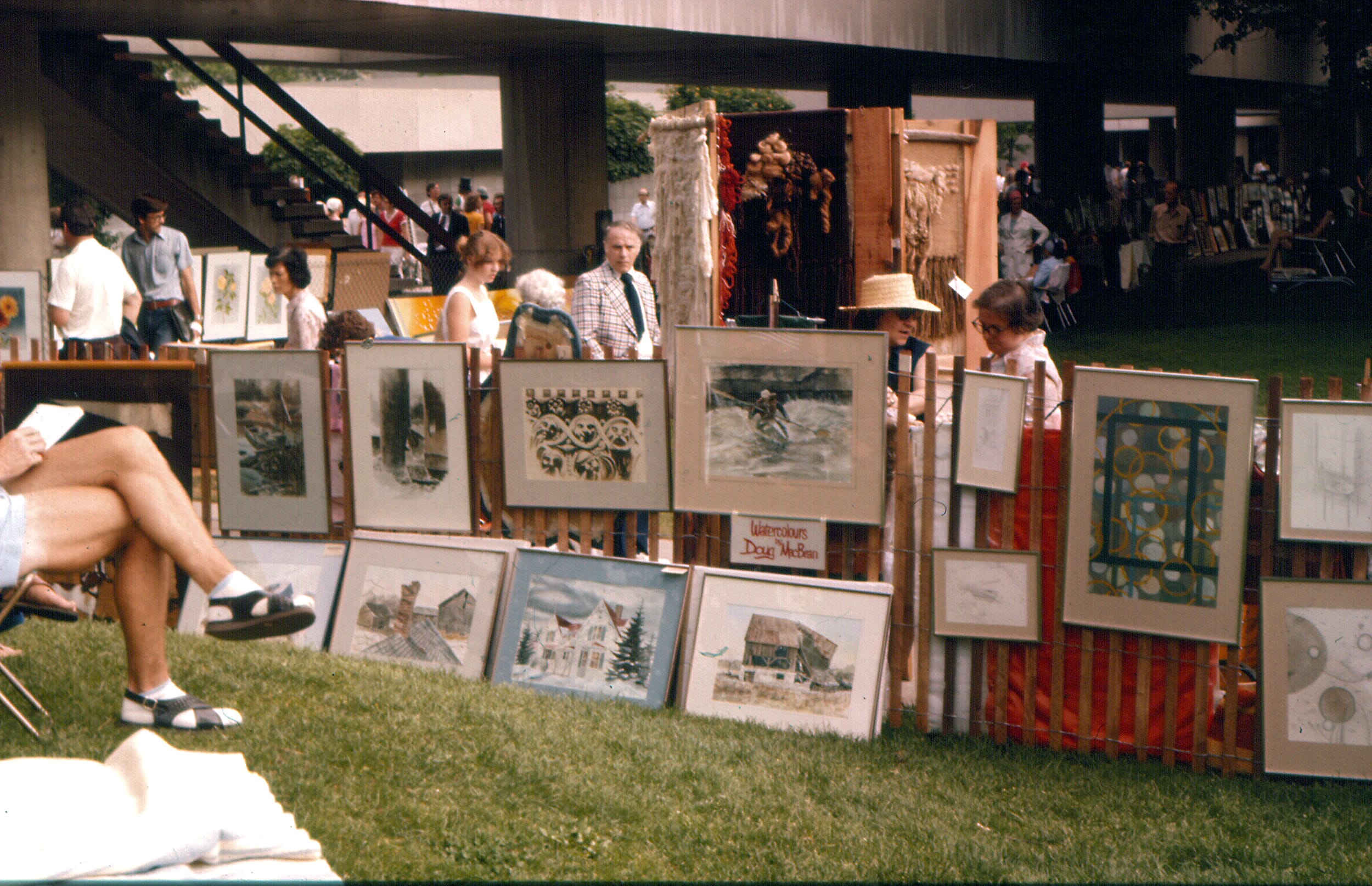
From rave buses to Art Nest, Nathan Phillips Square is where Toronto has always gathered. Josh Greenblatt on sixty-five years of the Toronto Outdoor Art Fair and its founding idea that art is for everyone.
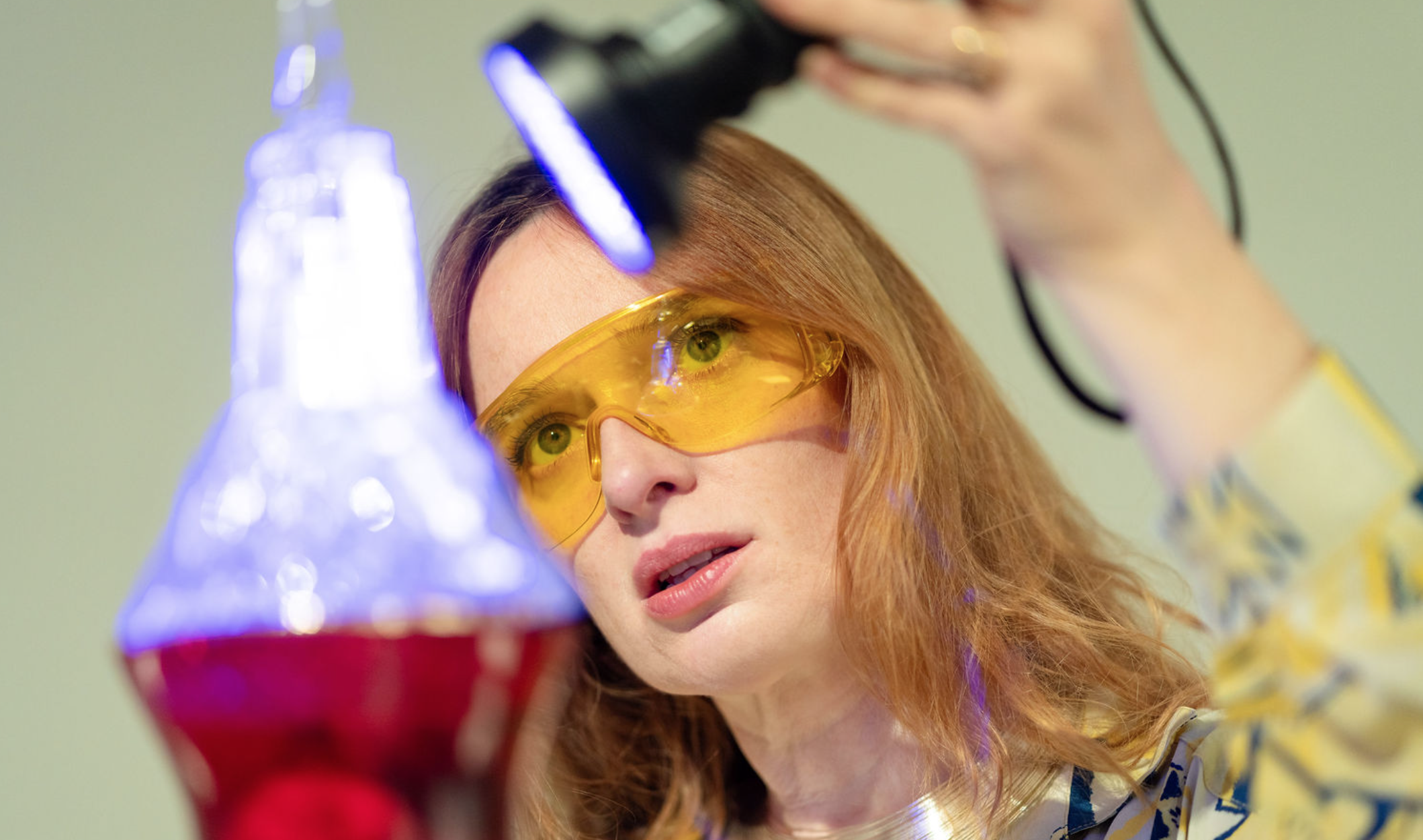
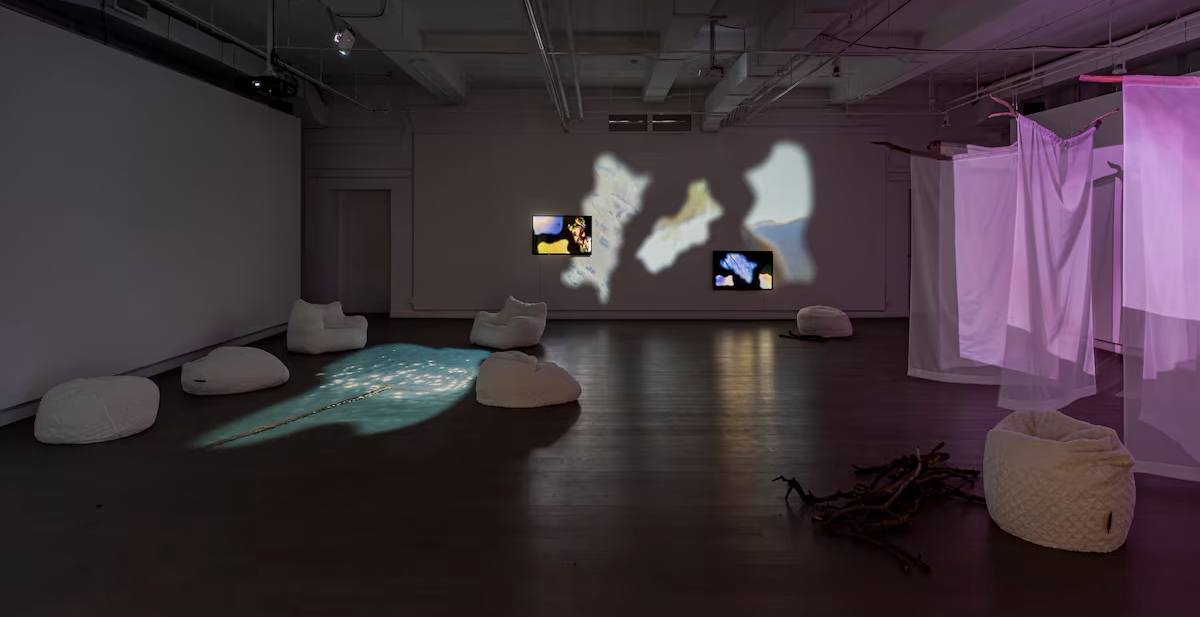
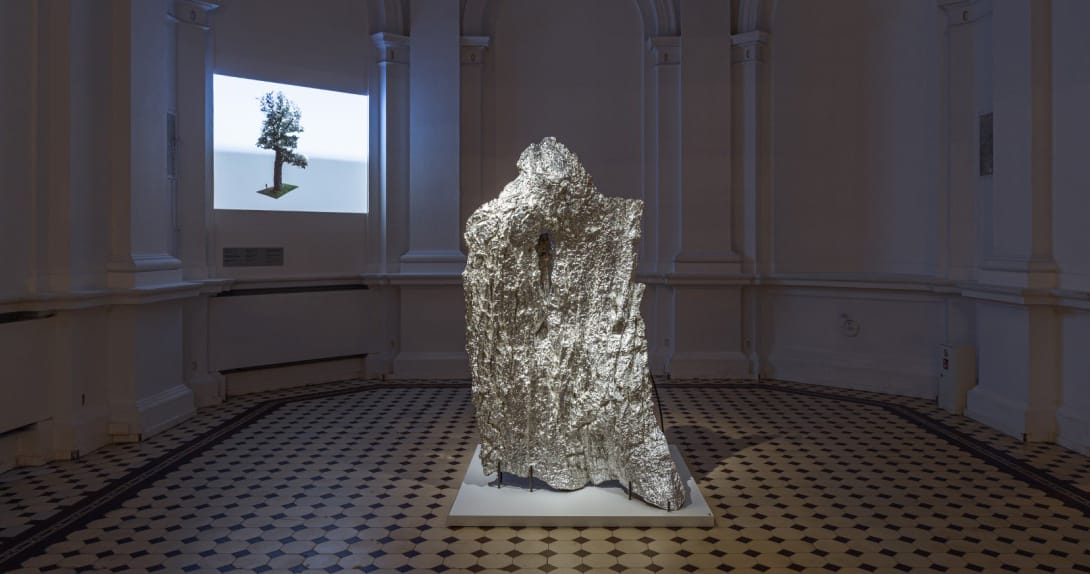
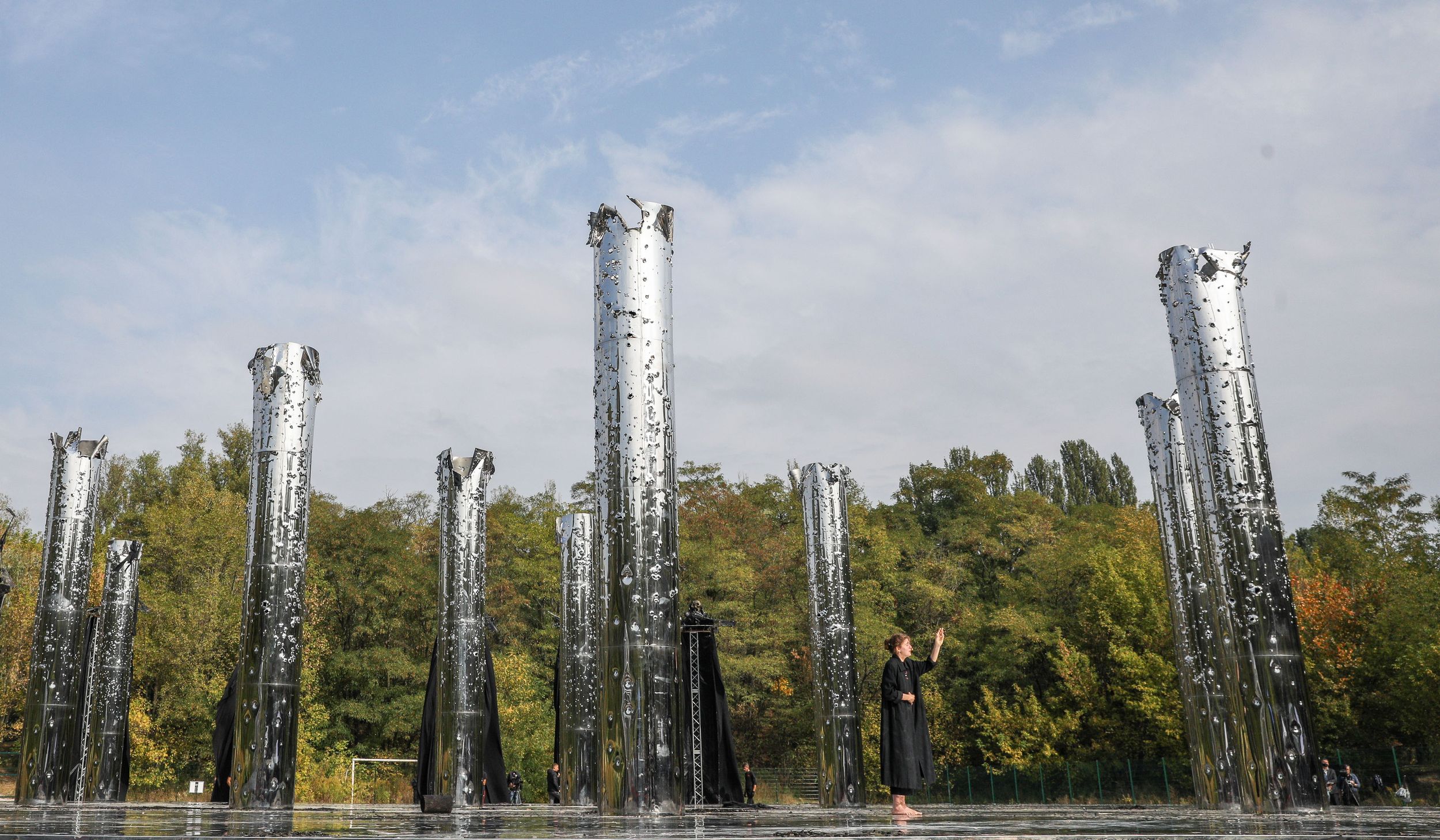
Polish artist and architect Natalia Romik speaks with Arcade about her exhibition Plague Crystals, now at Koffler Arts, and why fragile, translucent towers of crystal might hold what haunts us better than any stone monument.
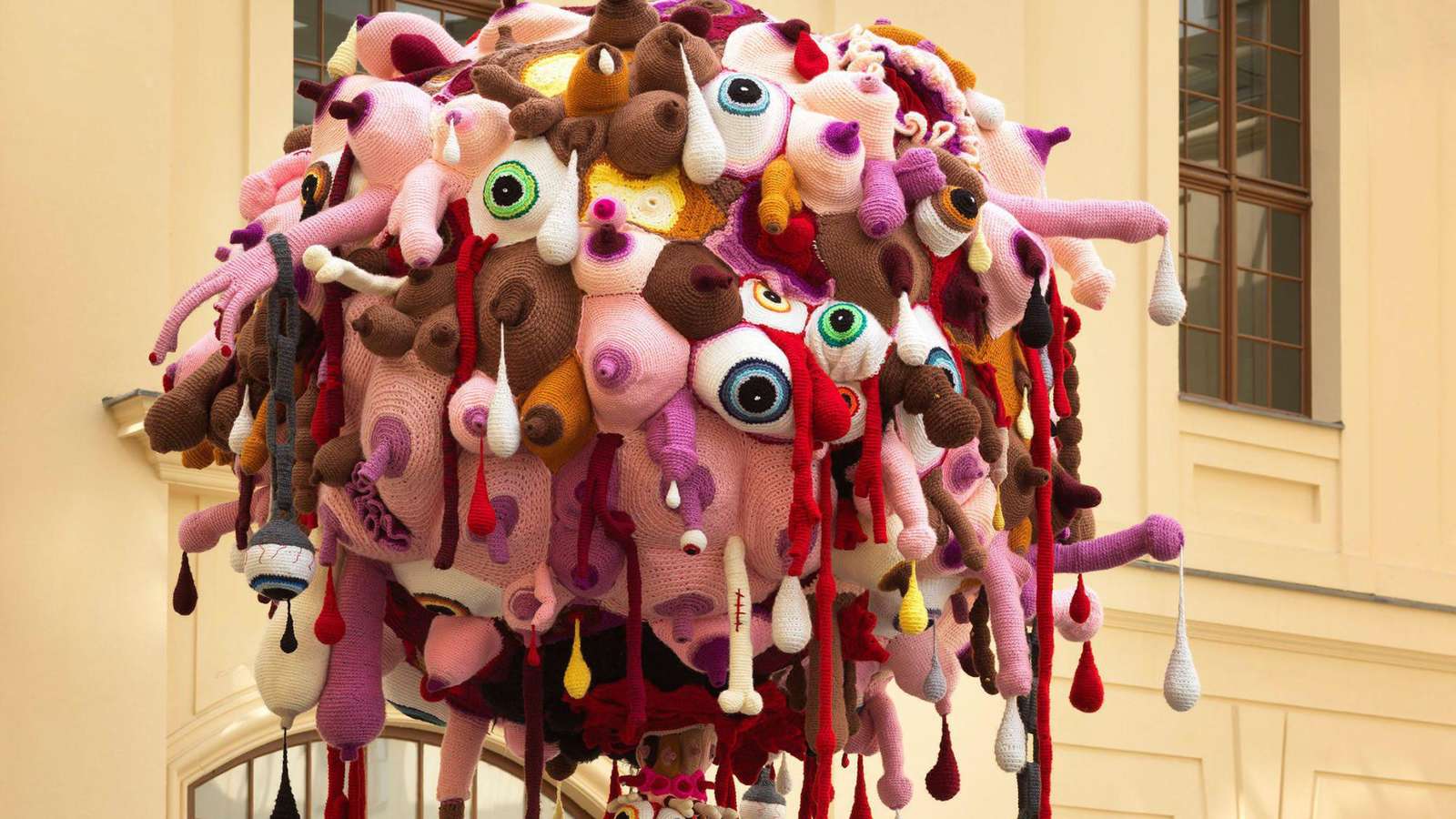
Approaching 80, the celebrated Belgrade-born artist insists with her new exhibition at Gropius Bau that "Now it is the right time to talk about eroticism."
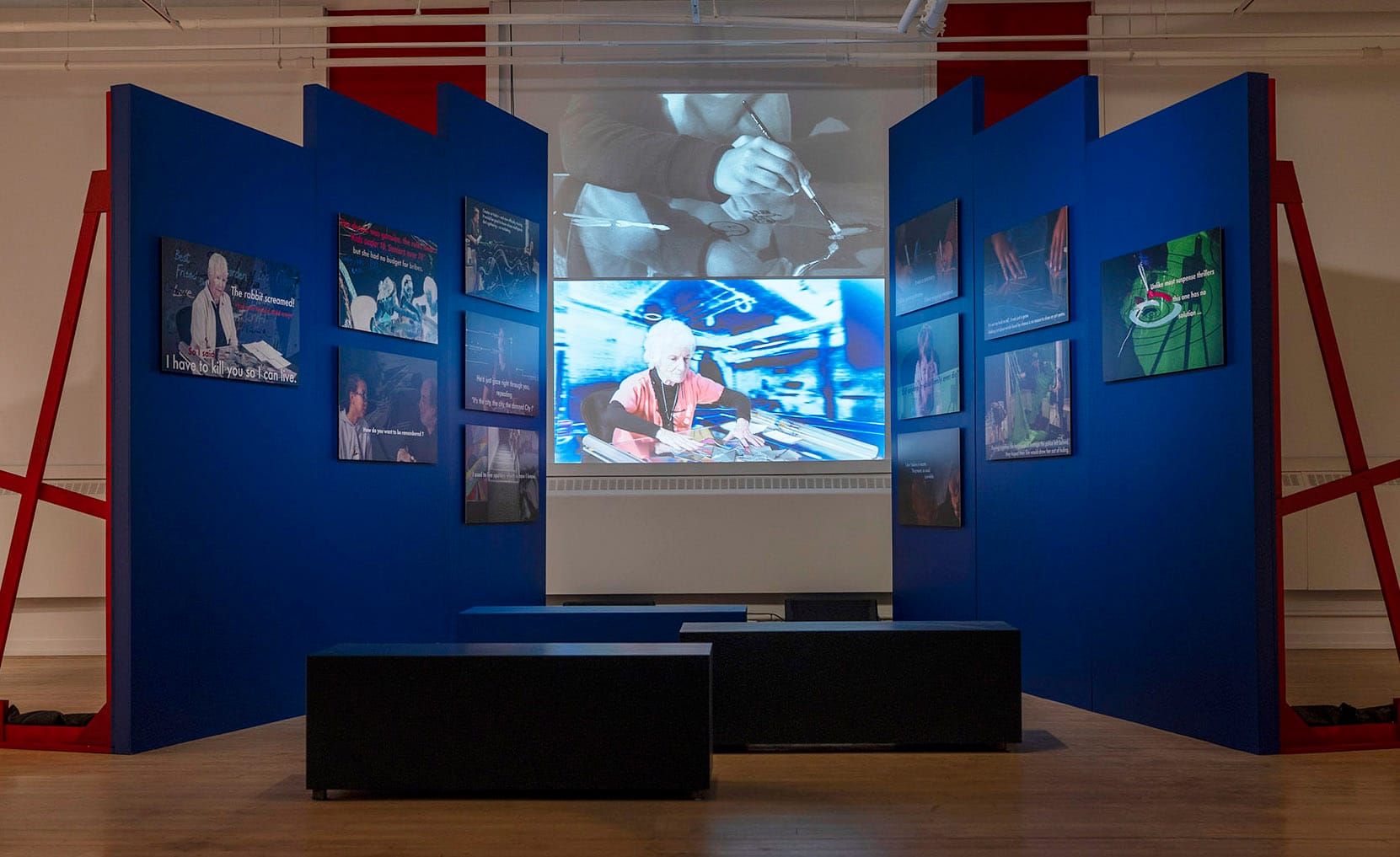
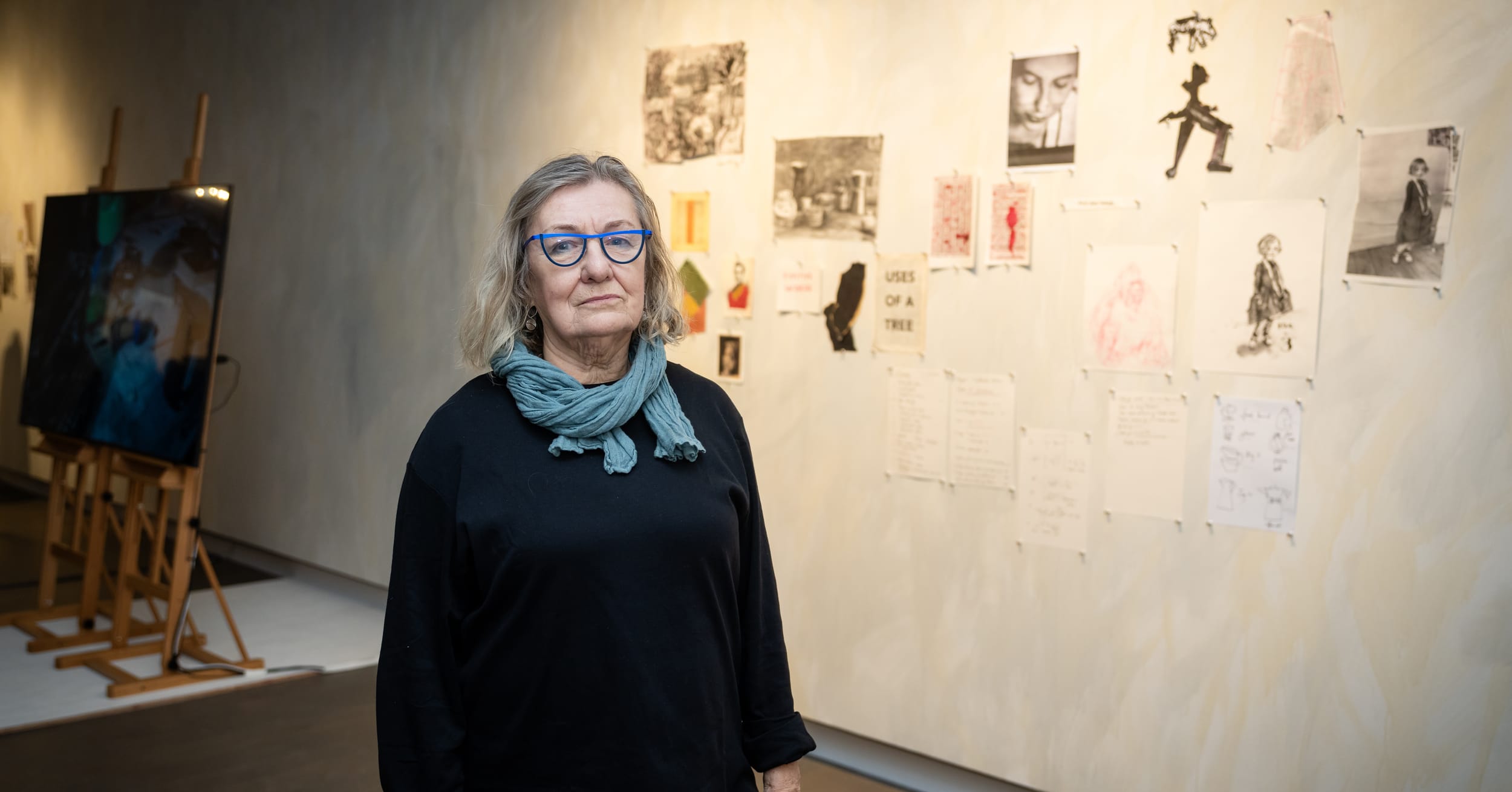
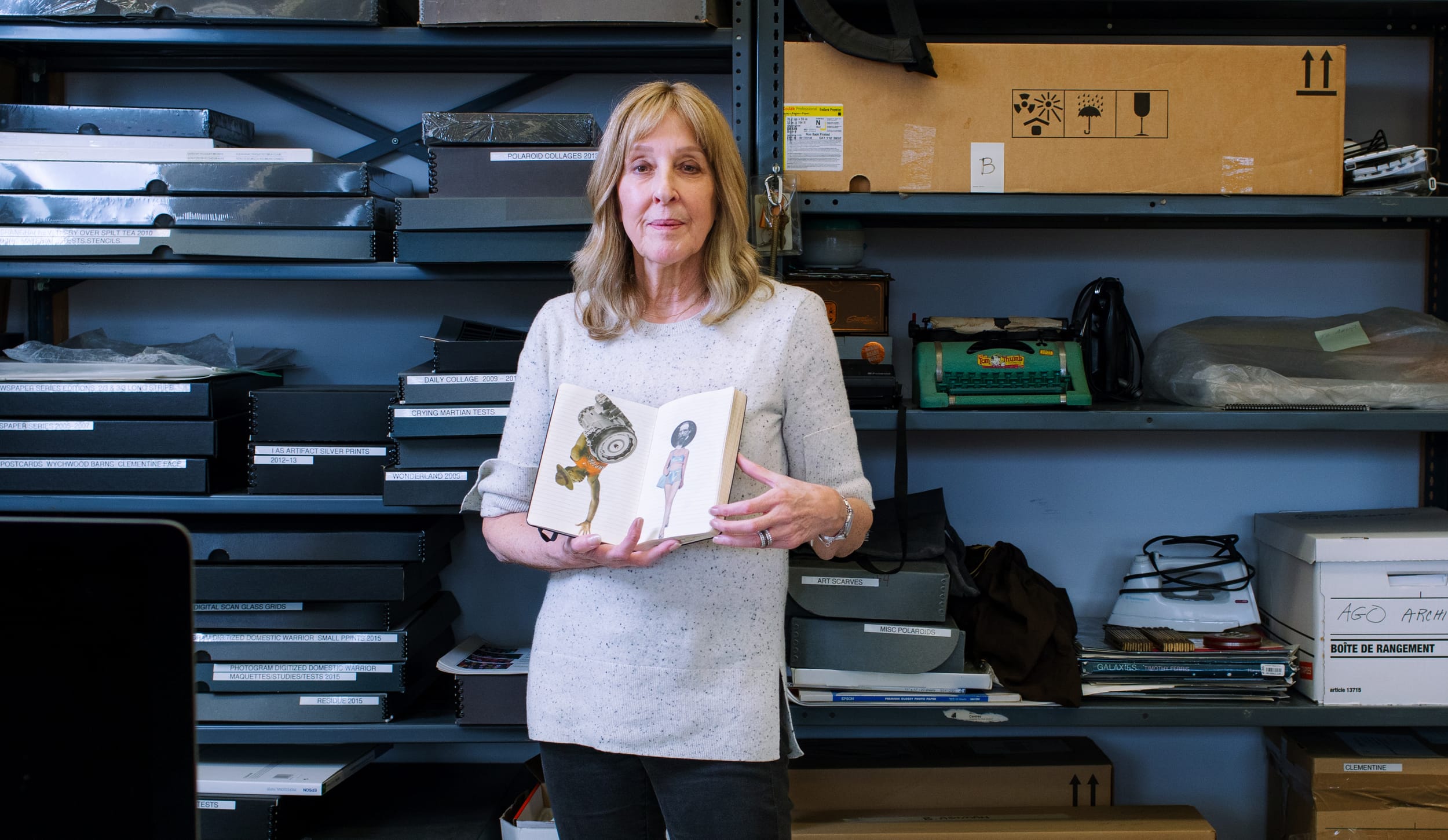
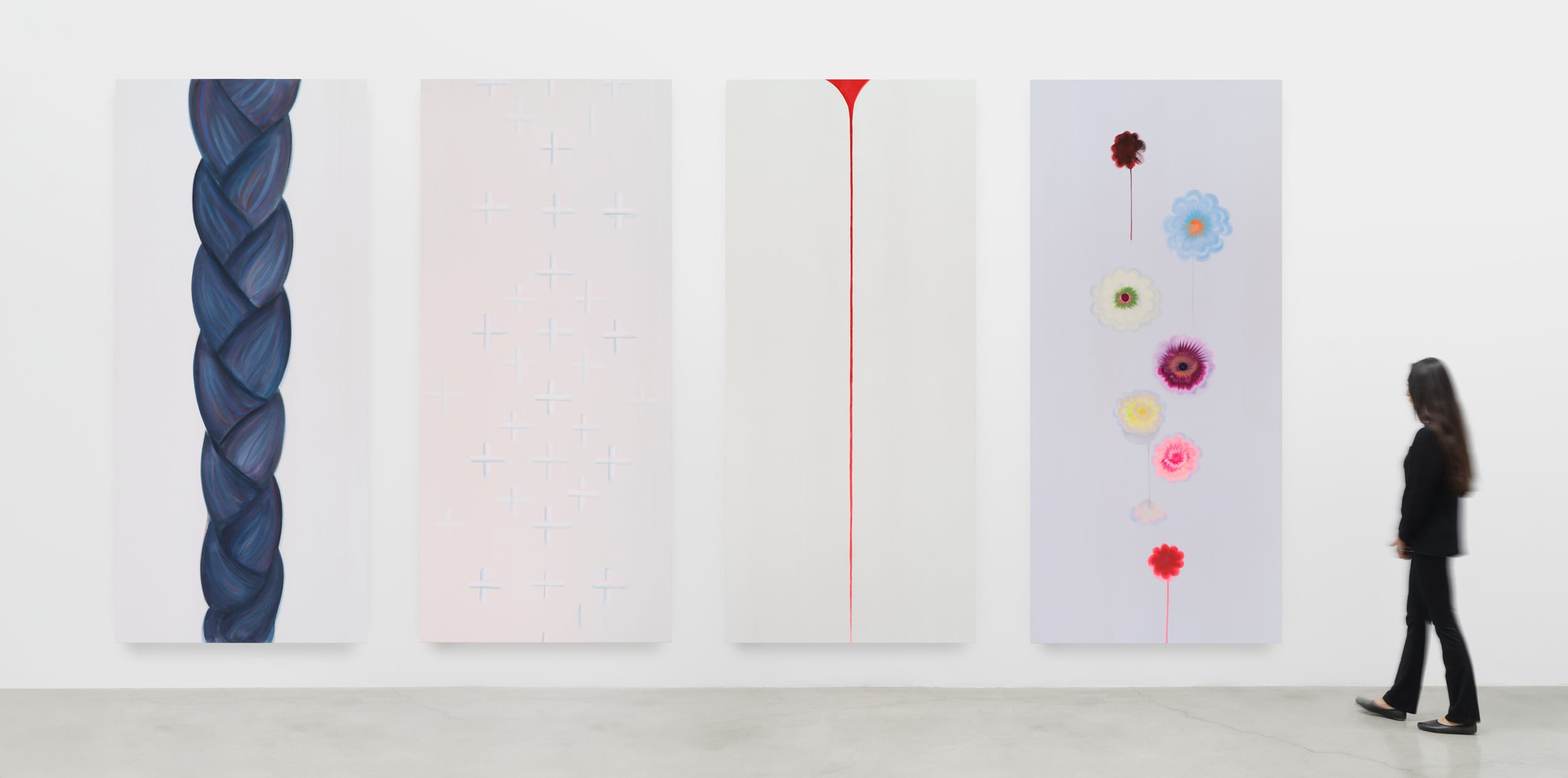
The pioneering Toronto multidisciplinary artist speaks with filmmaker Egoyan about the thinking and creative process behind her latest work, As If by Chance..., and the two types of prejudice faced by elder artists.
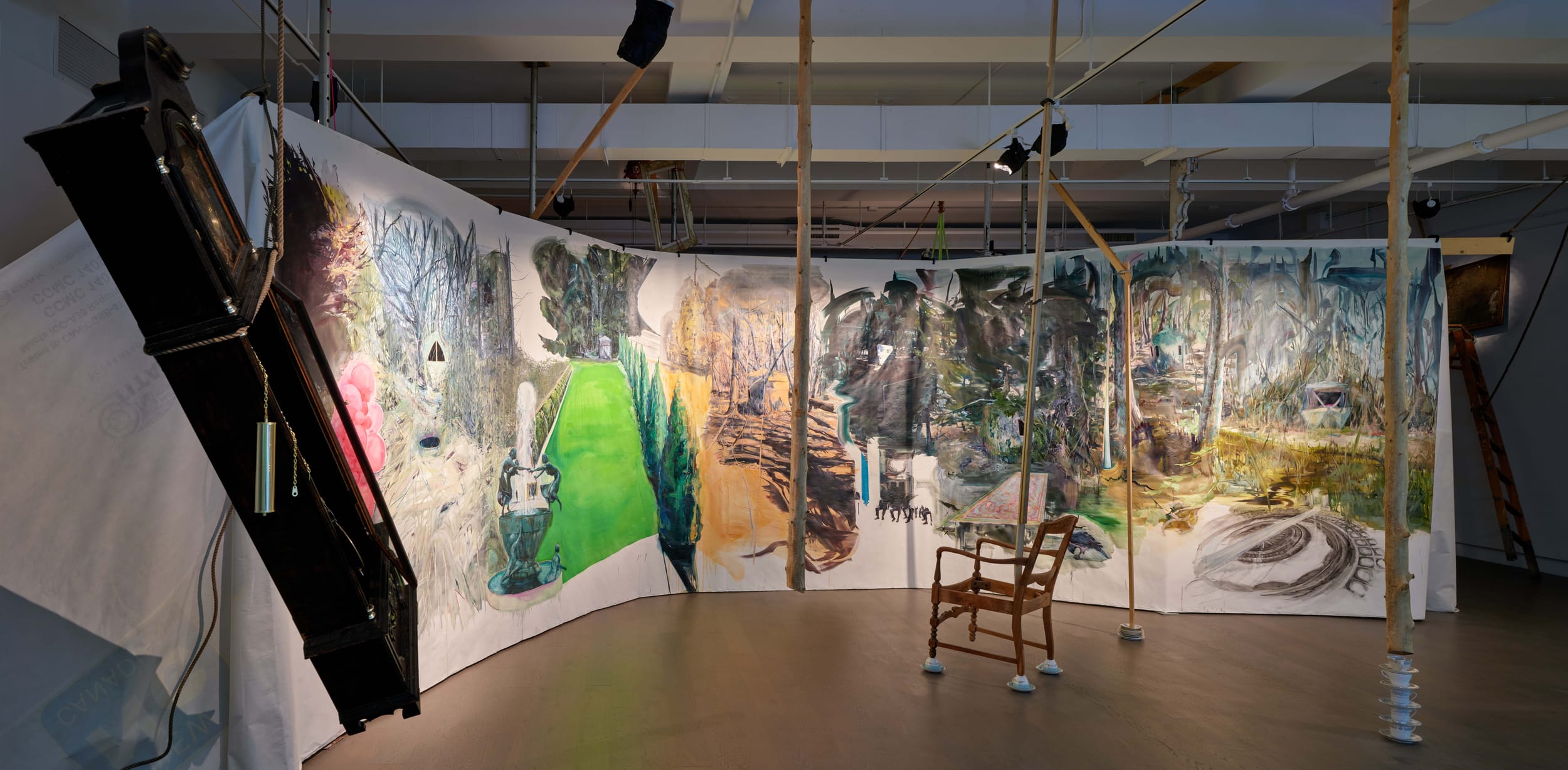
With her new exhibition, Glorious Catastrophe, Toronto artist Gillian Iles seeks out the paradoxes and possibilities in moments of extreme transformation.
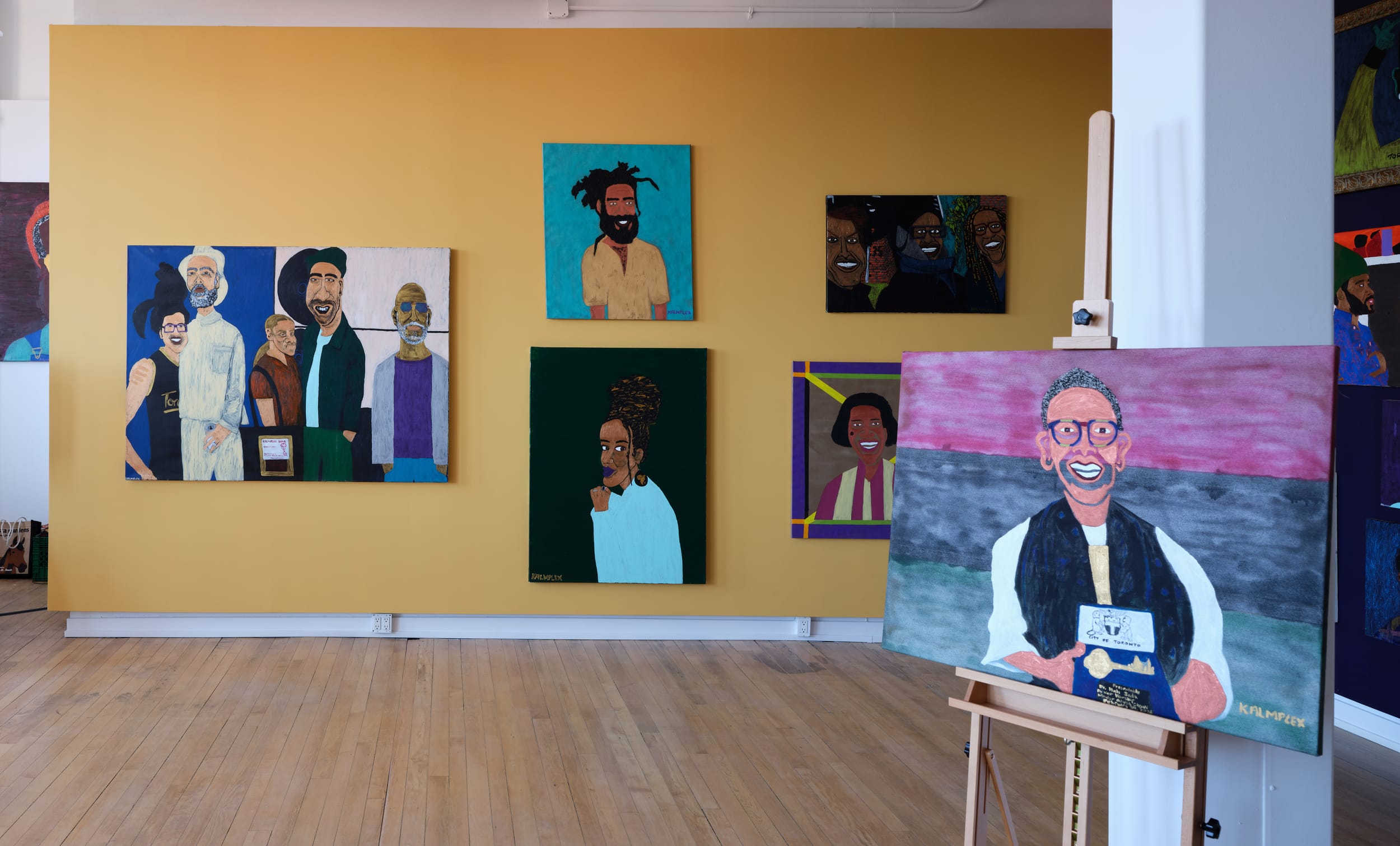
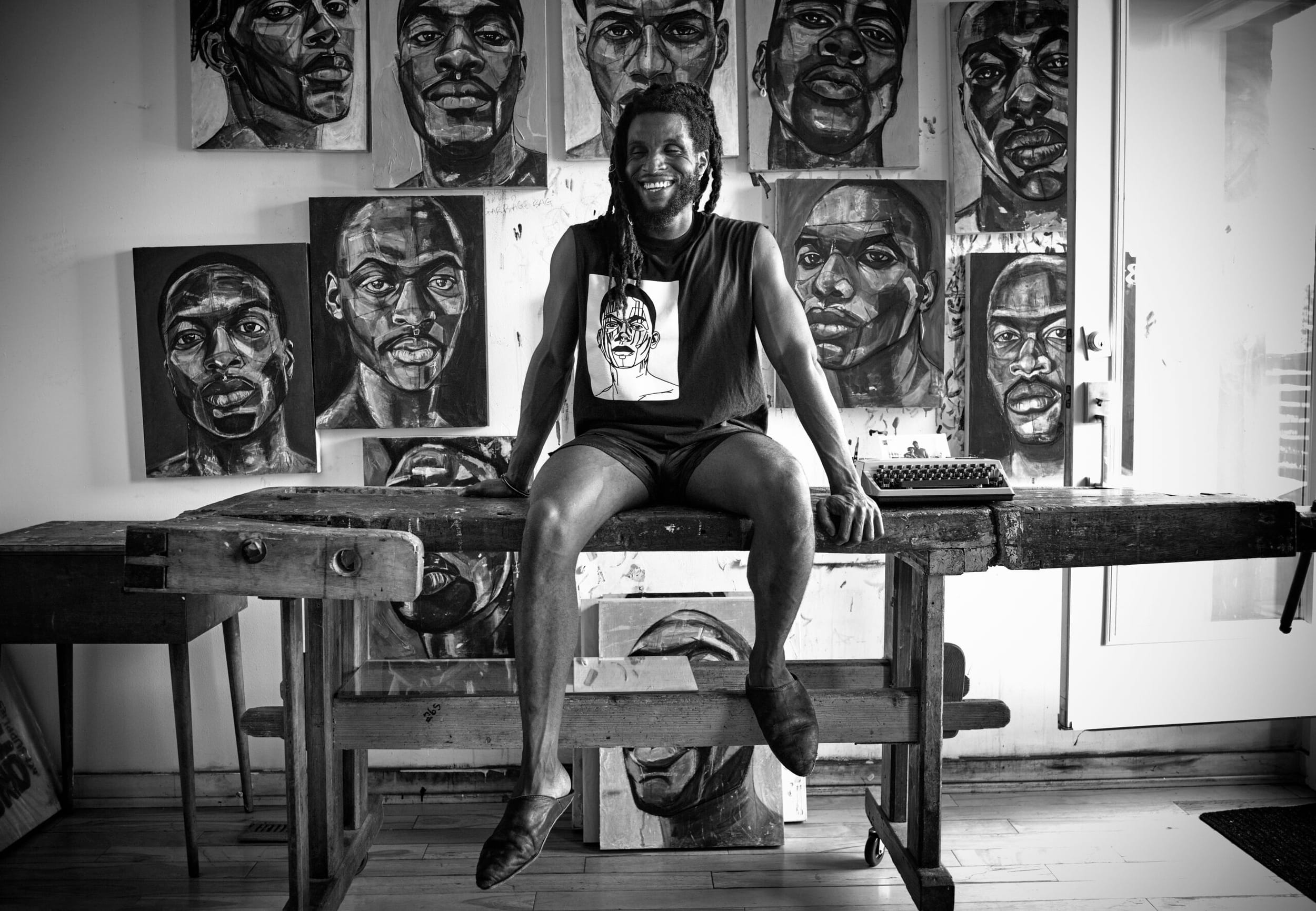
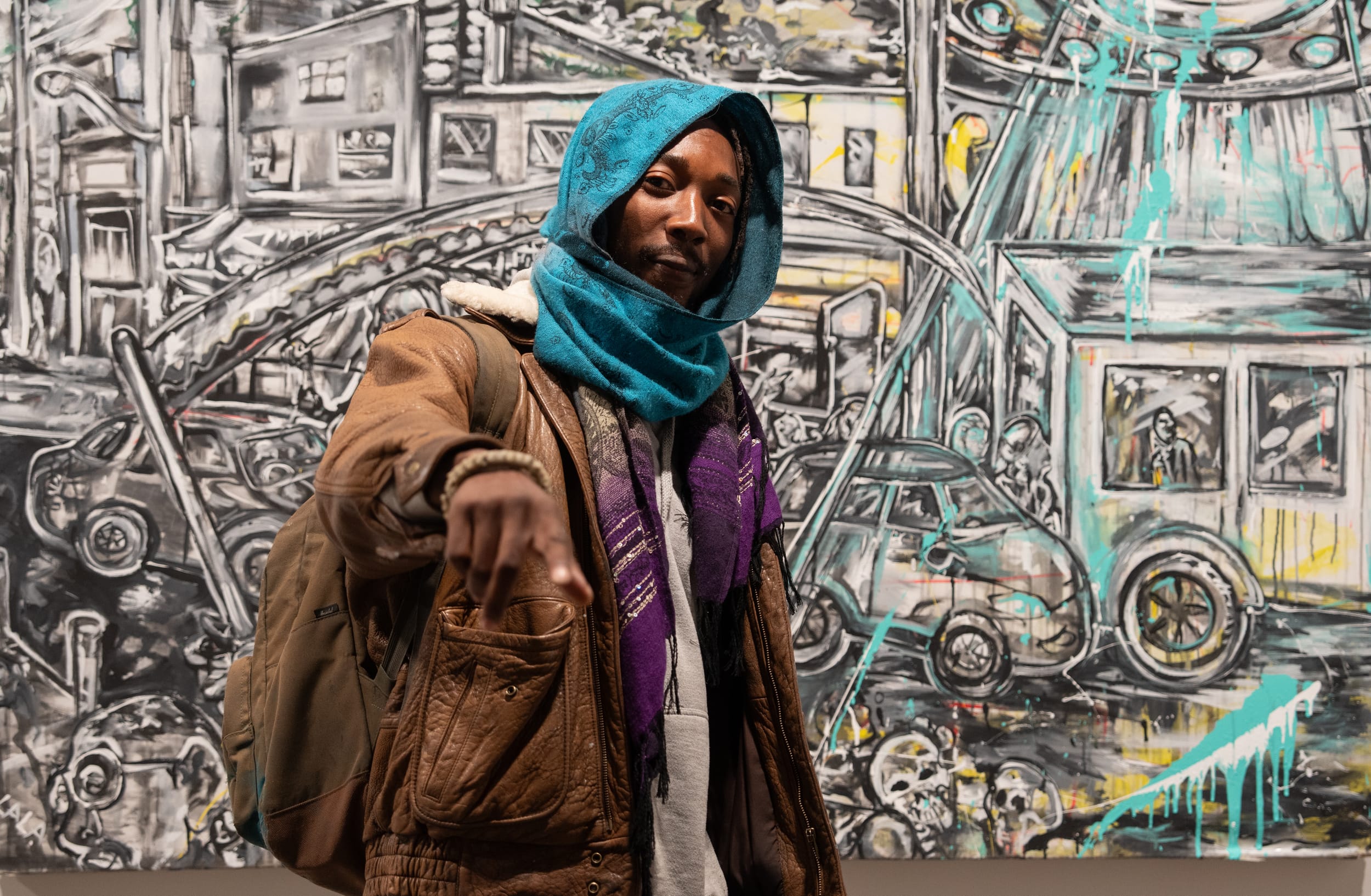
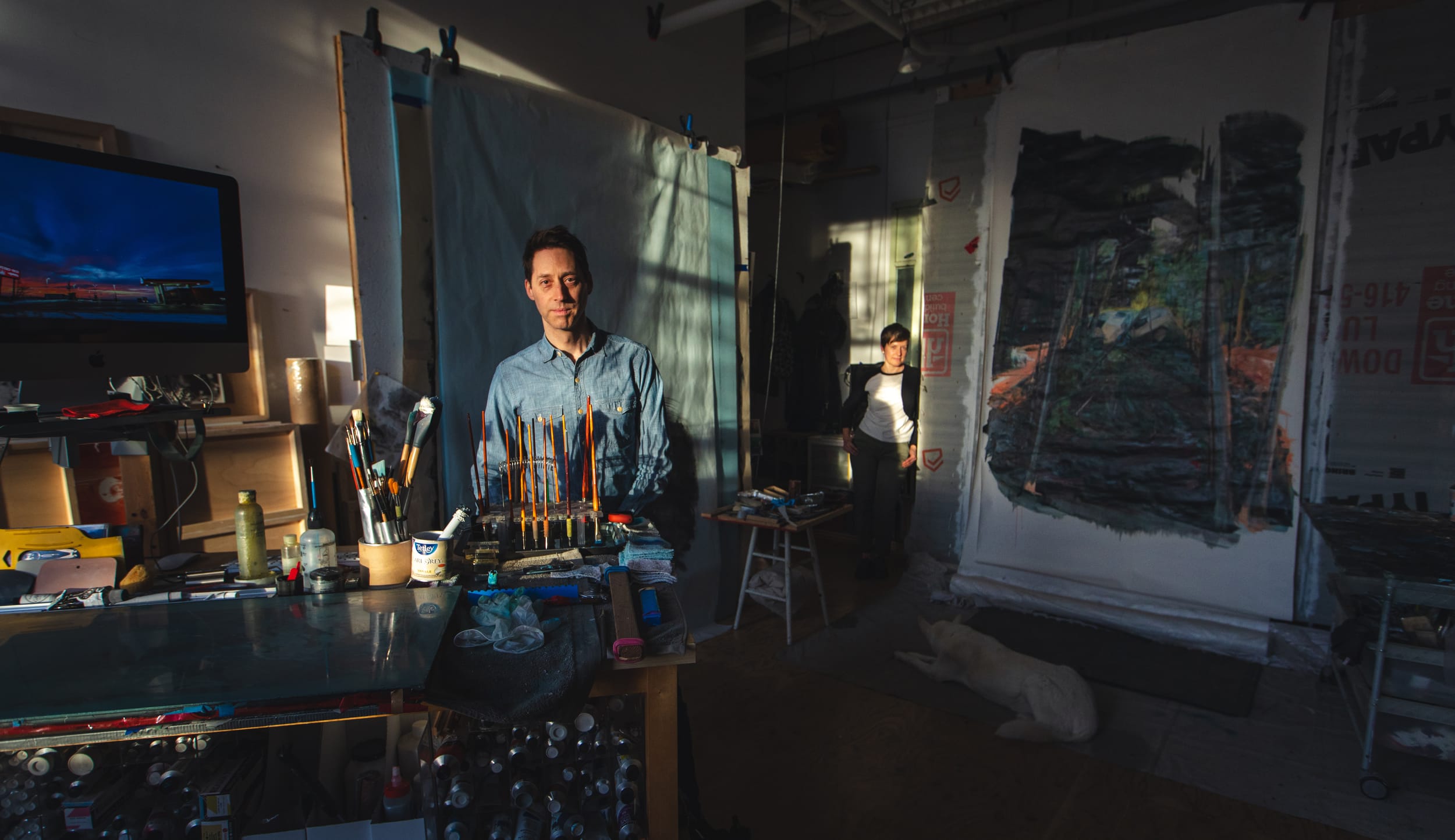
Toronto artist Kalmplex talks with curator David Liss about the inspirations behind his current exhibition at Koffler301 and his worries over the city losing its places of culture and connection.
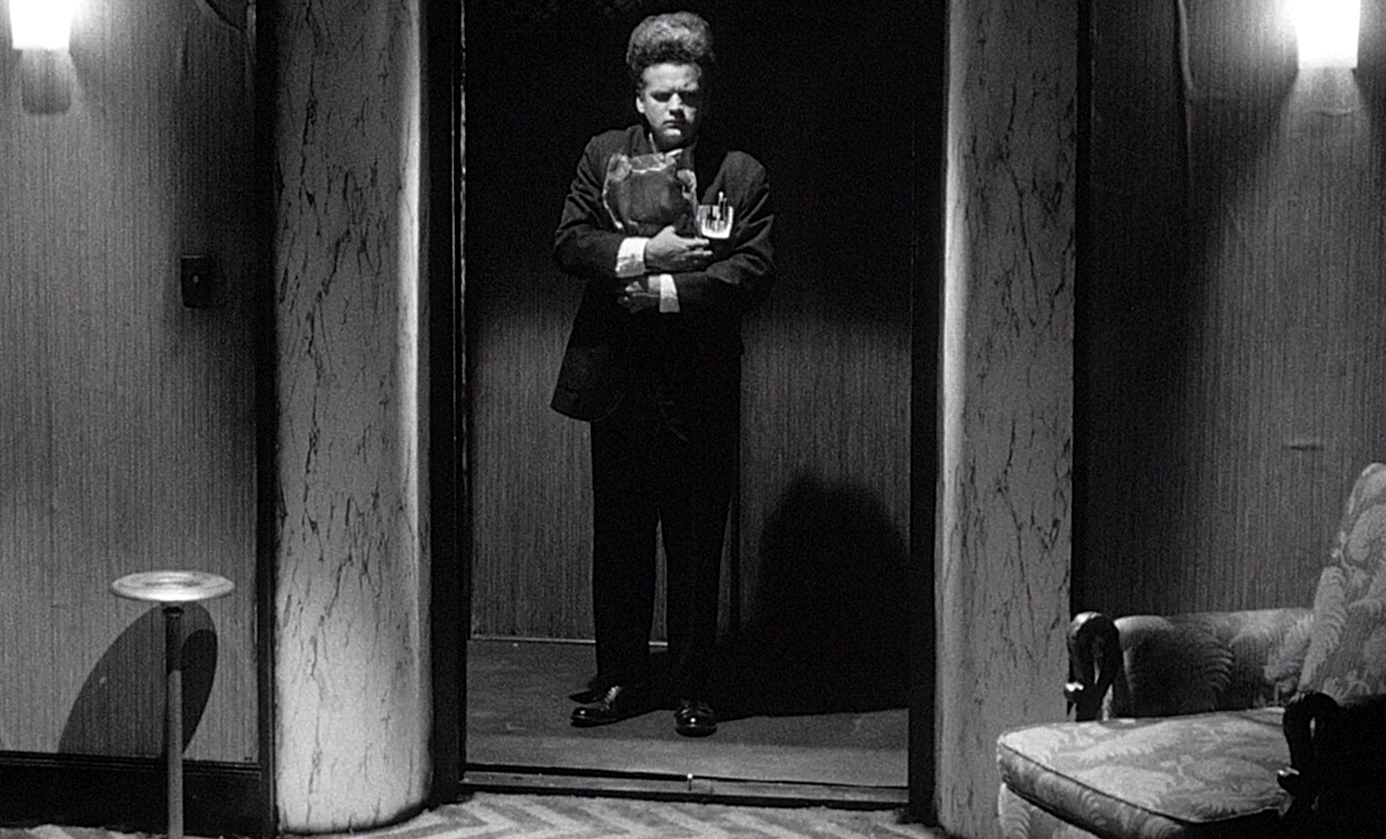
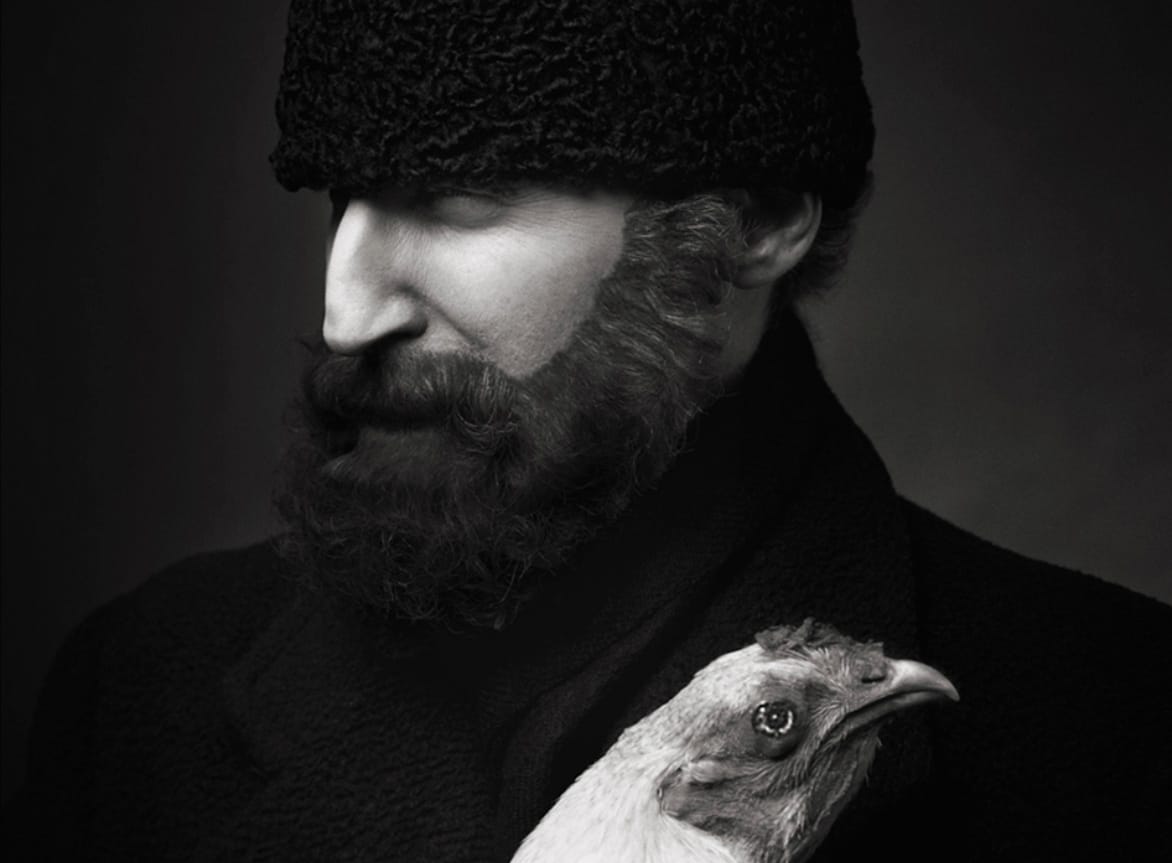
A Berlin exhibition of the beloved filmmaker's paintings and installations testifies to Lynch's 30-year connection with the city, from photographing its derelict urban spaces to an aborted attempt to establish a centre for Transcendental Meditation in Teufelsberg.
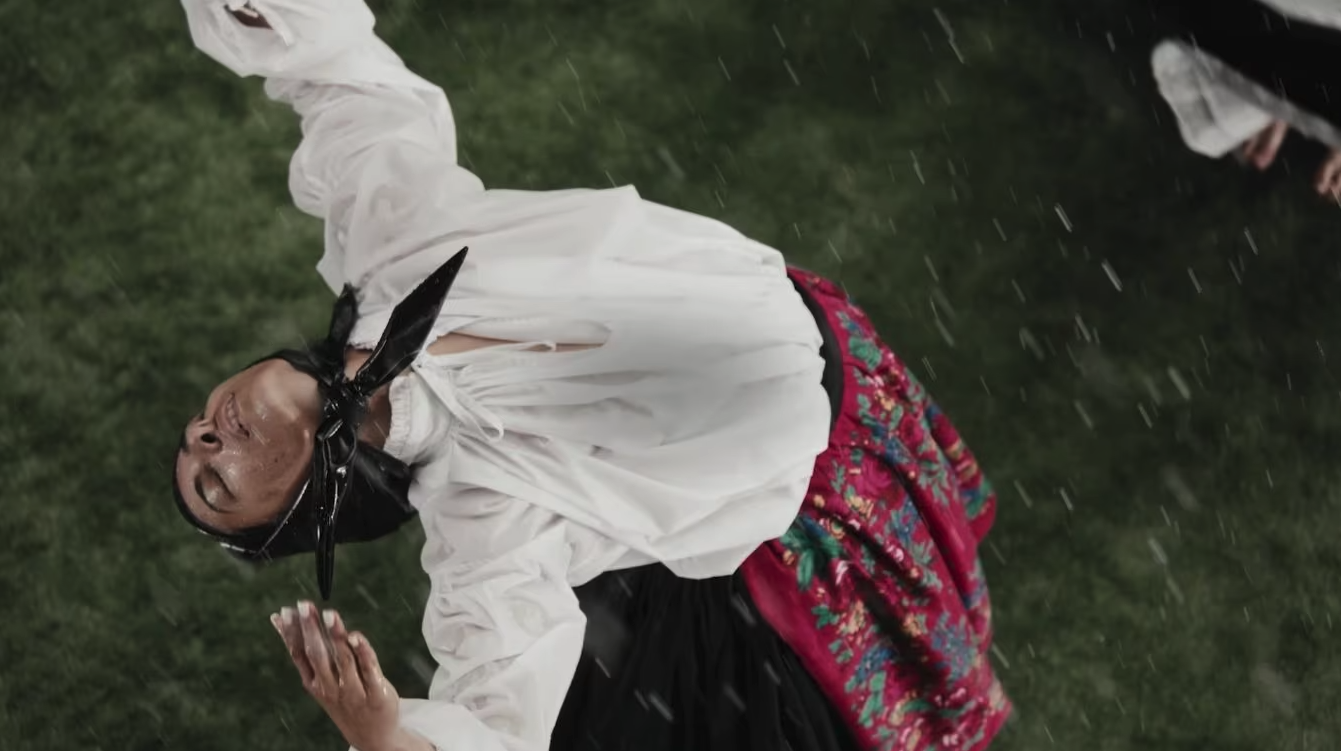
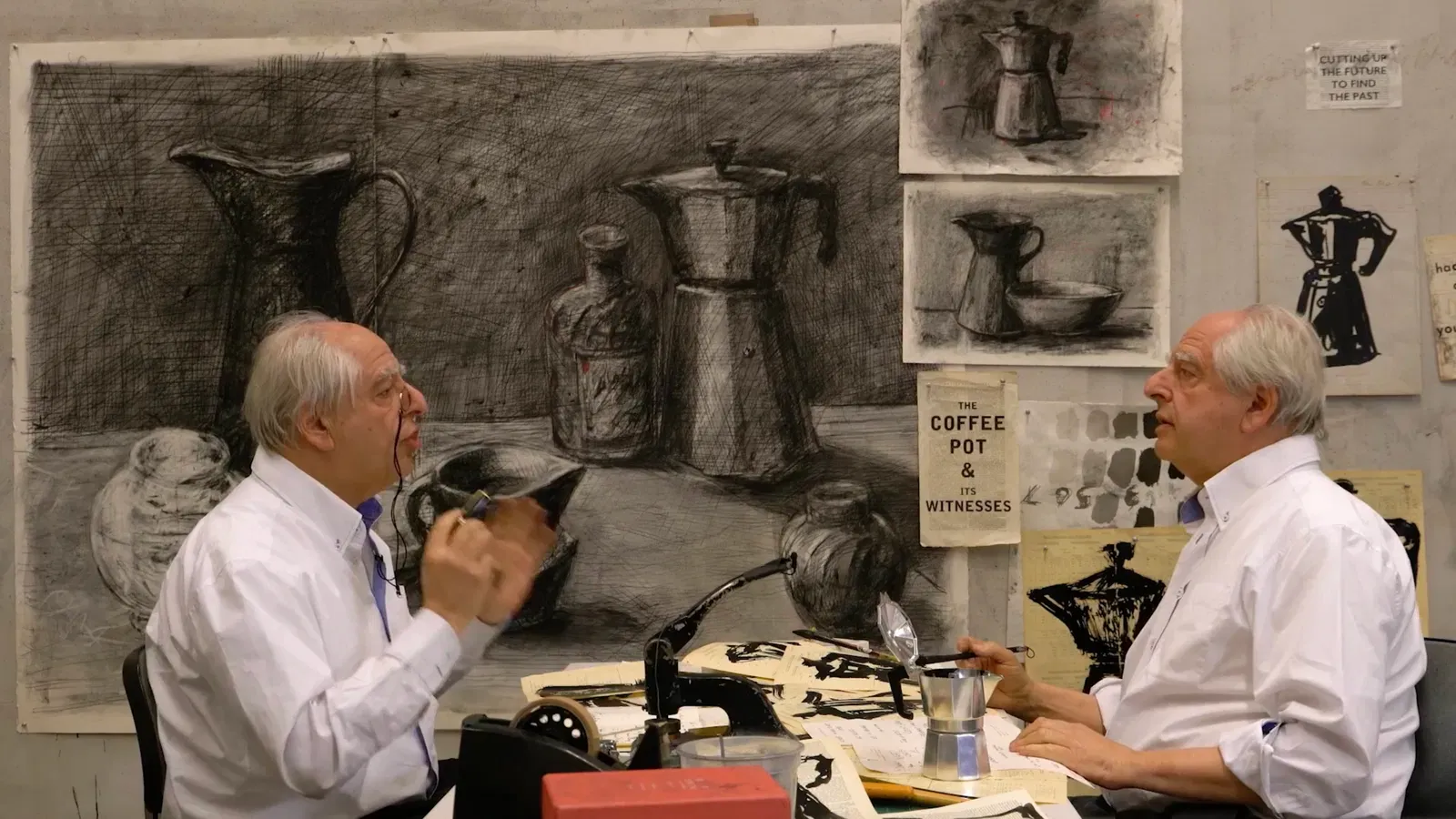
Theatre designer Teresa Przyblski on creating an environment for William Kentridge’s film series Self-Portrait as a Coffee Pot, where immersion begins with restraint.
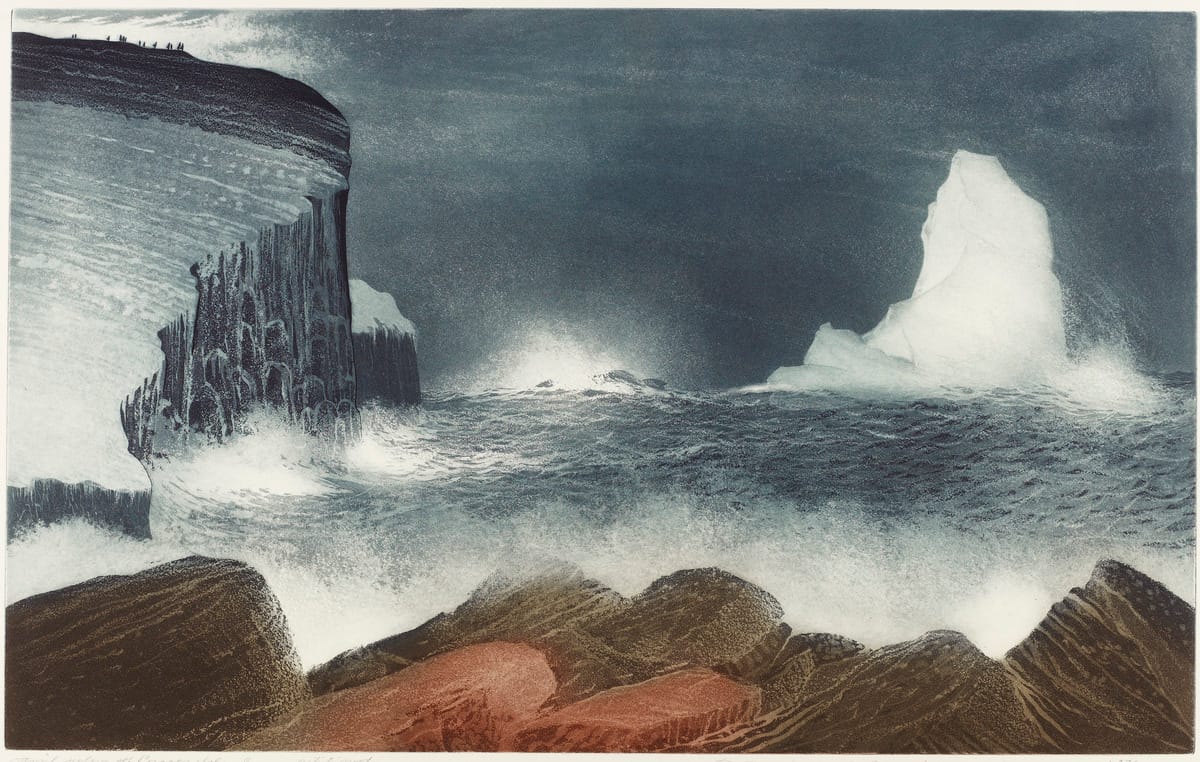
Patrick Pittman on David Blackwood’s lifelong devotion to the stories and storms of Newfoundland—and the fragile work of keeping a place, and its ghosts, from slipping away.
Often blurring the line between documentary and dreamscape, Tracey Snelling’s sculptures, installations, and other works—now showing at Koffler Arts—cast the viewer in the role of voyeur.
In a conversation with Eleanor Wachtel presented by Koffler Arts and the Canadian Opera Company, William Kentridge discusses a career marked by indeterminacy, shadows, and restless energy, where drawing is at the heart of his work.
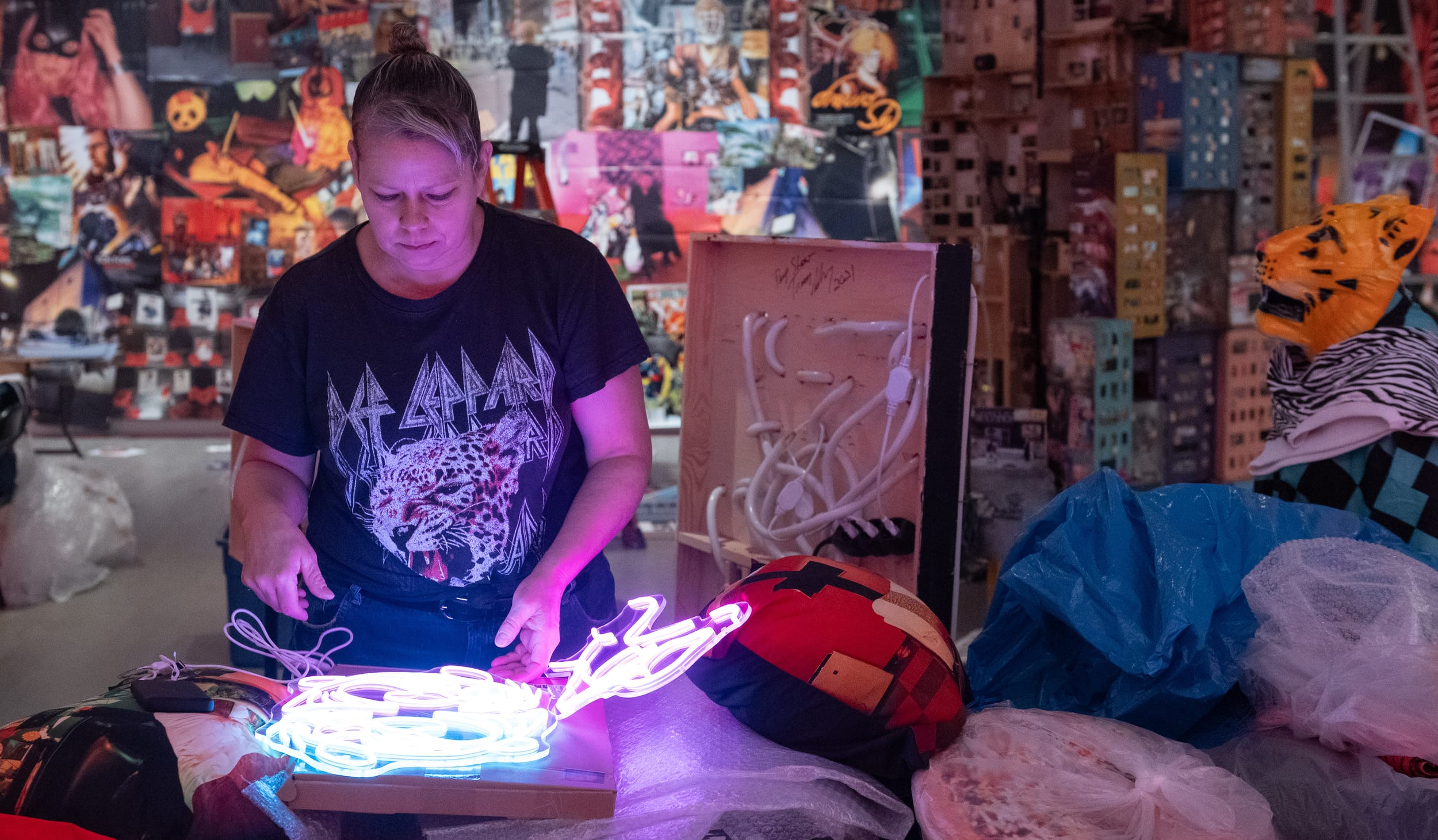
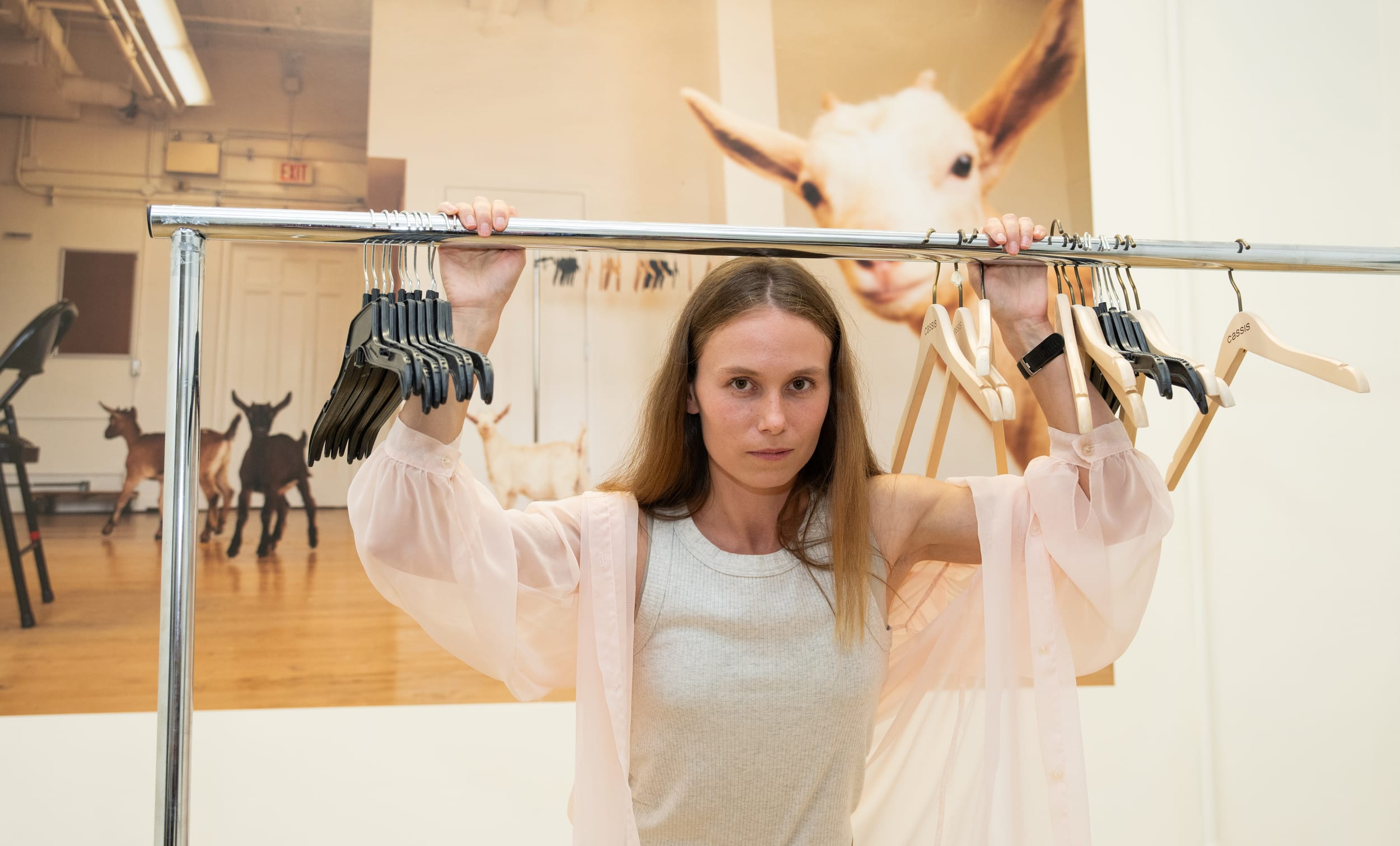
In Koffler301’s inaugural exhibition, Sage Szkabarnicki-Stuart uses goats, pigeons, and plastic bags to strange, slapstick effect, blurring the boundary between the mundane and the magical.
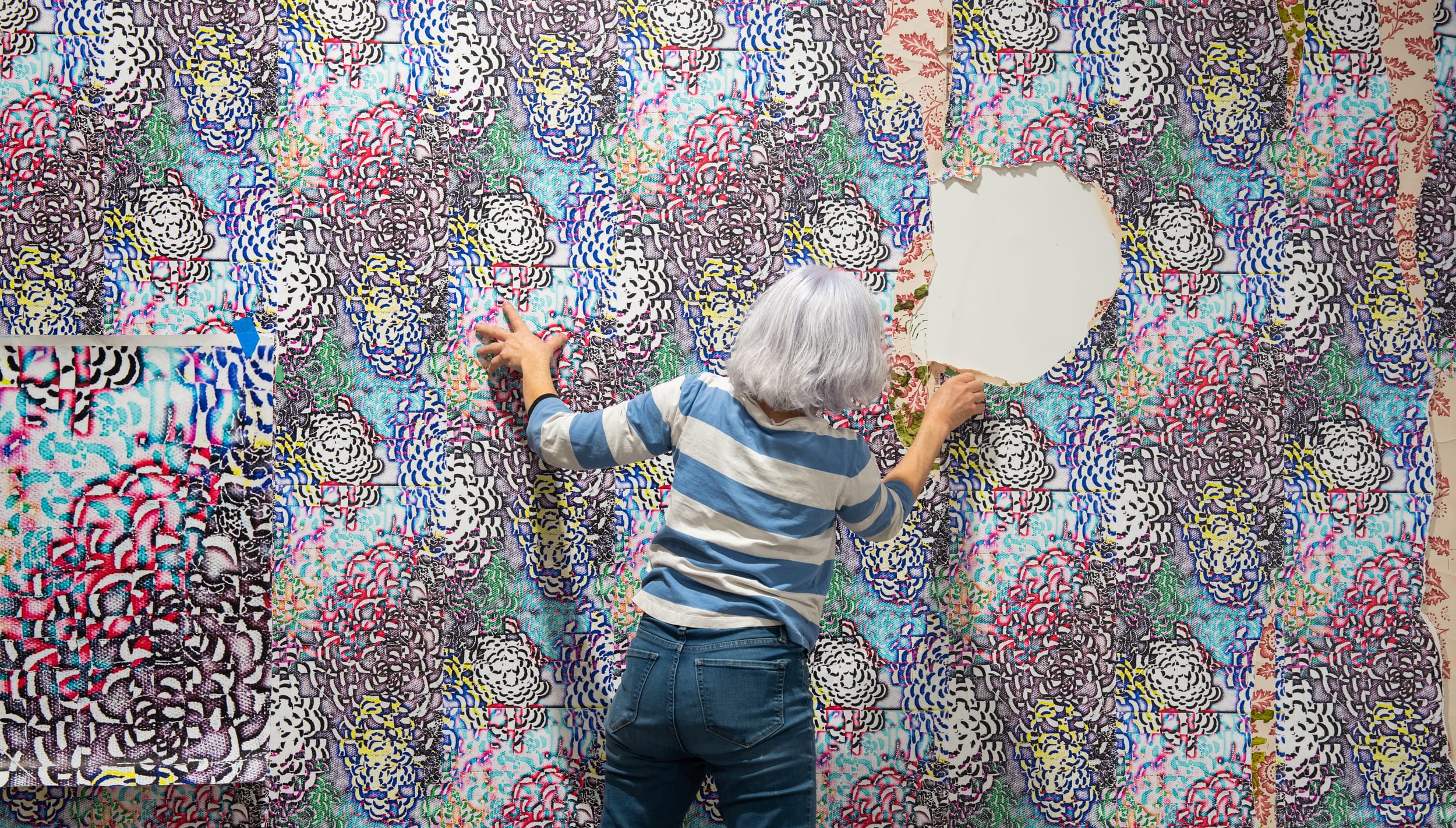
In conjunction with her career retrospective now at Koffler Arts, Elana Herzog speaks with curator and longtime friend Jessica Stockholder about 1970s New York, the misunderstandings of formalism, and the evolution of a practice decades in the making.
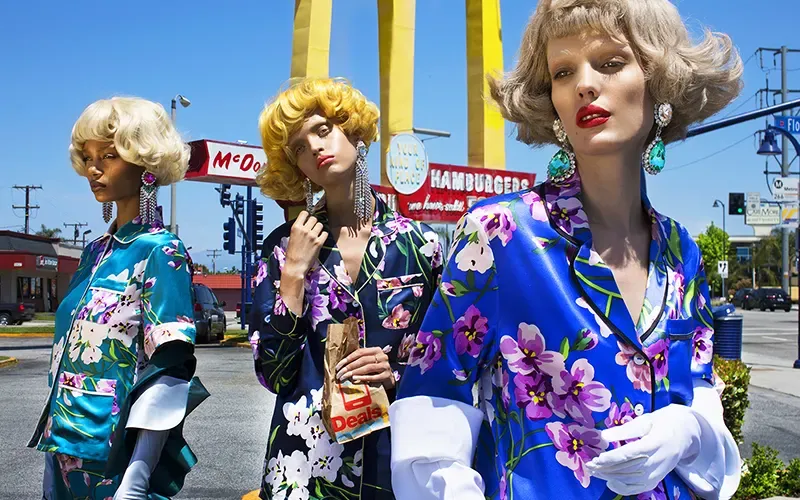
The images of British photographer Nadia Lee Cohen are by now widely recognizable—for their mannered artifice and cosplaying celebrity subjects. But are they saying anything more than "Look at me"?
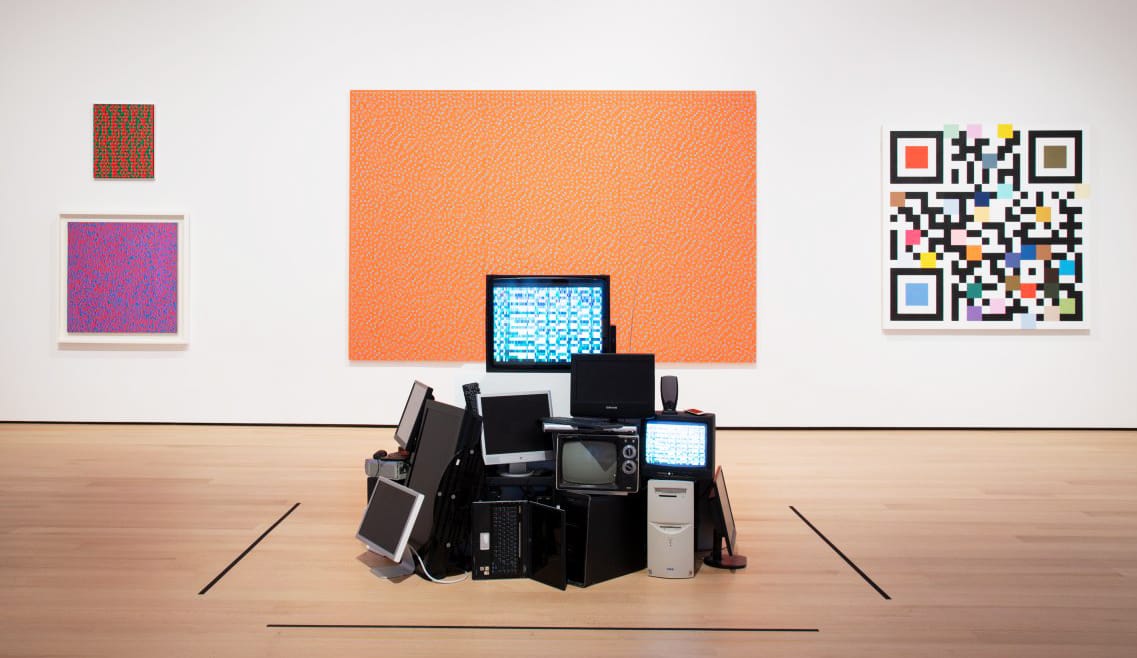
The survey exhibition Electric Op, now at the Buffalo AKG, reconsiders the short-lived and oft-derided Op art movement within a sixty-year trajectory of digital and new media art making.
Another DECADE, the multi-artist show now on at Koffler Arts, shifts the spotlight onto the many arts organizations that call the Youngplace hub on Shaw Street home.
Jonathan Garfinkel explores a new exhibition that attempts the sticky, contradiction-laden, and perhaps impossible task of figuring what sex means in a Jewish context, from the Mishnah to Dr. Ruth and beyond.
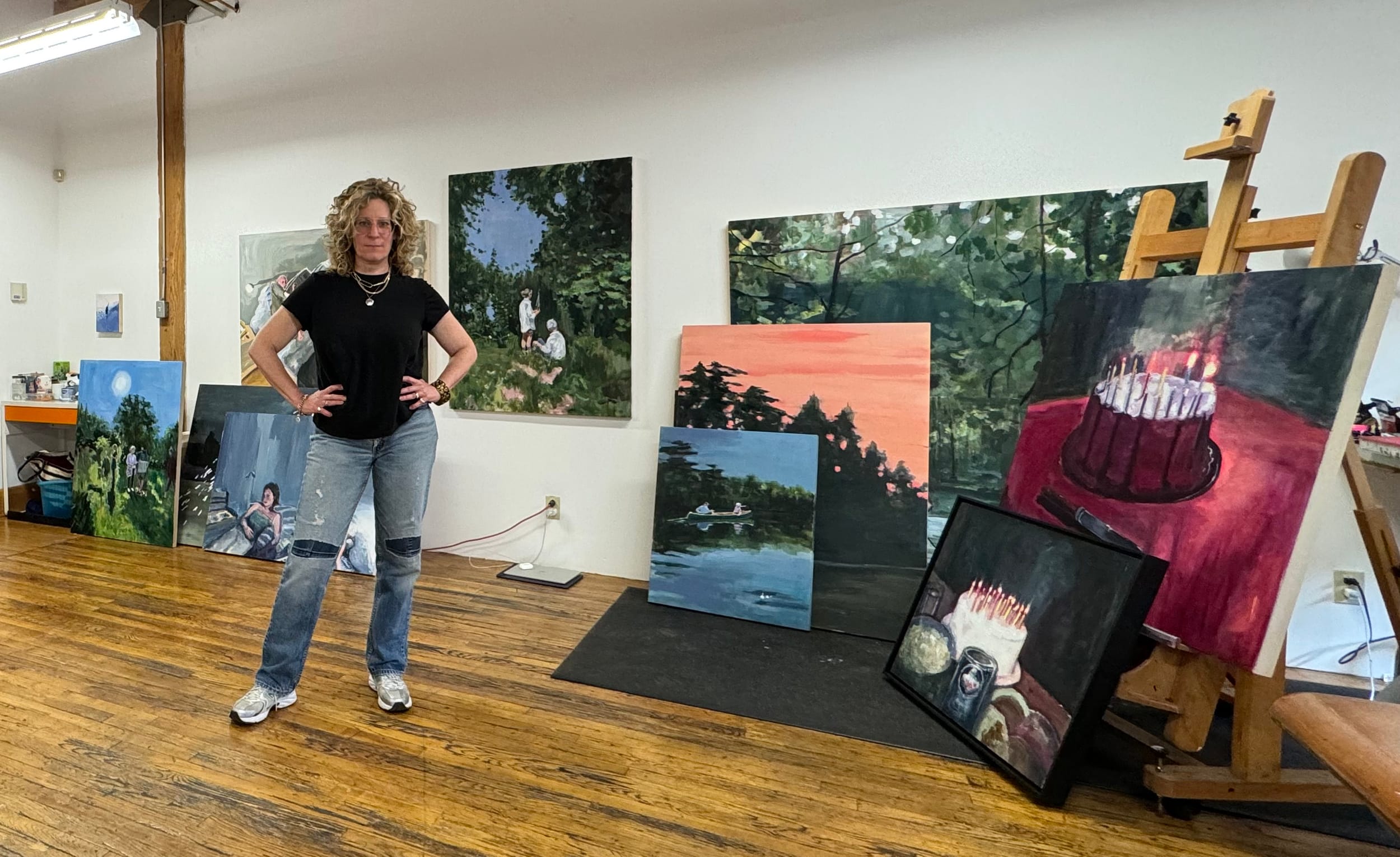
Arcade speaks with Toronto artist Nancy Friedland on what drove her mid-career transition from conceptual photography to painting, and how the anticipation of grief lay at the heart of much of her work.
While trying to work on a book about illness on a residency near the former POW camp of Stalag-17B, Jonathan Garfinkel is drawn into friendship and dark contemplation with the Australian transdisciplinary artist Ian Strange
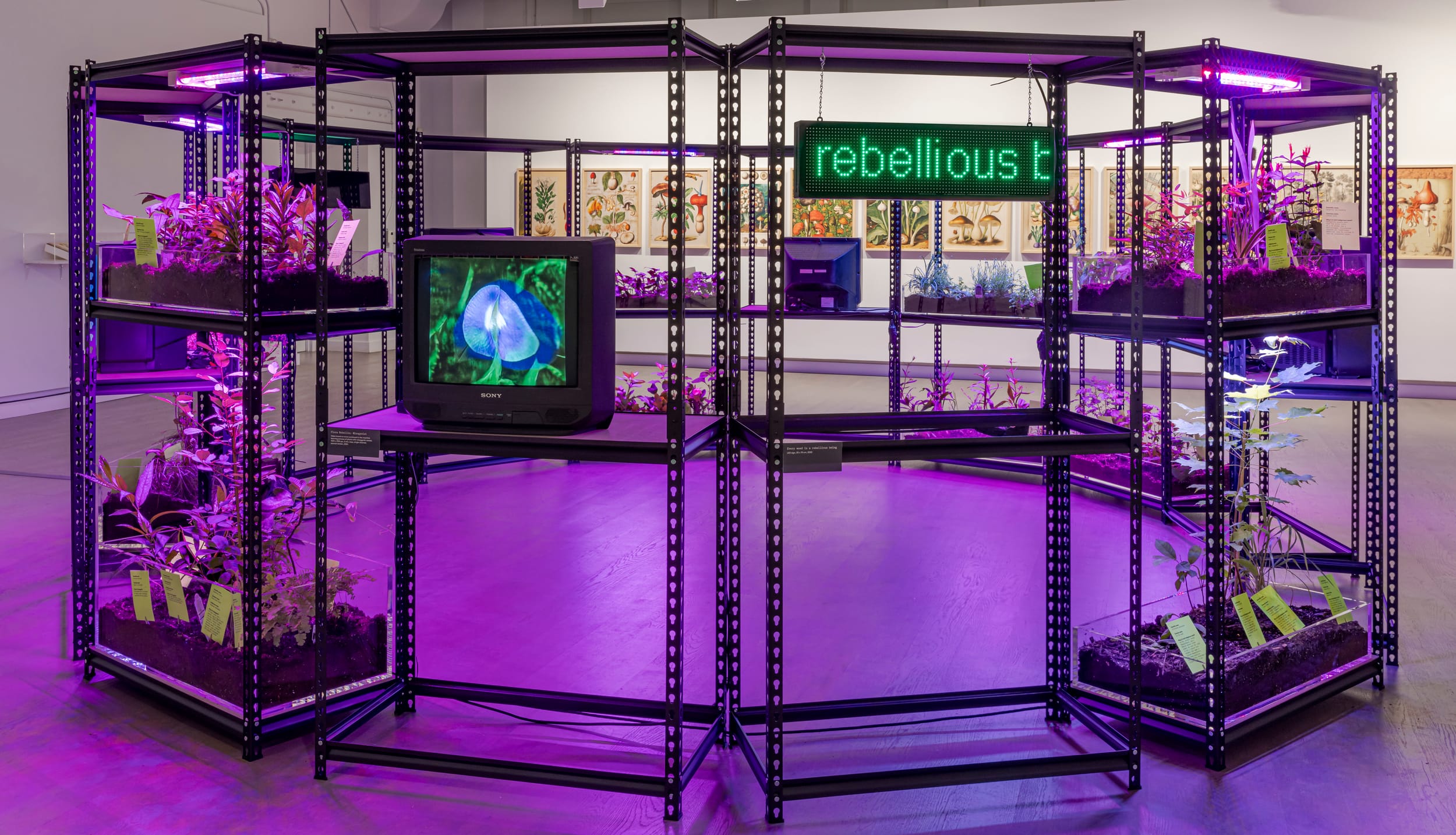
A conversation with Brazilian artist Giselle Beiguelman about her exhibition Botannica Tirannica—now showing at Koffler Arts—and understanding the colonial imagination.
Does a dream house imply a dream self? Linda Besner, hunting for a home, considers how the photography used in listings serves as a malleable, market-driven form of portraiture.
An excerpt from a recent lecture at Koffler Arts by historian and artist Natalia Romik on the hiding places Jews in Poland and Ukraine created during the Holocaust.
Fresh off of winning a Governor General’s Award in Visual and Media Arts, Barbara Astman looks back at the materials and methods behind her two works included in Koffler Arts' recent group show DECADE.
Experimental filmmaker Midi Onodera talks with Arcade about her early adoption and explorations of new technologies, how art making in Toronto has changed, and what the glut of media images might be doing to us.
The work of photographer of Vid Ingelevics, currently showing in the group show DECADE at Koffler Arts, documents moments of civic transformation with surprising intimacy.
Evan Nicole Brown reflects on the interruptions to the natural world at the heart of Wanda Koop’s current solo exhibition in Los Angeles, Objects of Interest.
As the dwindling number of spaces vital to Toronto's working artists continue to struggle or turn to rubble, Josh Greenblatt investigates the multi-fronted policy response it will take to enable artists to thrive as more than a civic afterthought.
A preview of the upcoming exhibition DECADE, opening in February, which celebrates ten years of art making at Artscape's hub on Shaw Street in Toronto.
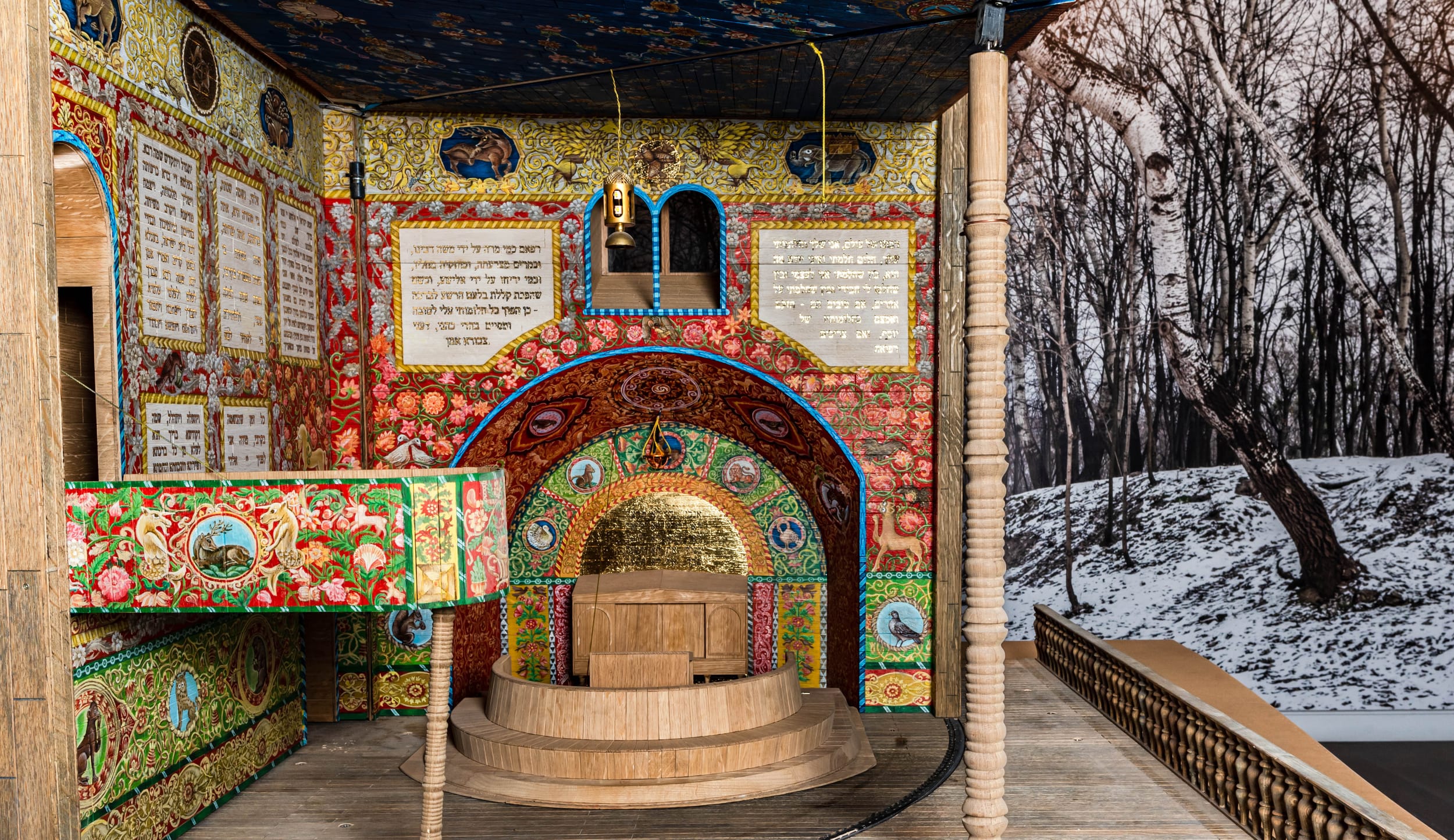
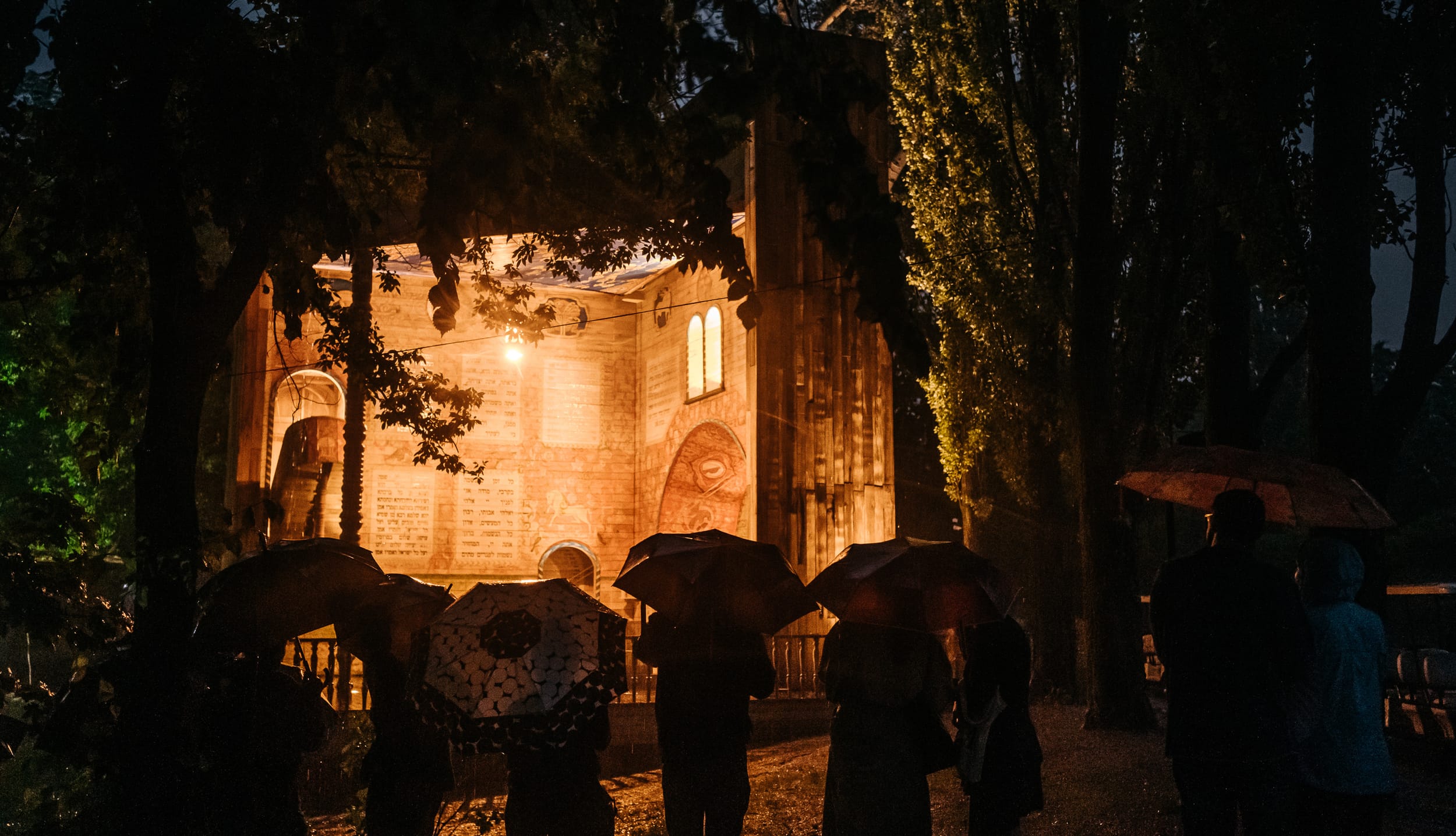
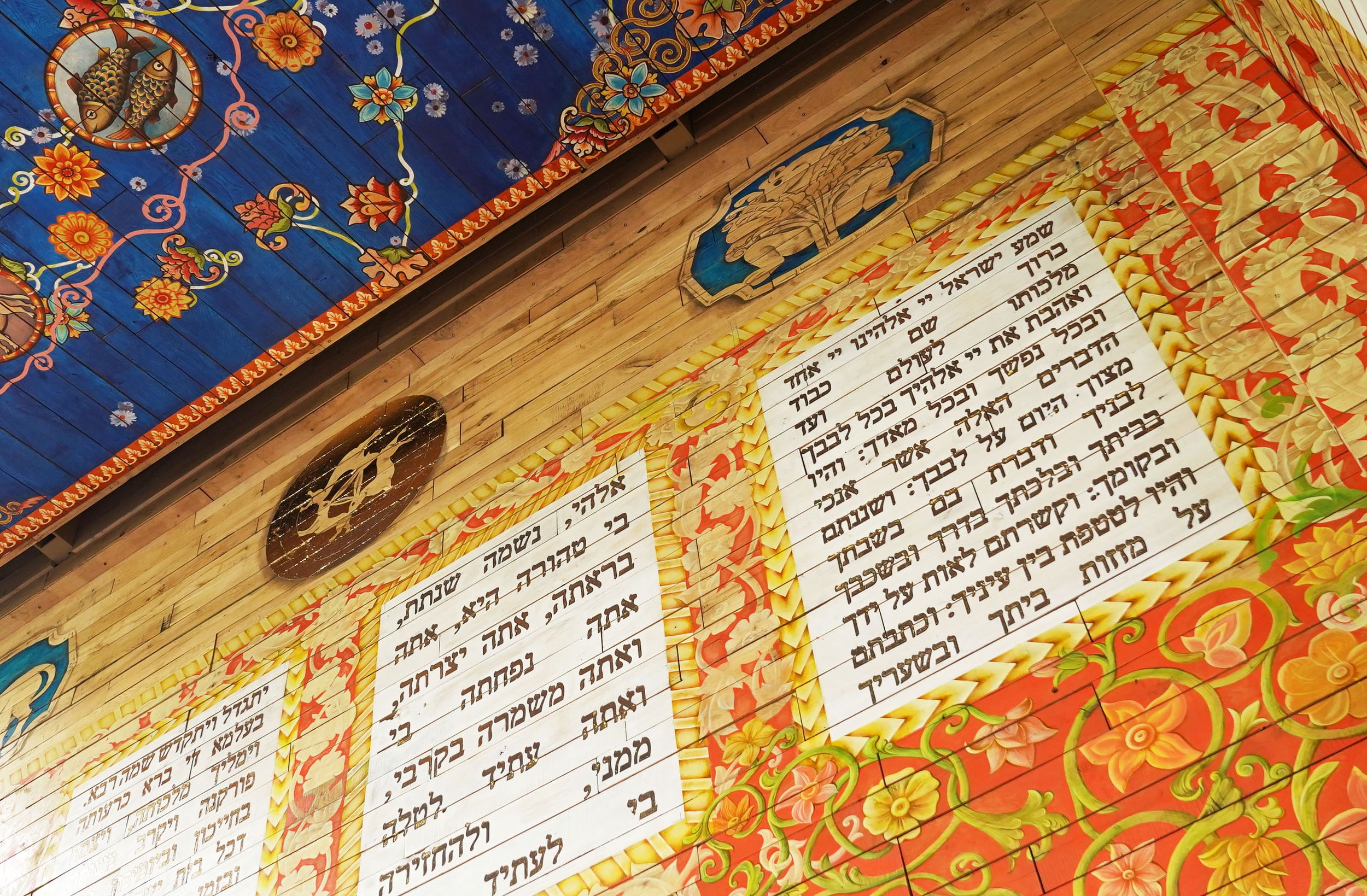
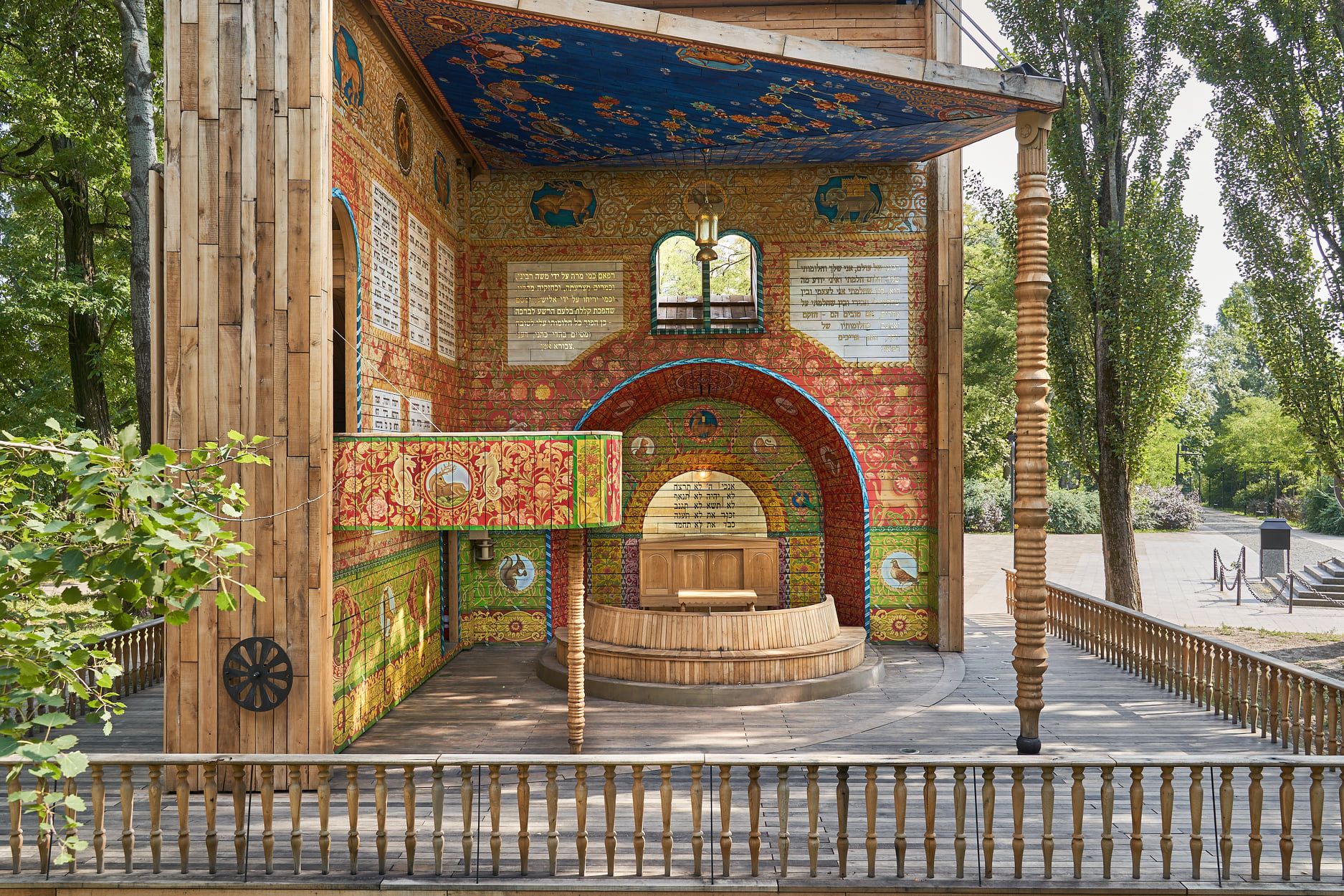
“The Synagogue at Babyn Yar: Turning the Nightmare of Evil into a Shared Dream of Good” is as much an exhibition about how to memorialize a traumatic, genocidal event as it is about the synagogue itself. To mark the end of its run at Koffler, we look back at how this unique show came together.
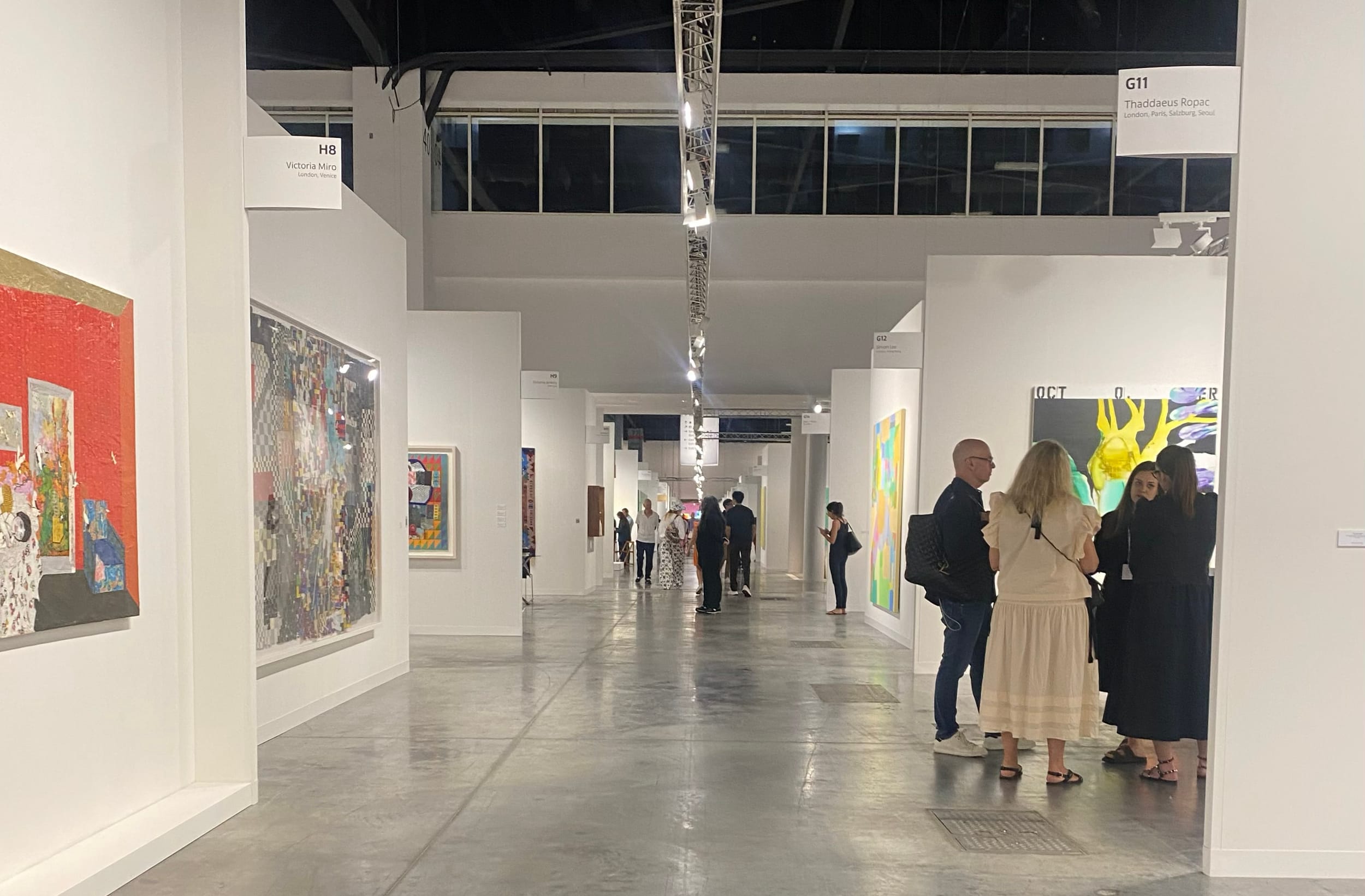
The art world still likes to maintain the pretense that art and commerce are somehow separate—except at fairs, where the architecture embraces the vulgar truth.
From his talk at the Koffler Gallery, visual artist Rafael Goldchain on his photographic series I Am My Family and how its approach to simulation as a means of commemoration represents a “double gesture towards the past”—an attempt to both recuperate and interrogate history.
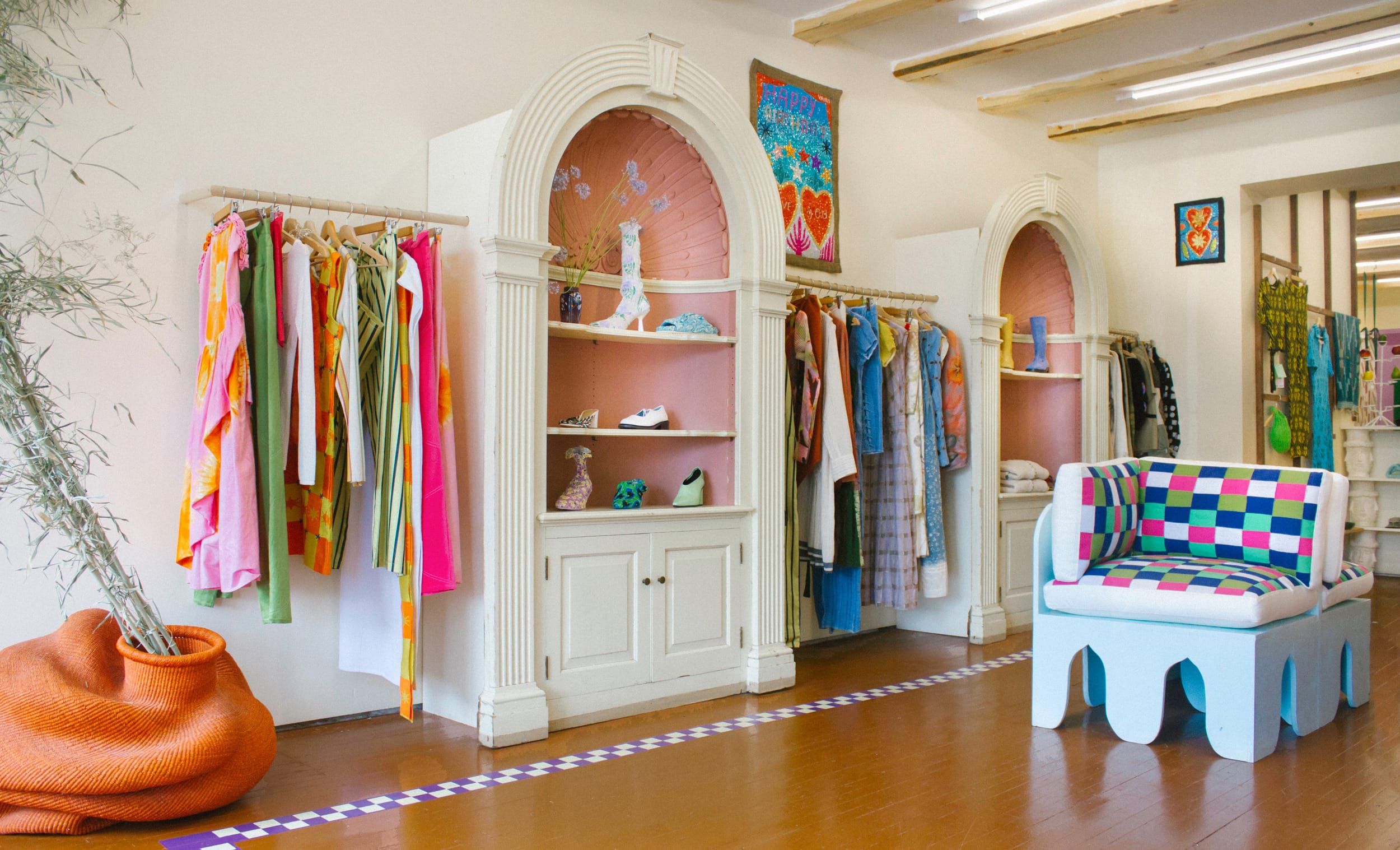
From its origins as a pop-up shop in 2018, 100% Silk has quickly grown into a beloved fixture of the Toronto clothing scene for its obsessive attention to textures and a style that marries sustainability with avant-garde luxury.
Commentary from the concluding panel discussion at the half-day symposium “Babyn Yar, the Holocaust and Beyond: Architectures of Memory”, organized by Koffler Arts.
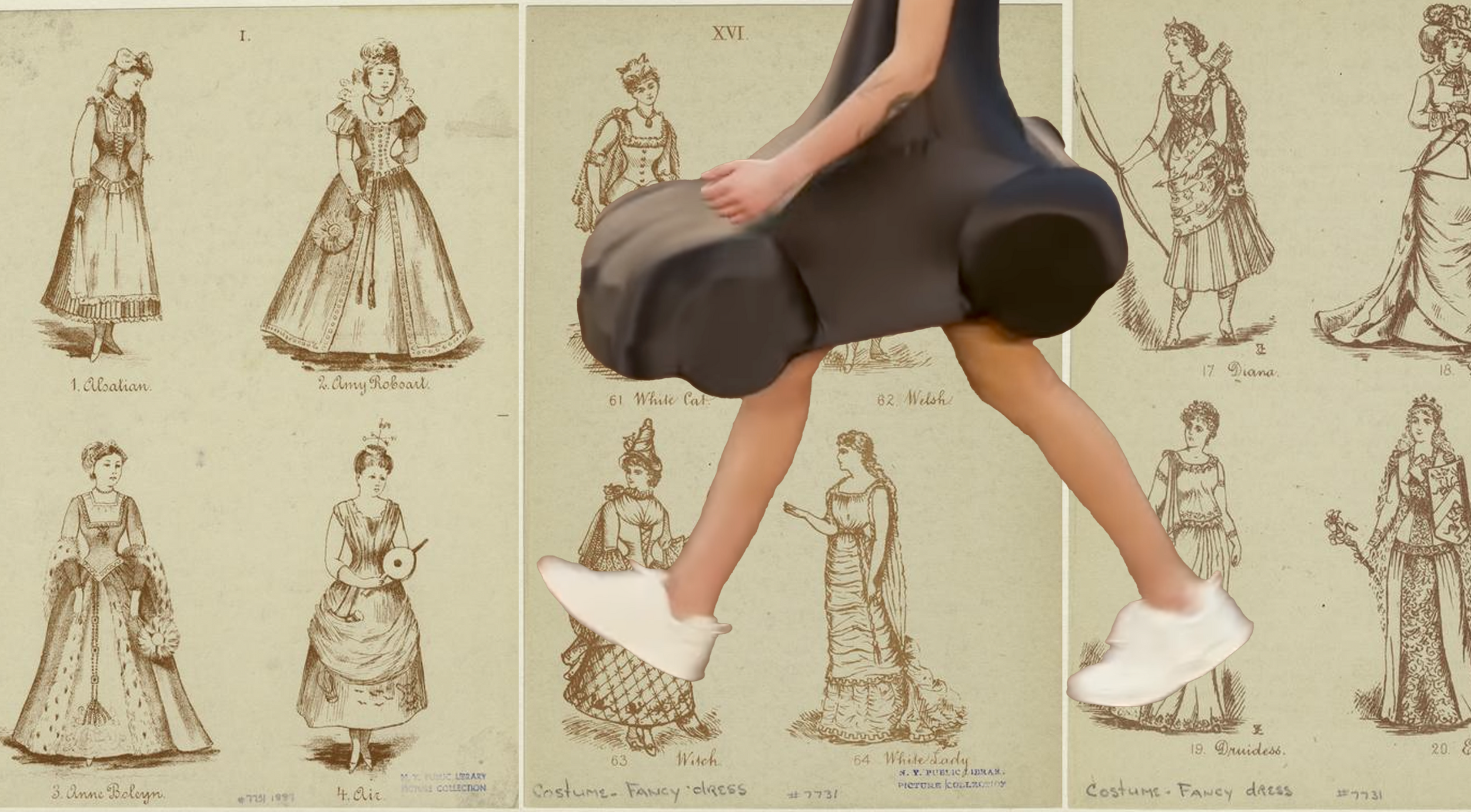
We like to believe that the clothes we wear say something about us. To understand what they actually convey, we must ask a fundamental question—what’s the difference between a costume and an outfit?
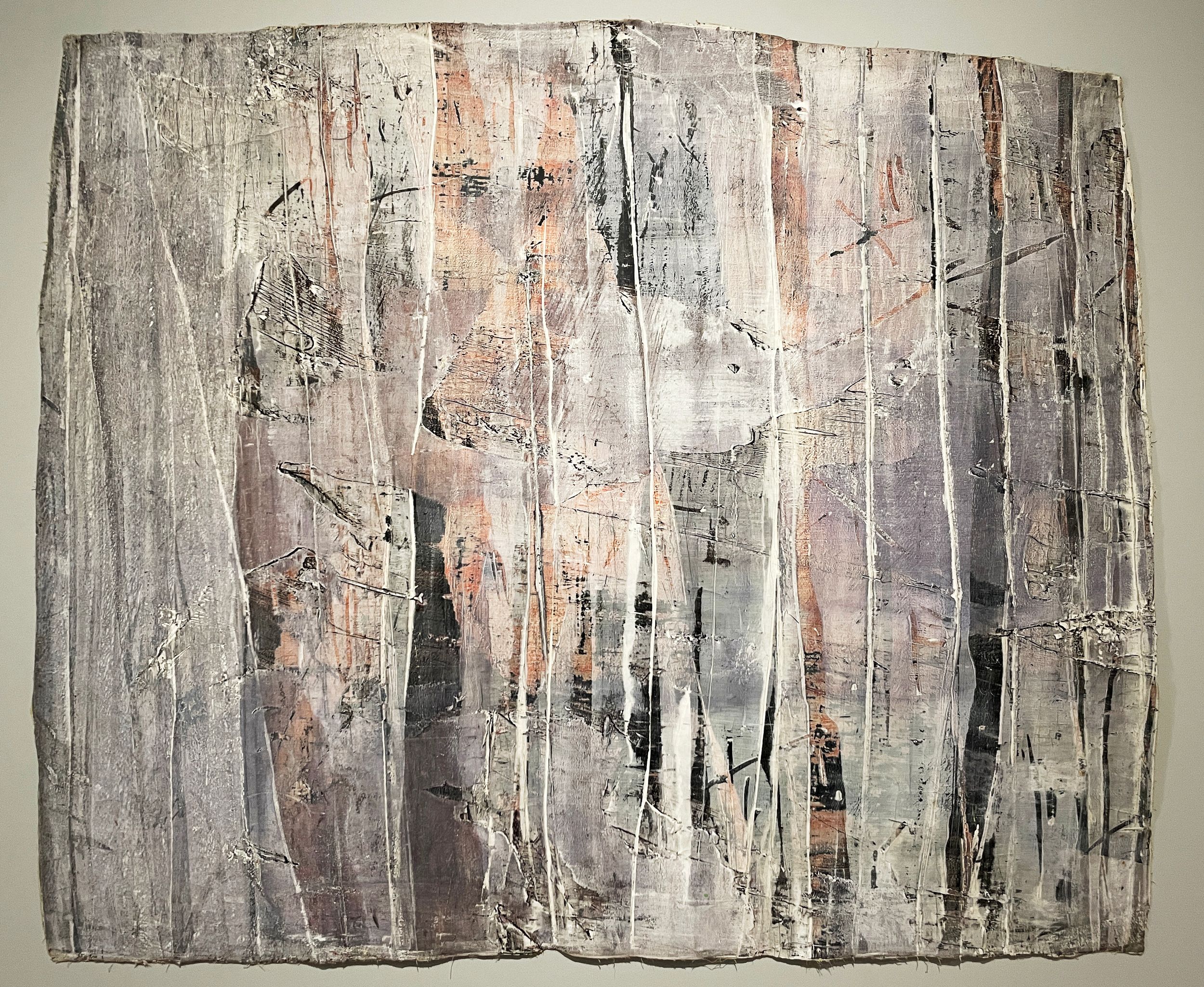
In our first instalment of “Stopped in My Tracks”, a new series in which a contributor reflects on a life-altering encounter with an artwork, Carly Lewis discovers a sense of regeneration in Judit Reigl’s Guano.
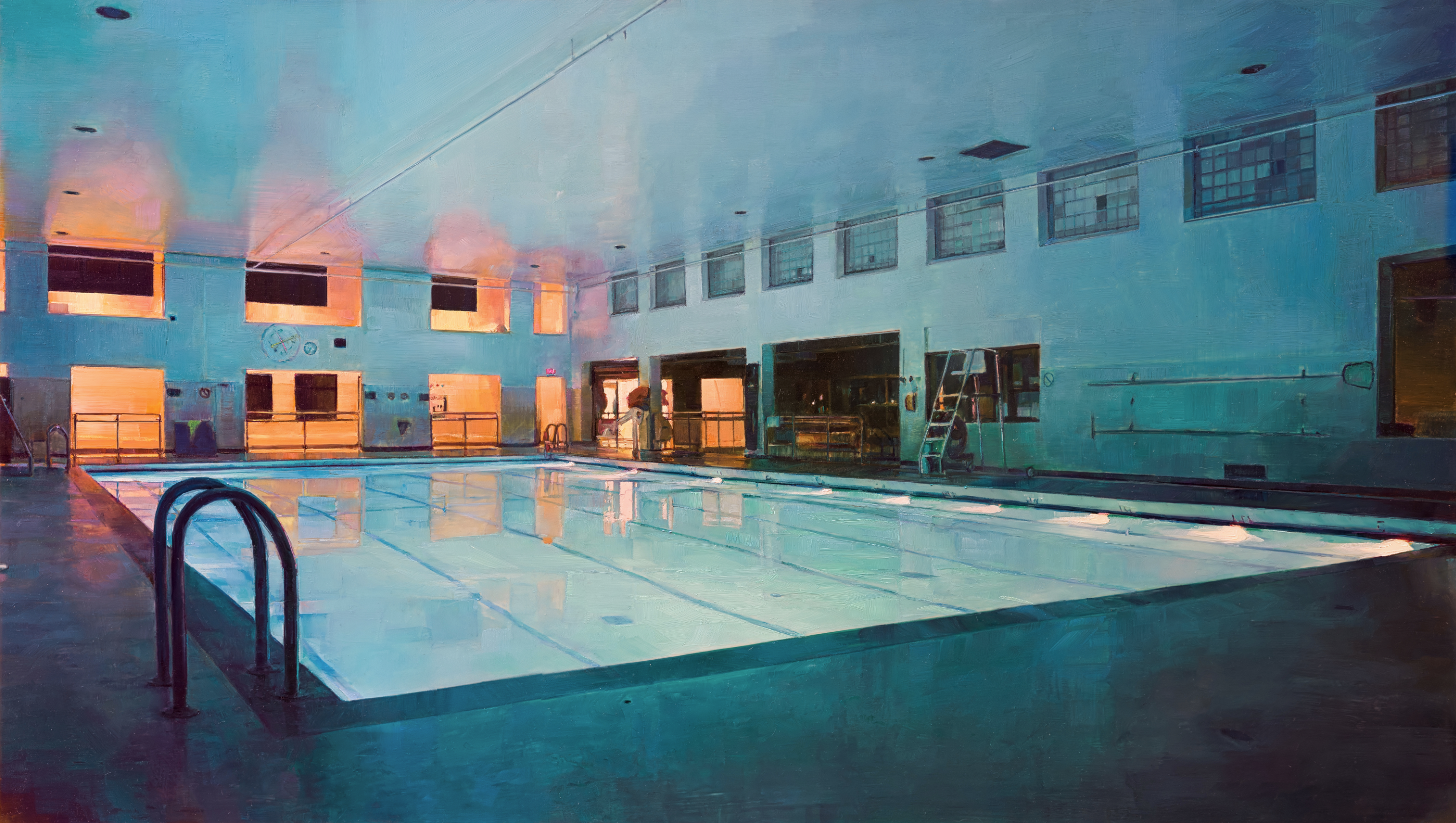
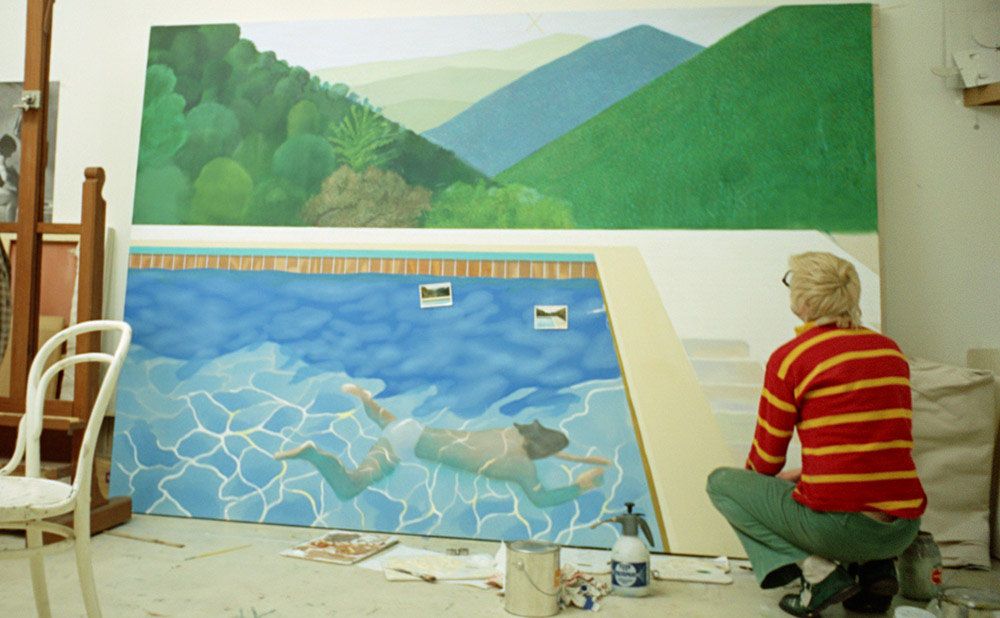
At the intersection of the public and private, the clothed and unclothed, the swimming pool has long been a favoured motif among artists and writers. But as fall settles in, what about the months when it's closed? Who are the artists of the drained pool?
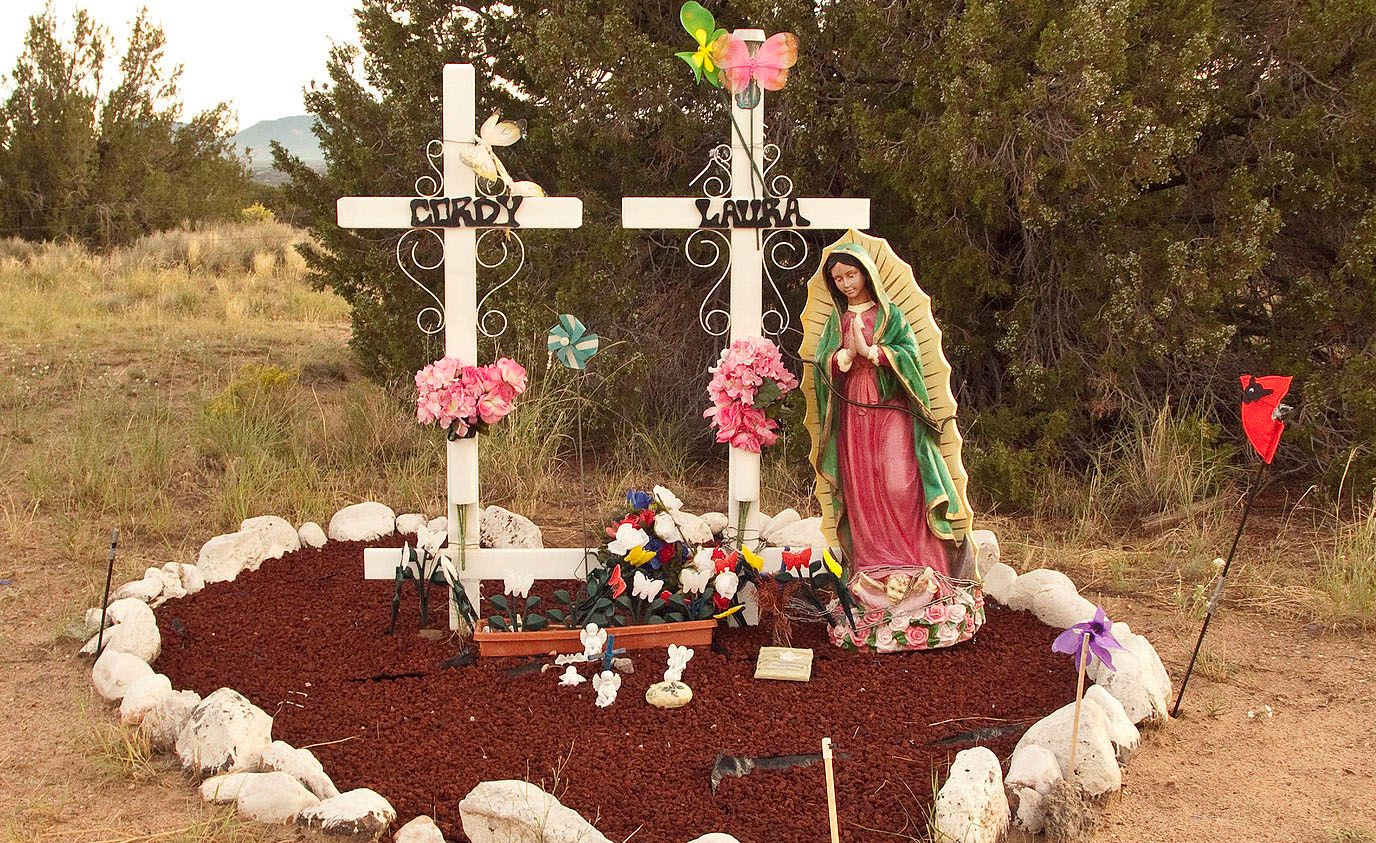
An interview with Oleksiy Makukhin, CEO of the Babyn Yar Holocaust Memorial Center, on how Russia's invasion of Ukraine has disrupted the centre's activities and forced it to question its approach to memorialization.
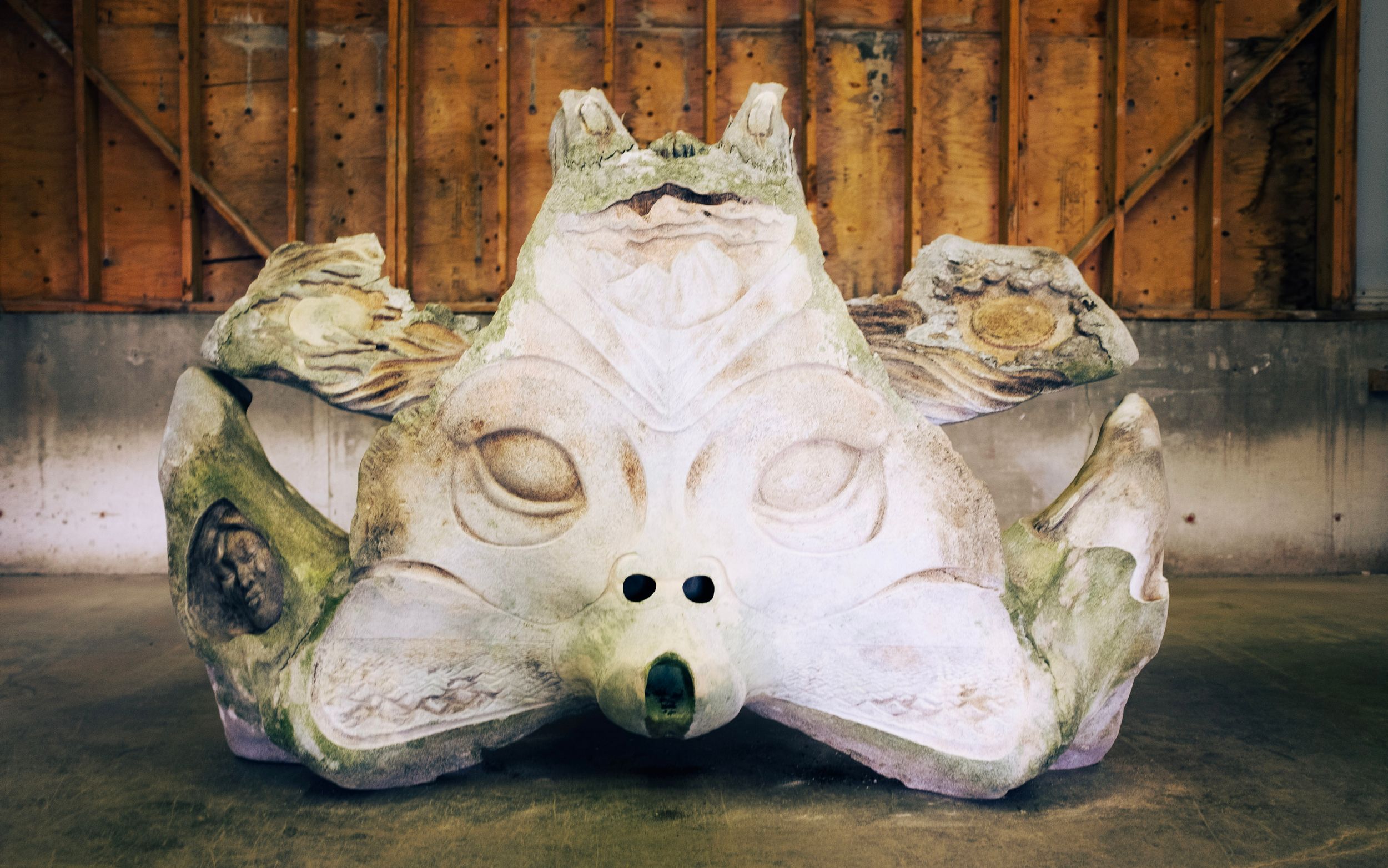
The fourth Bonavista Biennale in Newfoundland was an exploration of meeting points, of the communal but sometimes parasitic energy that sparks when one place becomes home to another.
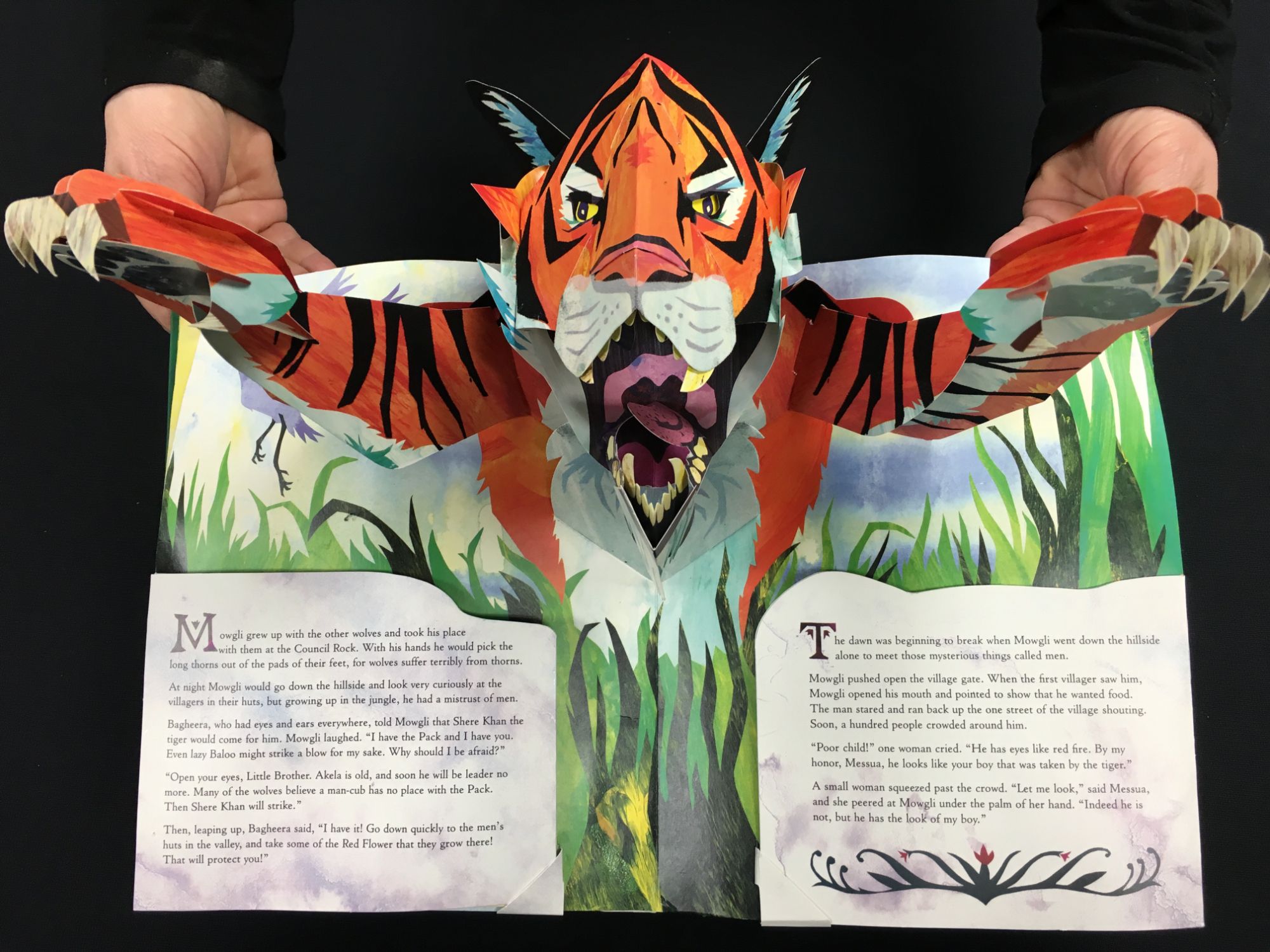
From anatomical and astronomical texts to harlequinades and Buck Rogers—book collector Larry Rakow on how a 14th-century invention became a staple of childhood.
Manuel Herz, the Basel-based architect behind a new synagogue on the site of the Babyn Yar massacre, challenges prevailing notions of memorialization in architecture.