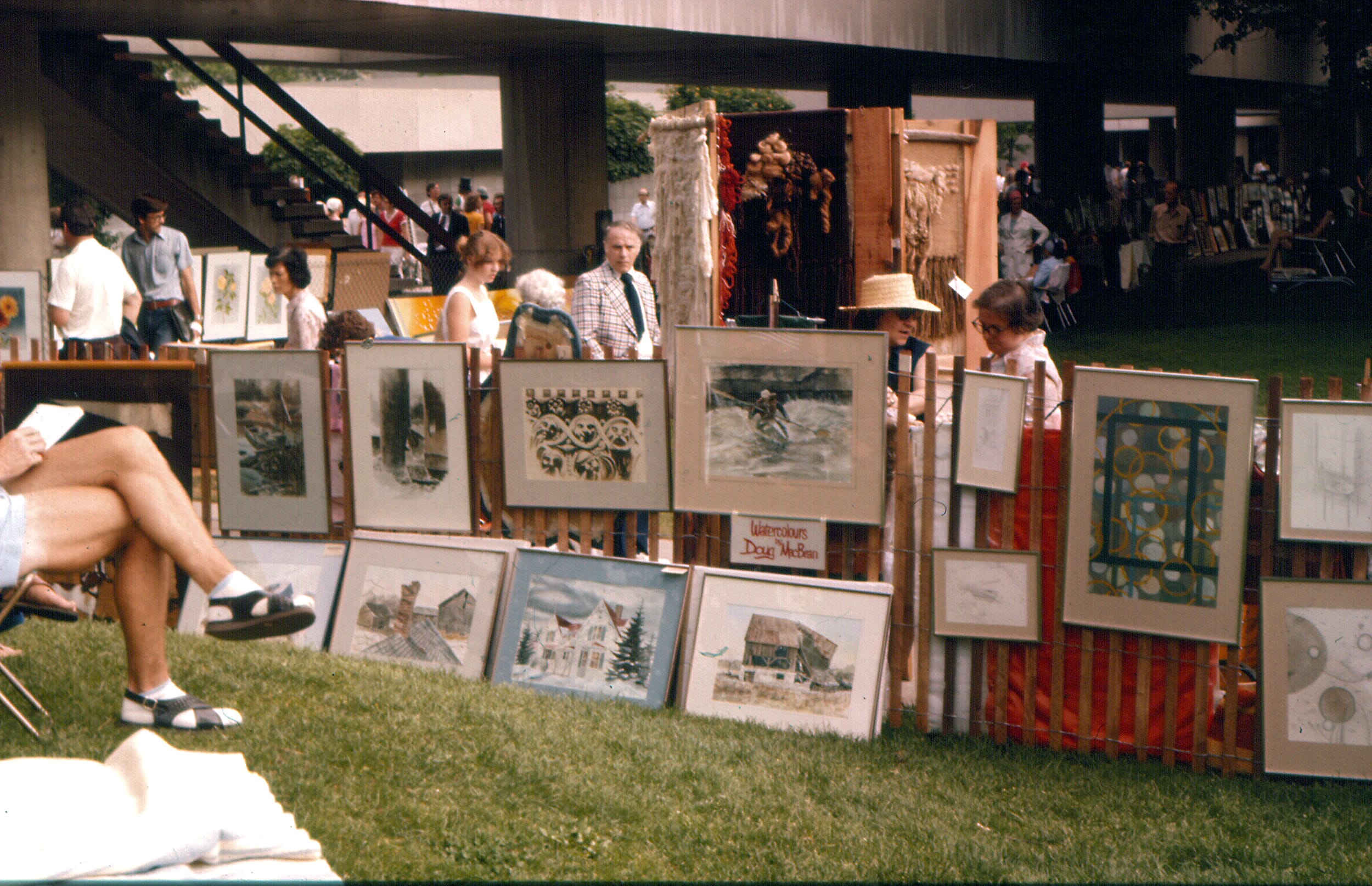
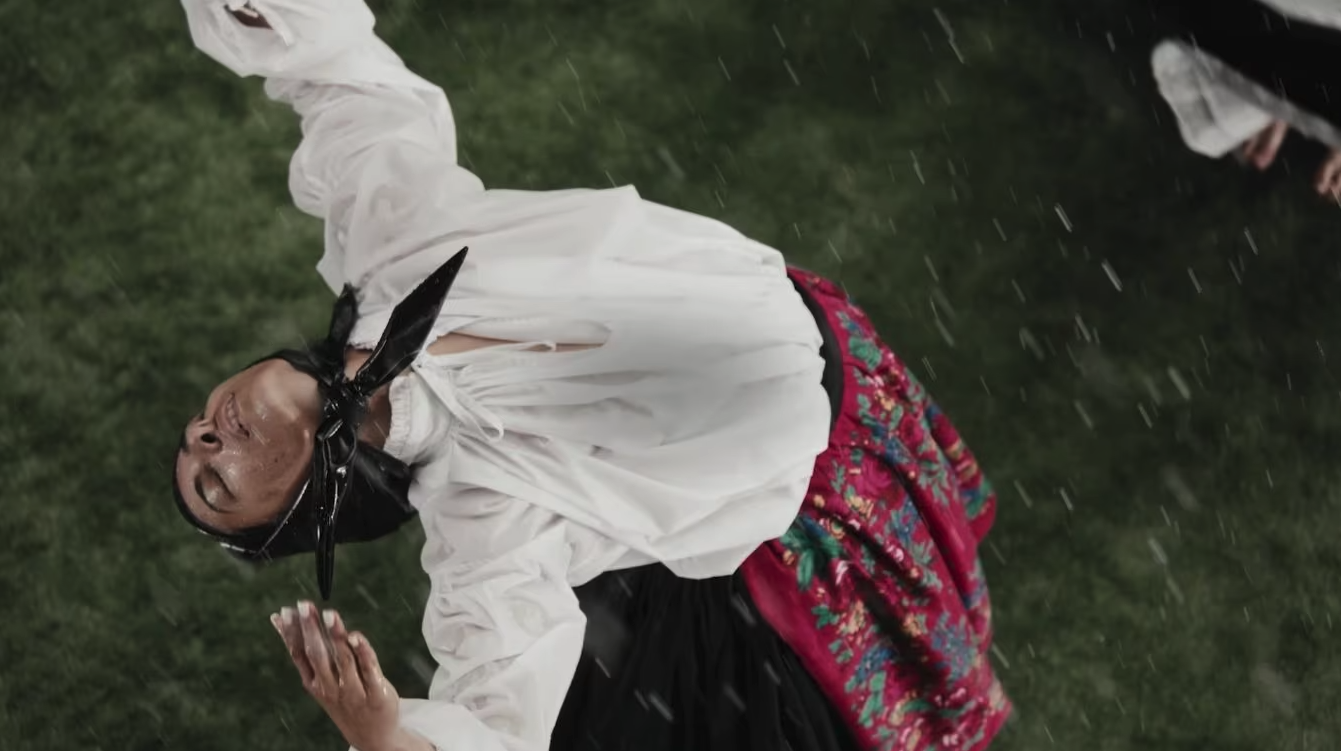
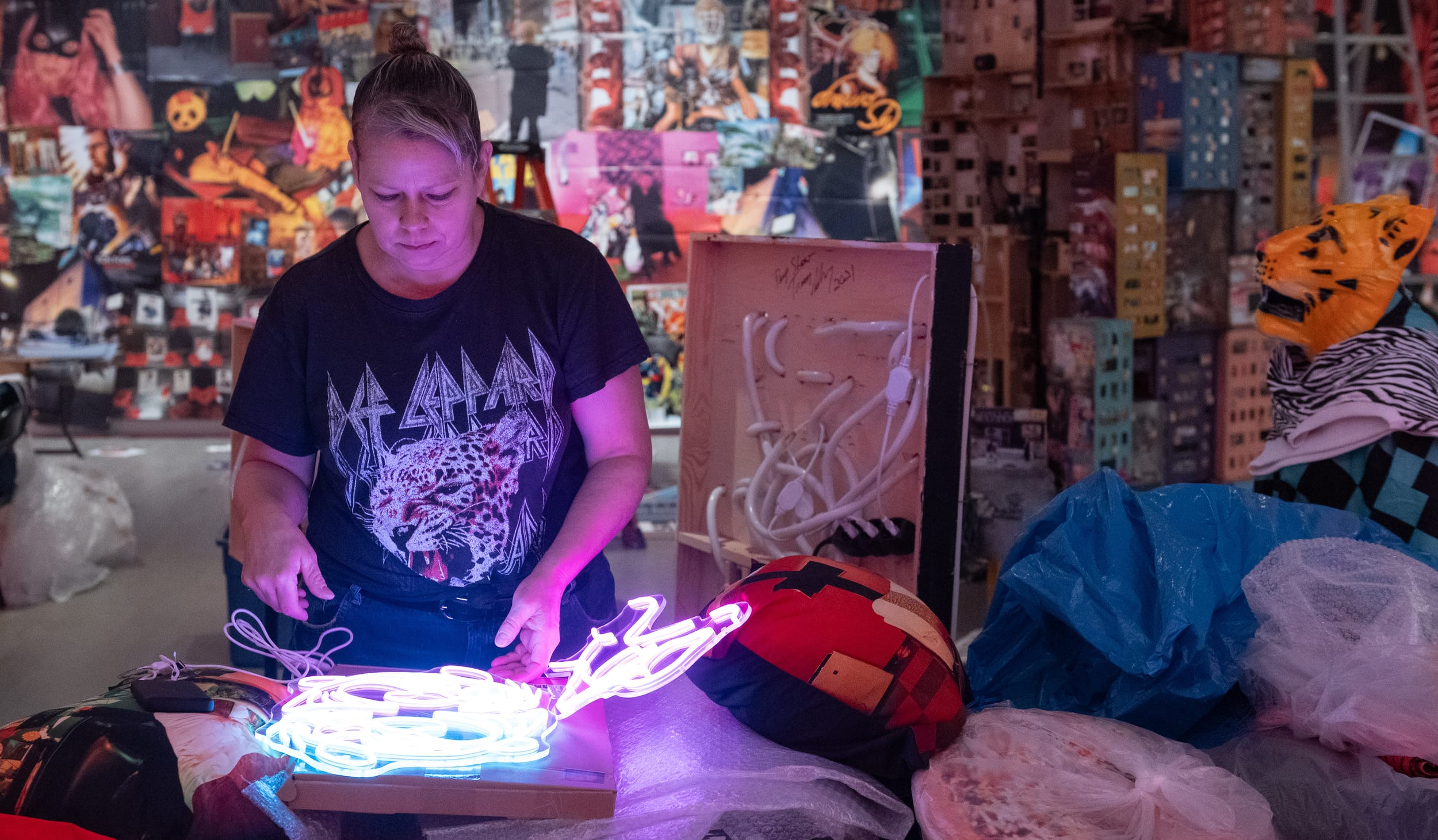
From rave buses to Art Nest, Nathan Phillips Square is where Toronto has always gathered. Josh Greenblatt on sixty-five years of the Toronto Outdoor Art Fair and its founding idea that art is for everyone.
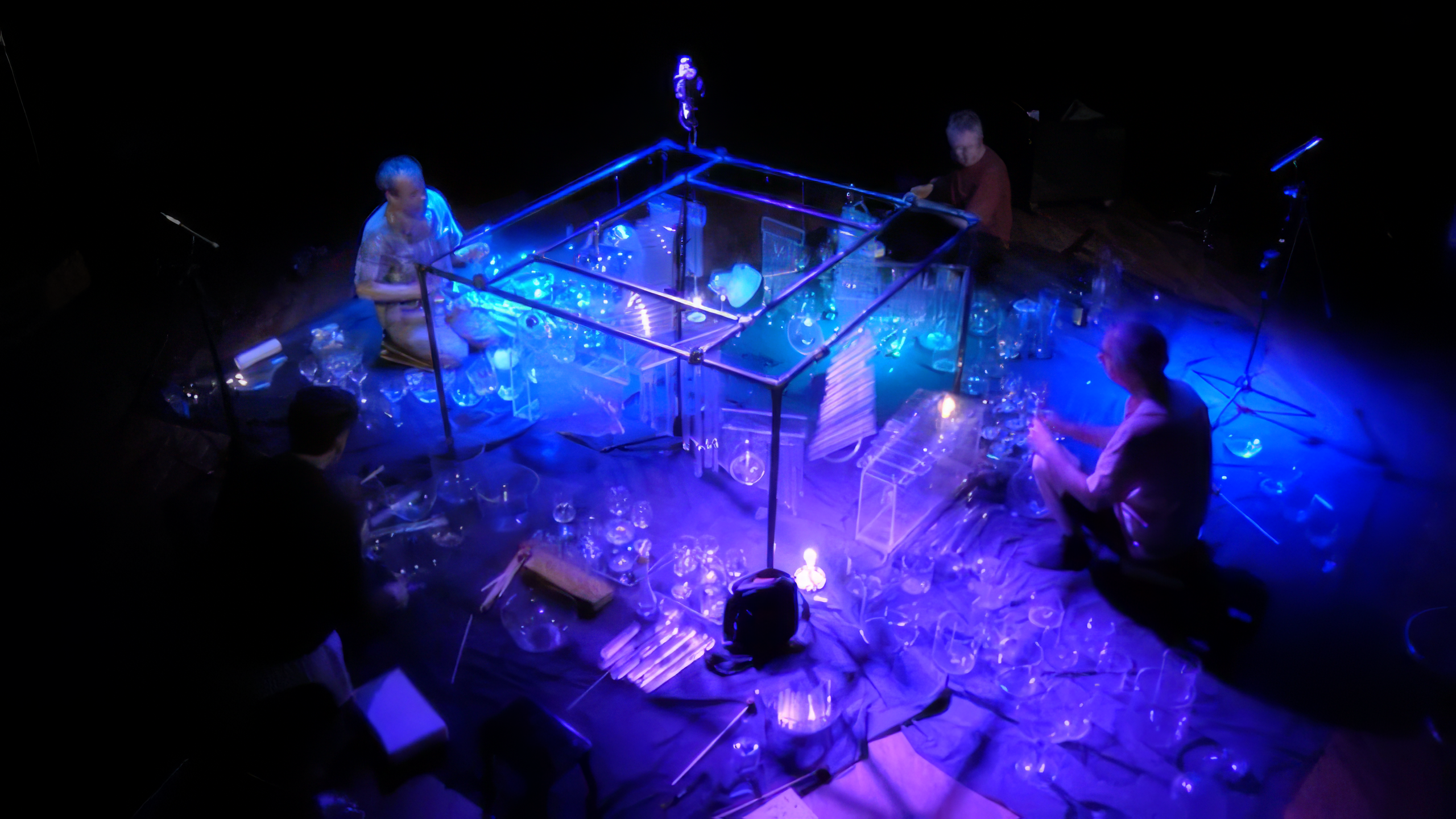
Forty-nine years after a York University class concert that never quite ended, Eric Cadesky on candlelight, breakage, and the world’s only ensemble that builds, plays, and tours its own glass instruments.
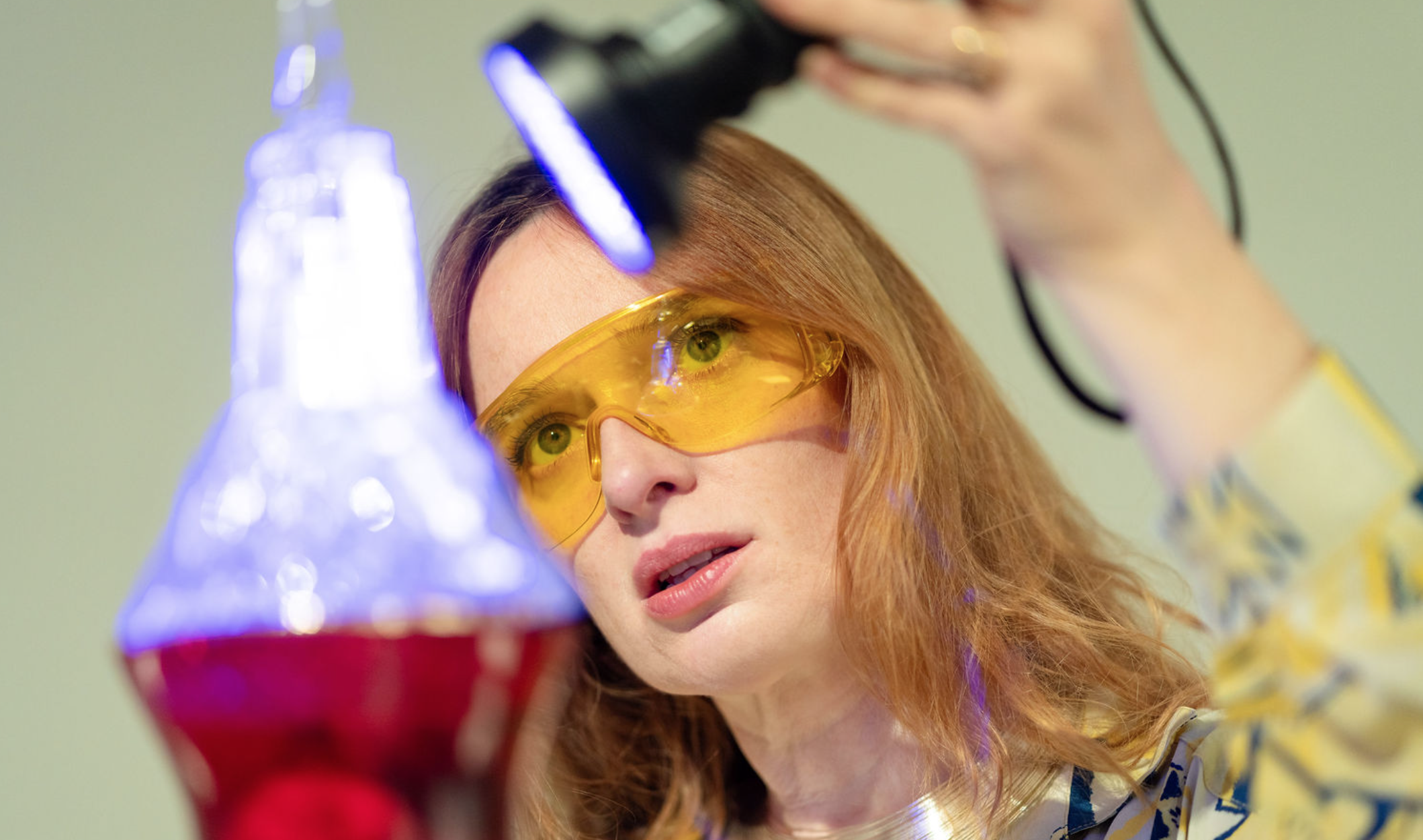
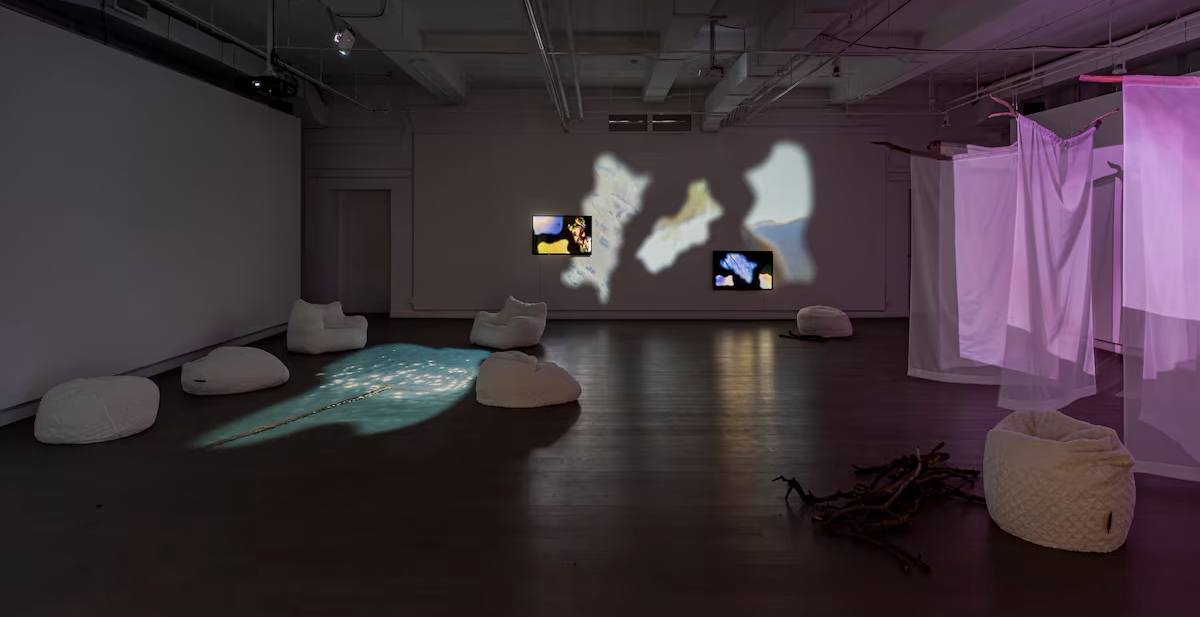
Polish artist and architect Natalia Romik speaks with Arcade about her exhibition Plague Crystals, now at Koffler Arts, and why fragile, translucent towers of crystal might hold what haunts us better than any stone monument.
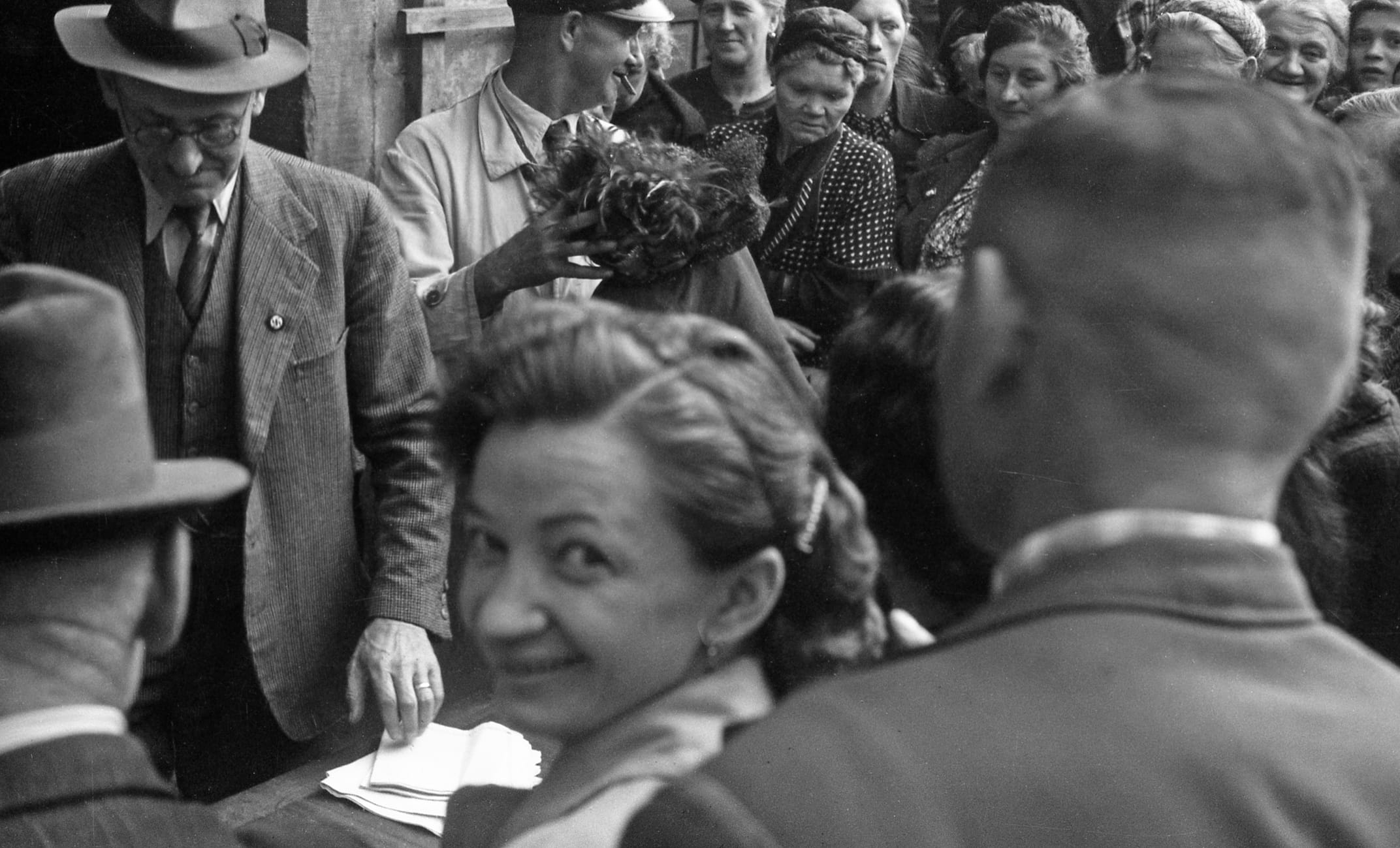
A new exhibition at Berlin’s Topography of Terror Foundation explores through diaries, propaganda messaging, and personal artifacts how much Germans knew about the Holocaust while it was happening.
Approaching 80, the celebrated Belgrade-born artist insists with her new exhibition at Gropius Bau that "Now it is the right time to talk about eroticism."
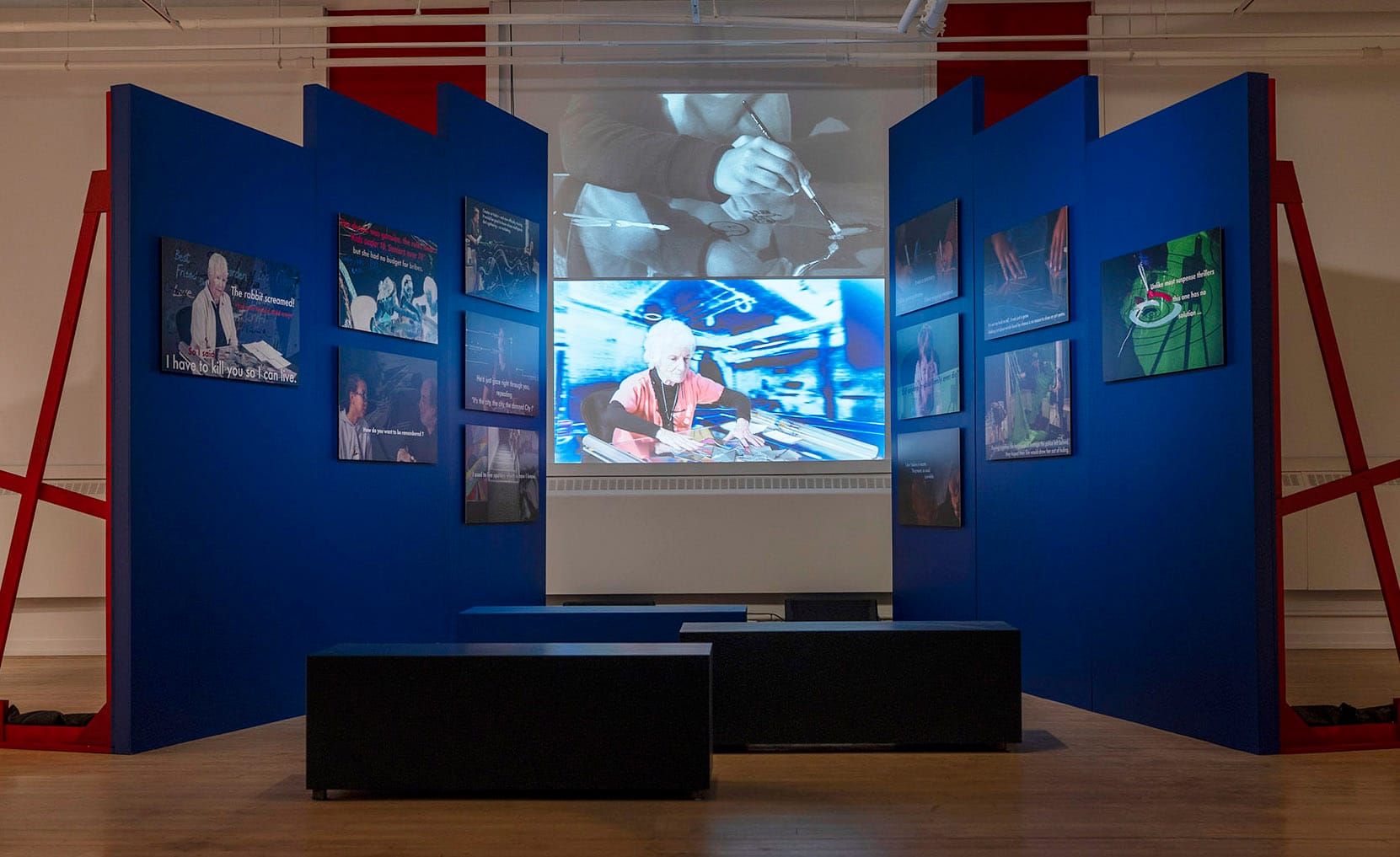
The pioneering Toronto multidisciplinary artist speaks with filmmaker Egoyan about the thinking and creative process behind her latest work, As If by Chance..., and the two types of prejudice faced by elder artists.
A panel discussion on the uses and abuses of how urban dwellers think about their relationships with nature, patterns of gentrification in Toronto, and how people have been inhabiting spaces like the Don Valley much longer than people assume.
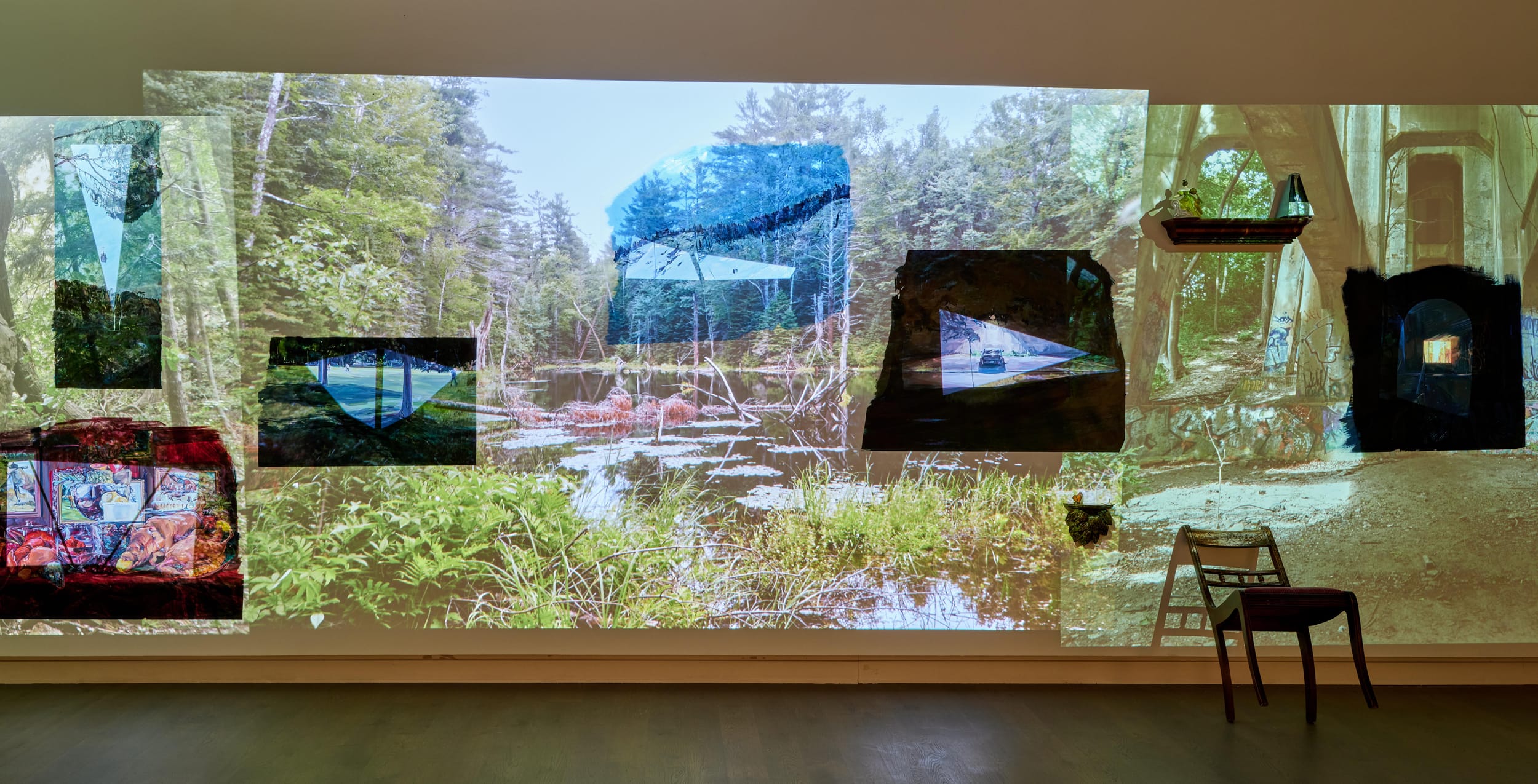
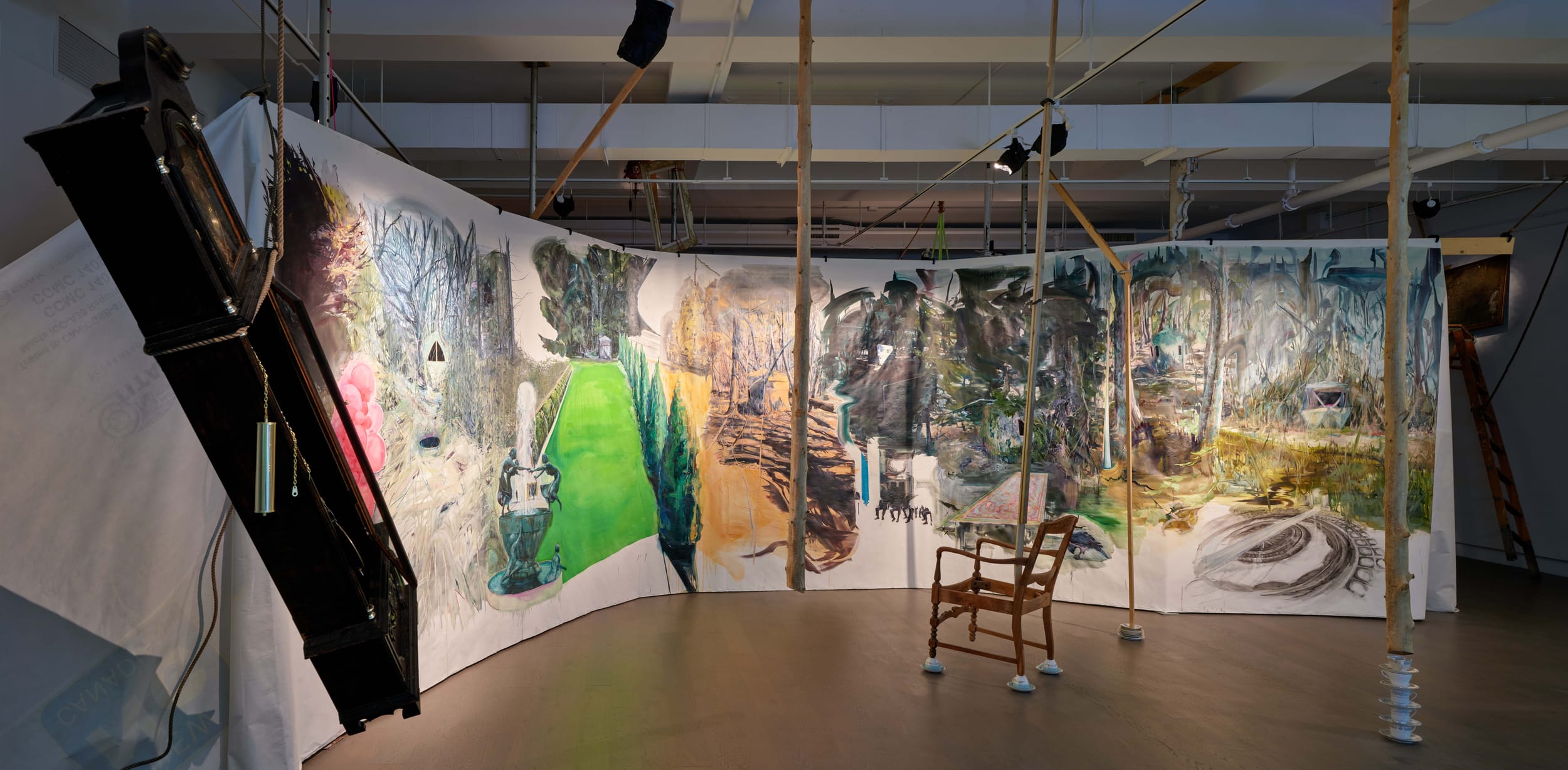
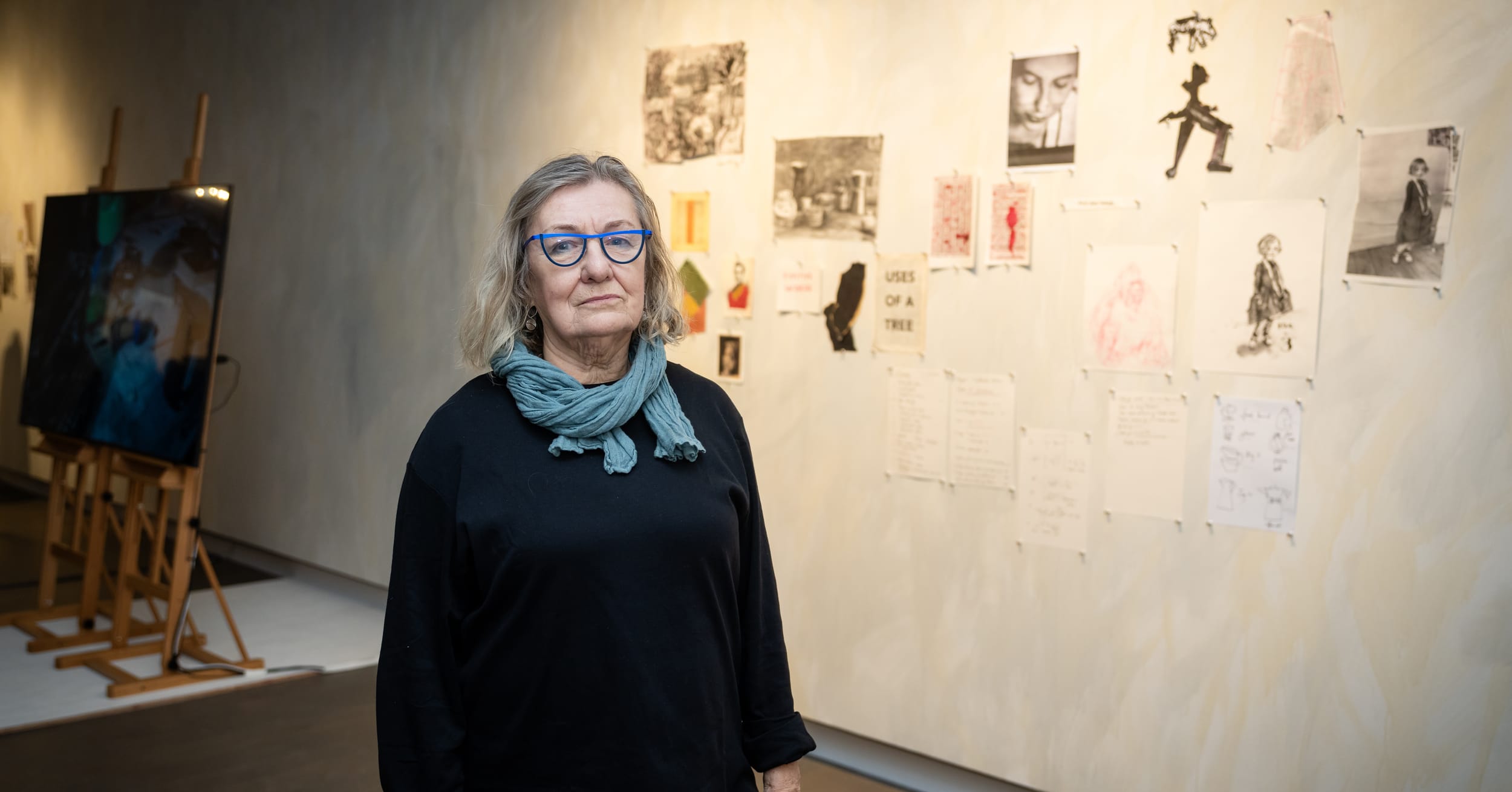
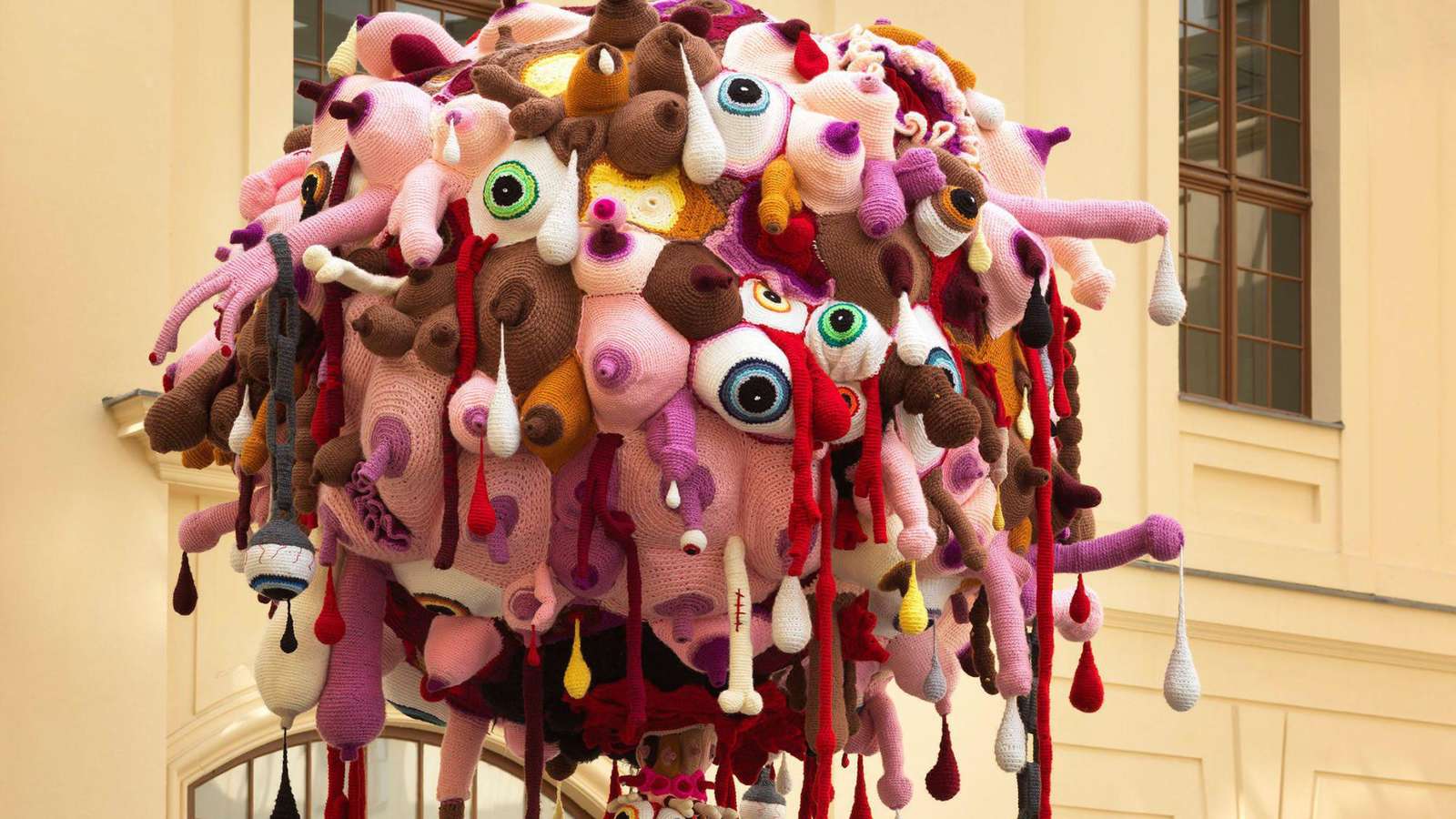
With her new exhibition, Glorious Catastrophe, Toronto artist Gillian Iles seeks out the paradoxes and possibilities in moments of extreme transformation.
Everything the wind blows on has decisions to make. The latest novel from Sarah Hall joins a growing conversation about non-human consciousness—and explores it with more joy, and more filth, than your average climate novel.
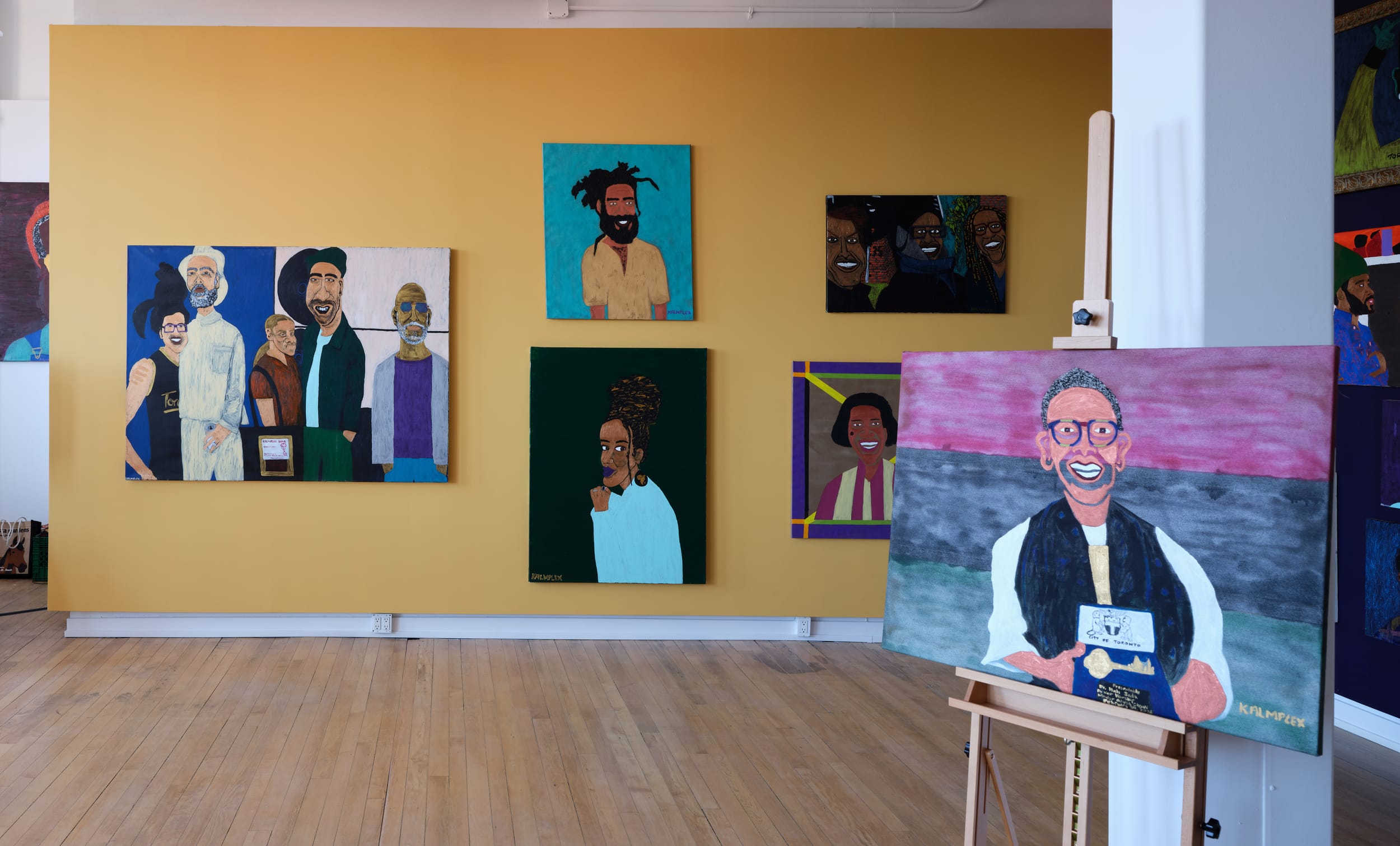
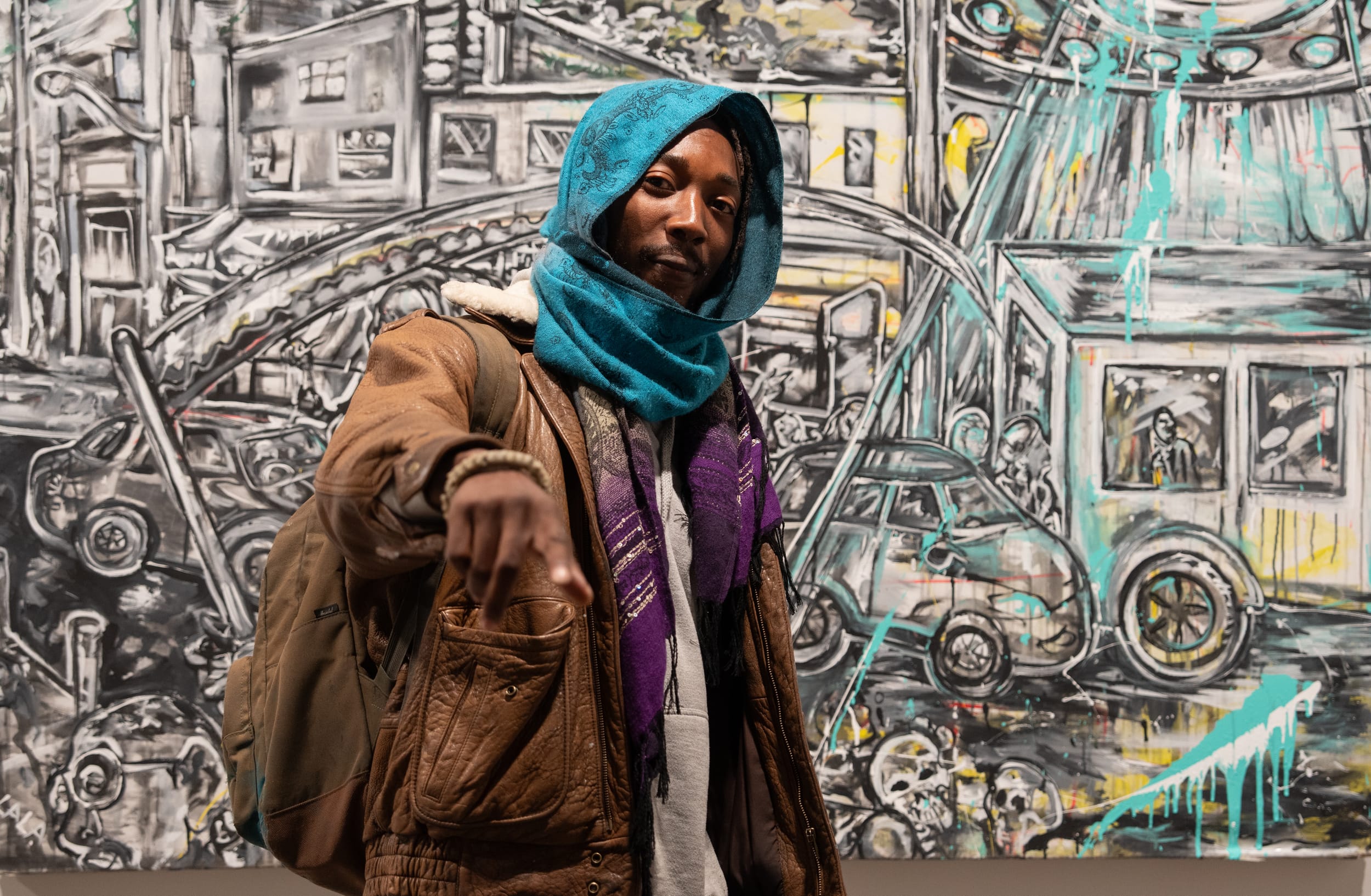
Toronto artist Kalmplex talks with curator David Liss about the inspirations behind his current exhibition at Koffler301 and his worries over the city losing its places of culture and connection.
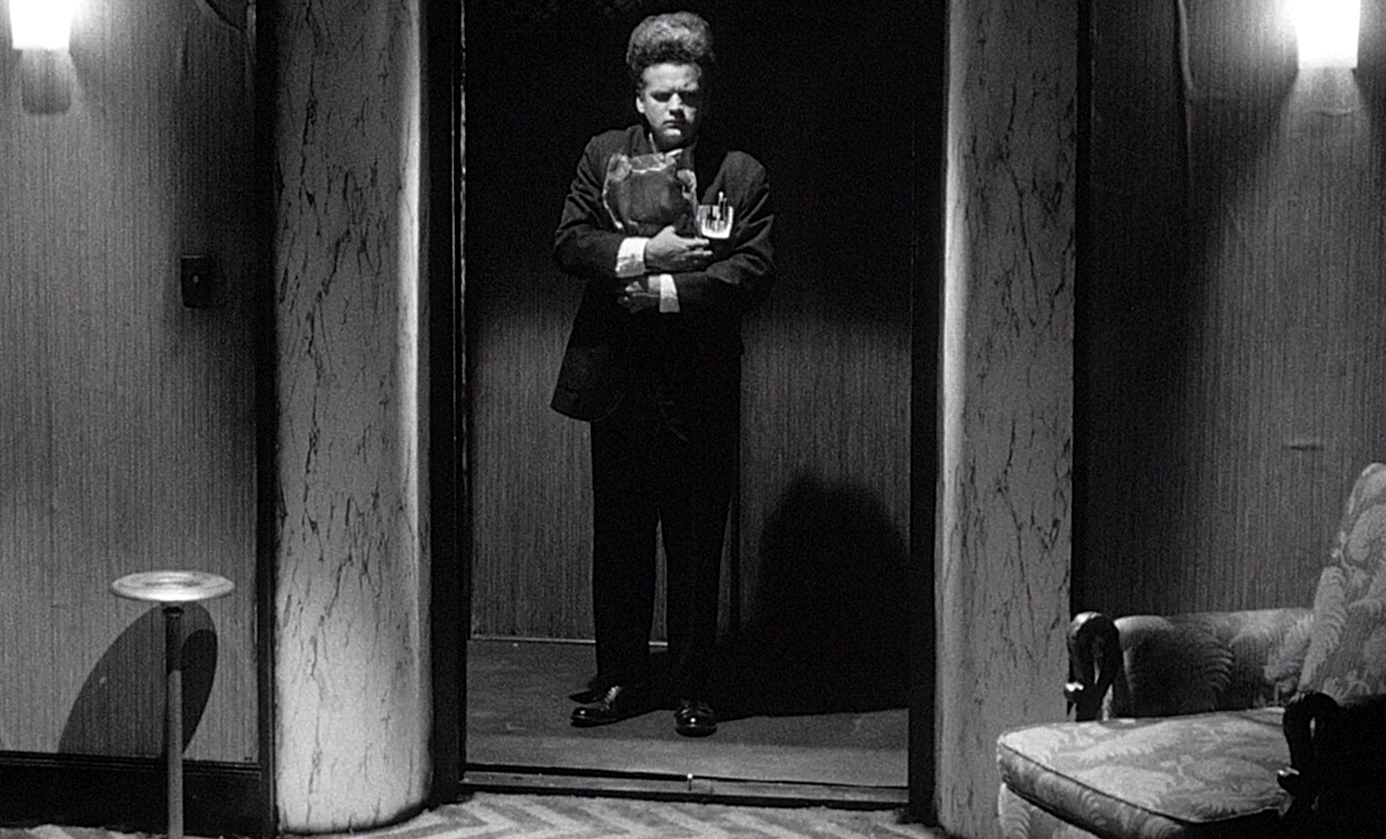
A Berlin exhibition of the beloved filmmaker's paintings and installations testifies to Lynch's 30-year connection with the city, from photographing its derelict urban spaces to an aborted attempt to establish a centre for Transcendental Meditation in Teufelsberg.
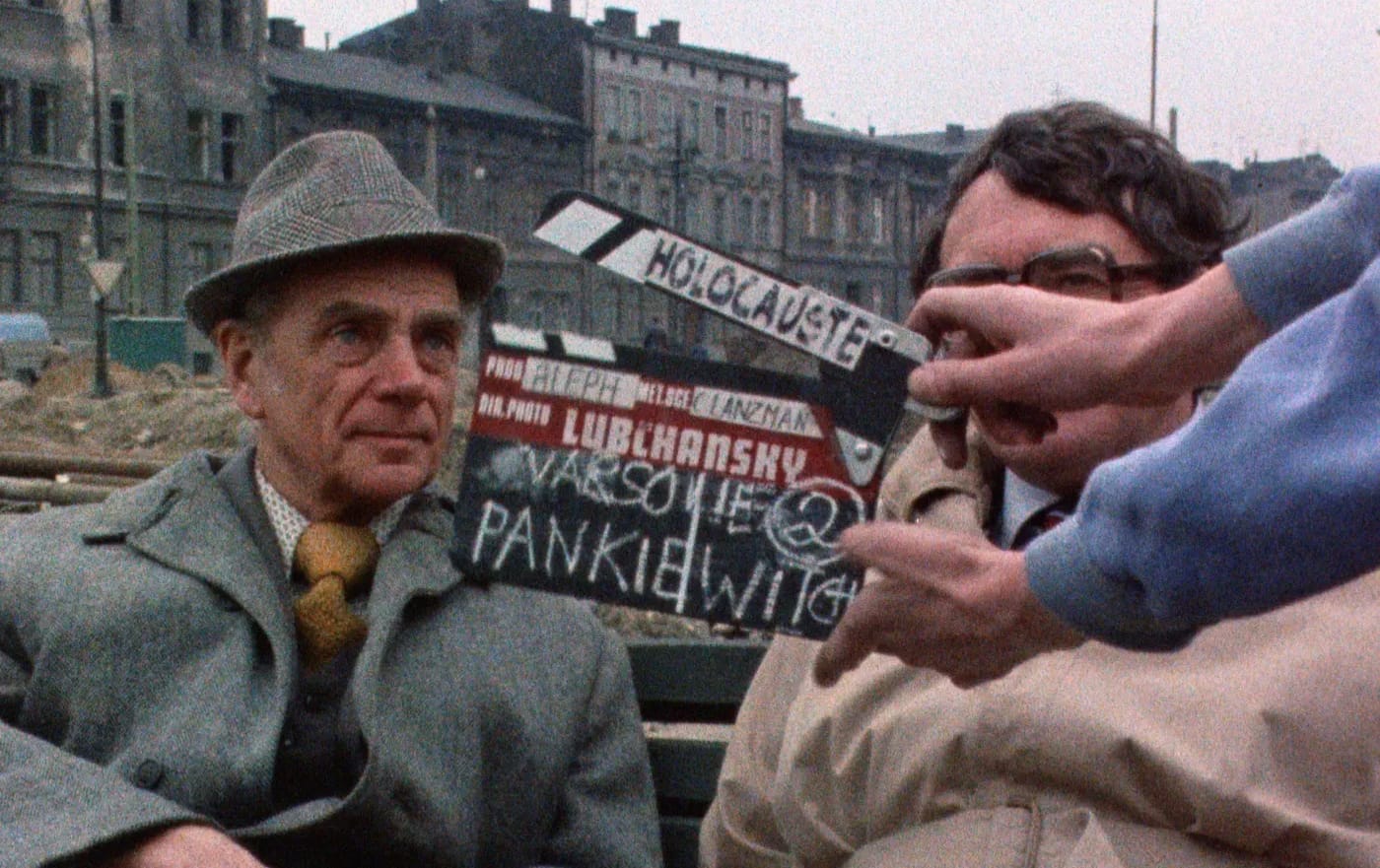
An exhibition at the Jewish Museum Berlin, offers a penetrating glimpse of the legendary documentarian as he begins to unravel the complex layers of the Shoah, and the challenges of capturing the presentness of the past.
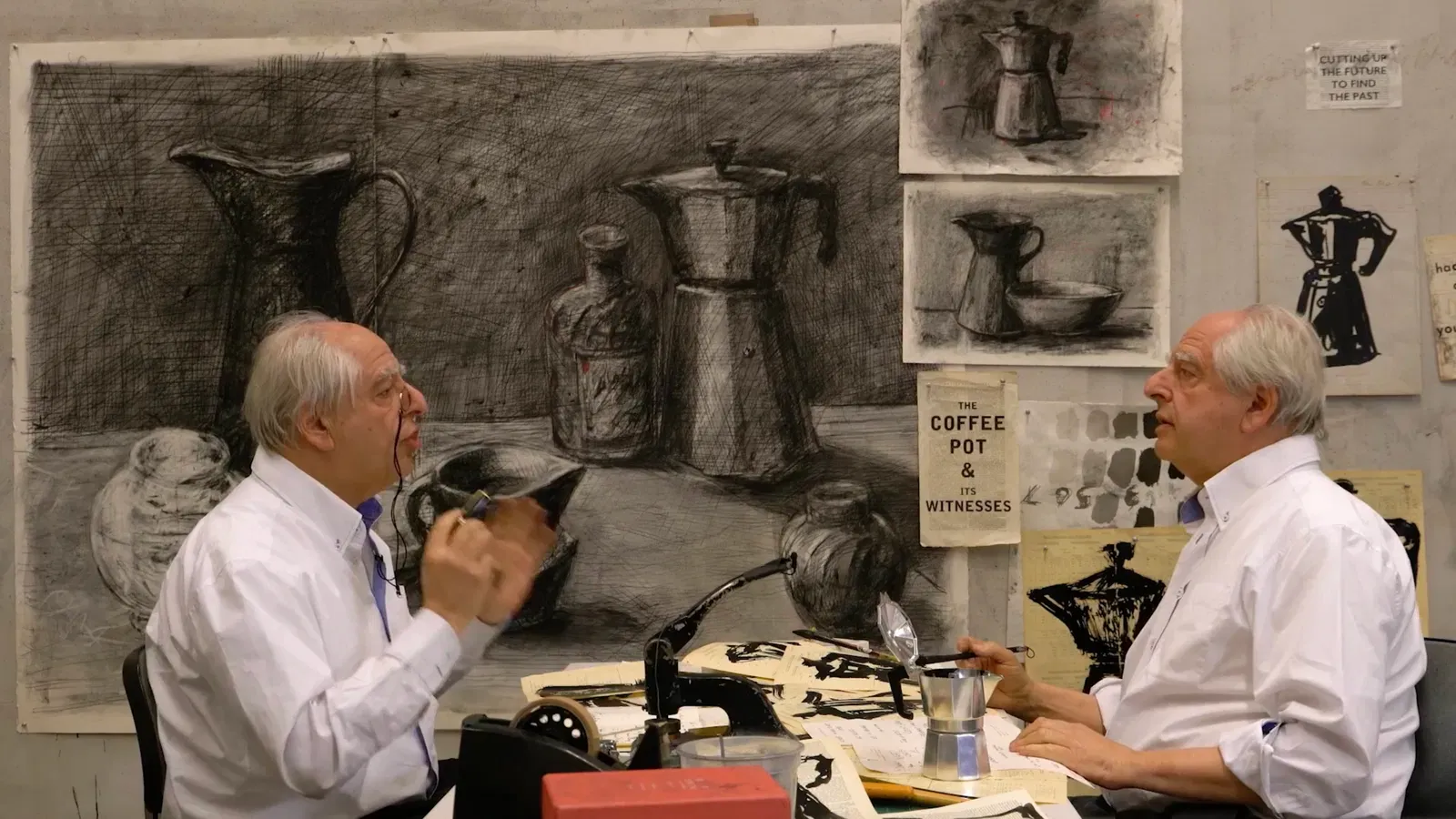
Theatre designer Teresa Przyblski on creating an environment for William Kentridge’s film series Self-Portrait as a Coffee Pot, where immersion begins with restraint.
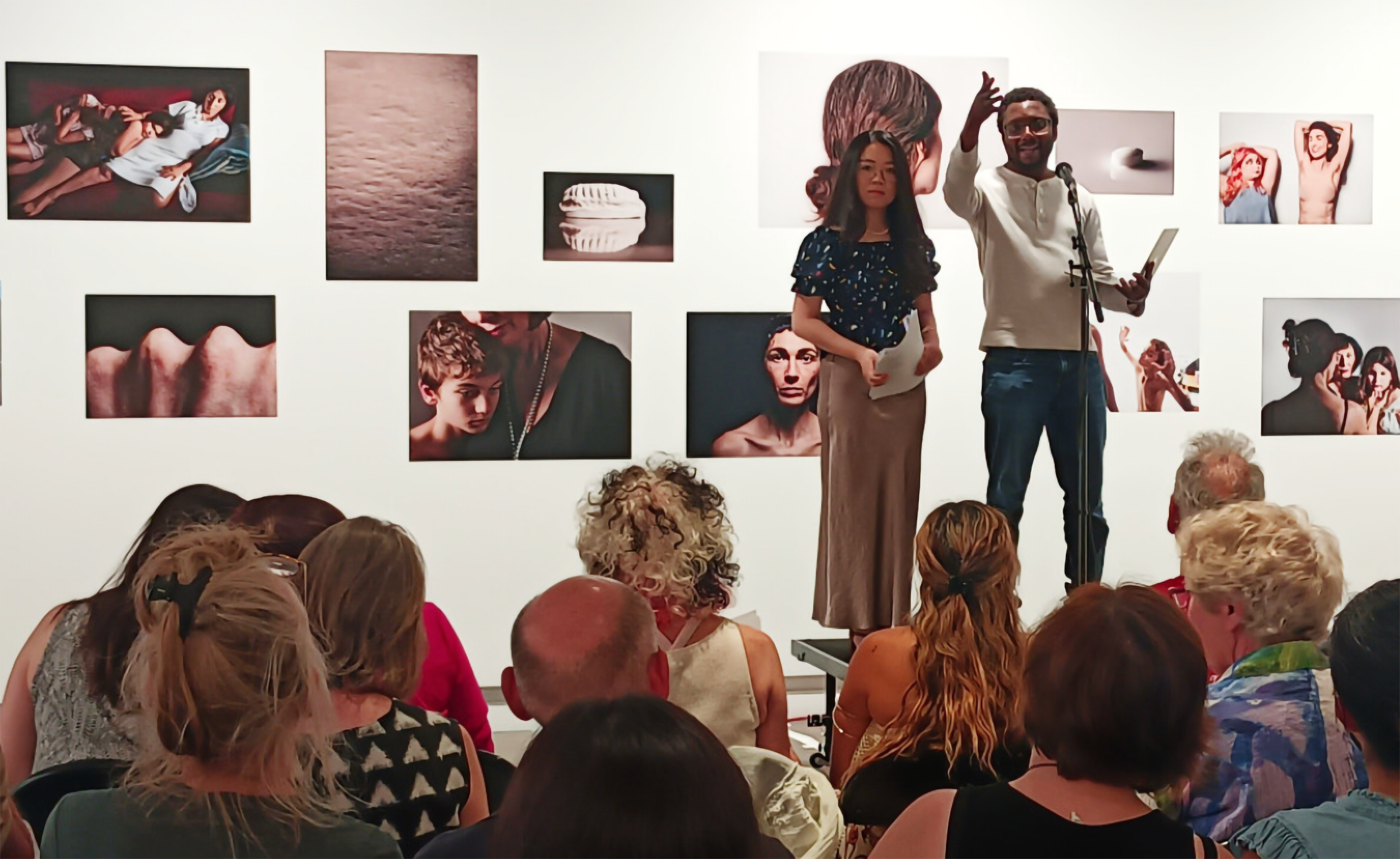
Actor, producer, and director Alon Nashman discusses World Play, an ongoing series of readings performed in multiple languages around a theme, and the pleasures of deep listening.
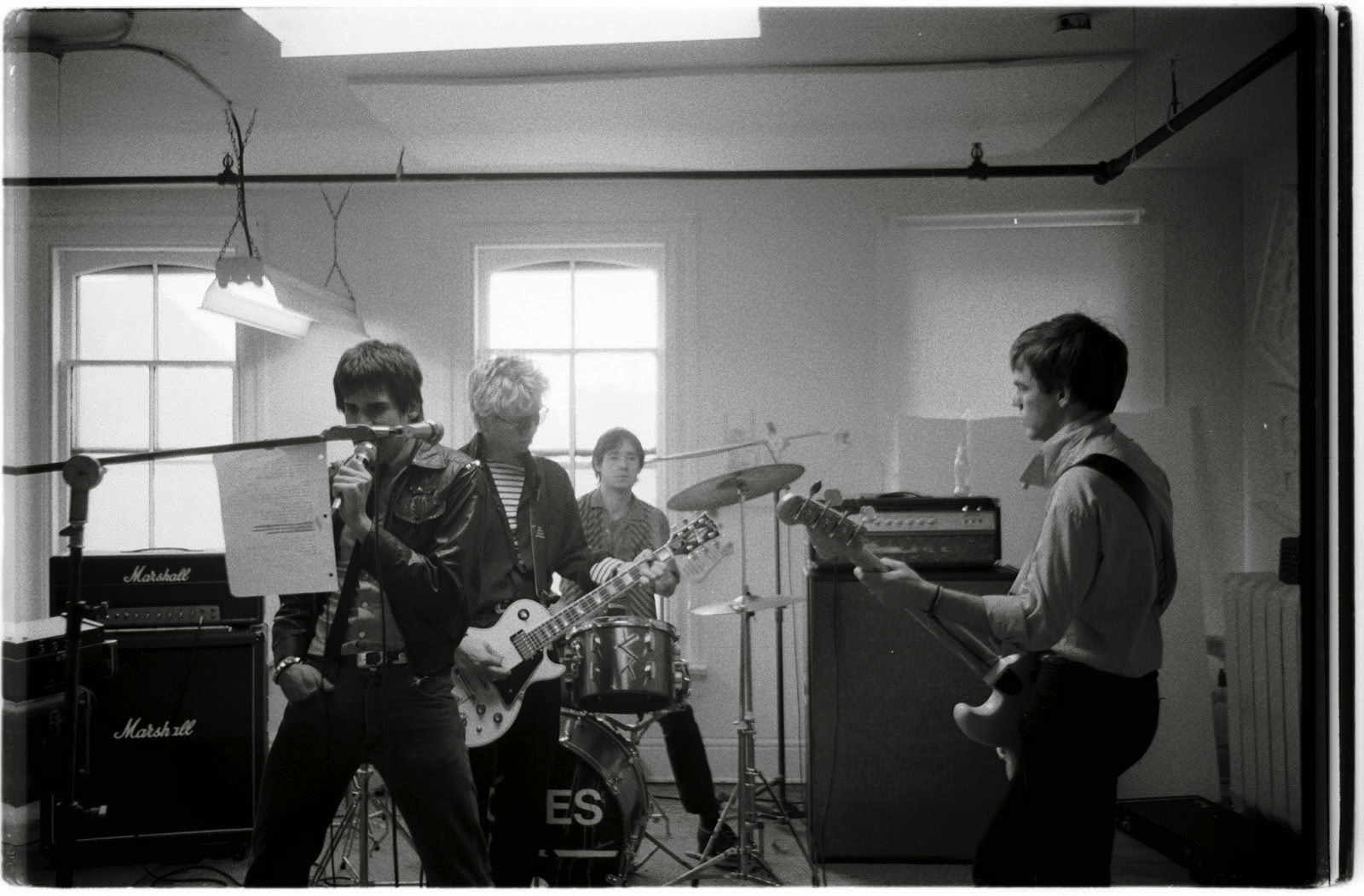
How Toronto’s early punk scene erupted into life, shaped by art school, DIY spaces, and a city steeped in constraint, boredom, and borrowed influence—told by people who were there.
As Koffler Arts closes out 2025, General Director Matthew Jocelyn looks back on a year of exhibitions, experiments, and encounters—and makes the case for why cultural institutions should resist being easily summed up.
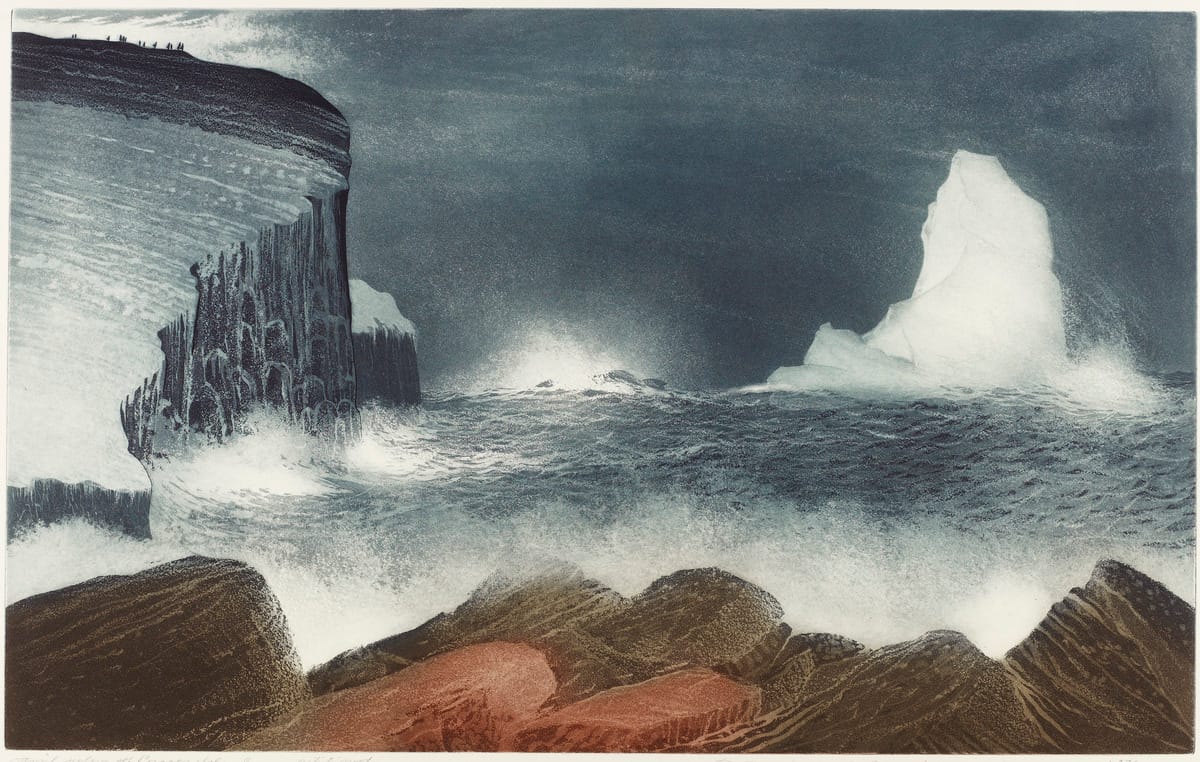
Patrick Pittman on David Blackwood’s lifelong devotion to the stories and storms of Newfoundland—and the fragile work of keeping a place, and its ghosts, from slipping away.
In conversation with Arcade, writer Shawn Micallef wonders whether Toronto really wants to be a city, and applies the lens of psychogeography to Tracey Snelling’s art.
Often blurring the line between documentary and dreamscape, Tracey Snelling’s sculptures, installations, and other works—now showing at Koffler Arts—cast the viewer in the role of voyeur.
In a conversation with Eleanor Wachtel presented by Koffler Arts and the Canadian Opera Company, William Kentridge discusses a career marked by indeterminacy, shadows, and restless energy, where drawing is at the heart of his work.
Tia Glista unravels the Möbius strip of narrative in Catherine Lacey’s latest book—a hybrid of memoir and fiction, about a recent break-up and an earlier loss of faith—and reflects on her own break with God, and what faith means in the first place.
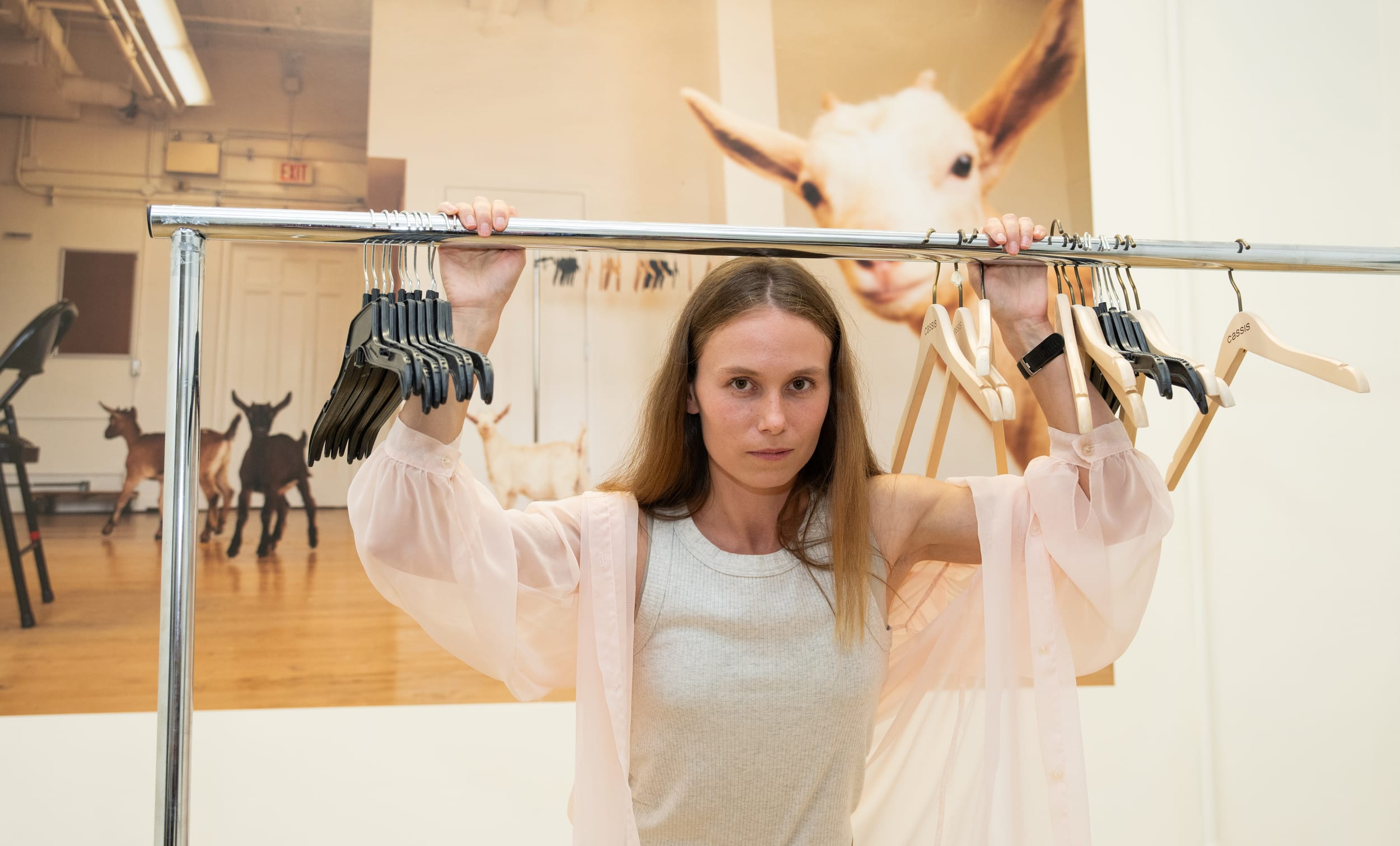
In Koffler301’s inaugural exhibition, Sage Szkabarnicki-Stuart uses goats, pigeons, and plastic bags to strange, slapstick effect, blurring the boundary between the mundane and the magical.
In No Fault, Haley Mlotek searches for the language of love’s quiet undoing—from grief to the unexpected grace that comes with choosing to leave a marriage. Patrick Pittman traces what happens when cultural expectations, legal reform, and literary form converge in the finality of divorce.
Maybe true artistic freedom isn’t about about perseverance, but knowing exactly when to stop. Jowita Bydlowska reflects on the decision by her mentor and friend Barbara Gowdy to quit writing.
In conjunction with her career retrospective now at Koffler Arts, Elana Herzog speaks with curator and longtime friend Jessica Stockholder about 1970s New York, the misunderstandings of formalism, and the evolution of a practice decades in the making.
Actor, director, and playwright Christopher Morris on the intensive research and moral questioning behind his play The Runner, opening this week in a new production presented by Koffler Arts.
Revisiting Cynthia Ozick’s writings on Helen Keller and Anne Frank, both included in the writer’s new career-spanning essay collection, are reminders that all Ozick’s tales feel like cautionary ones—it’s just not always clear what to avoid or how.
The images of British photographer Nadia Lee Cohen are by now widely recognizable—for their mannered artifice and cosplaying celebrity subjects. But are they saying anything more than "Look at me"?
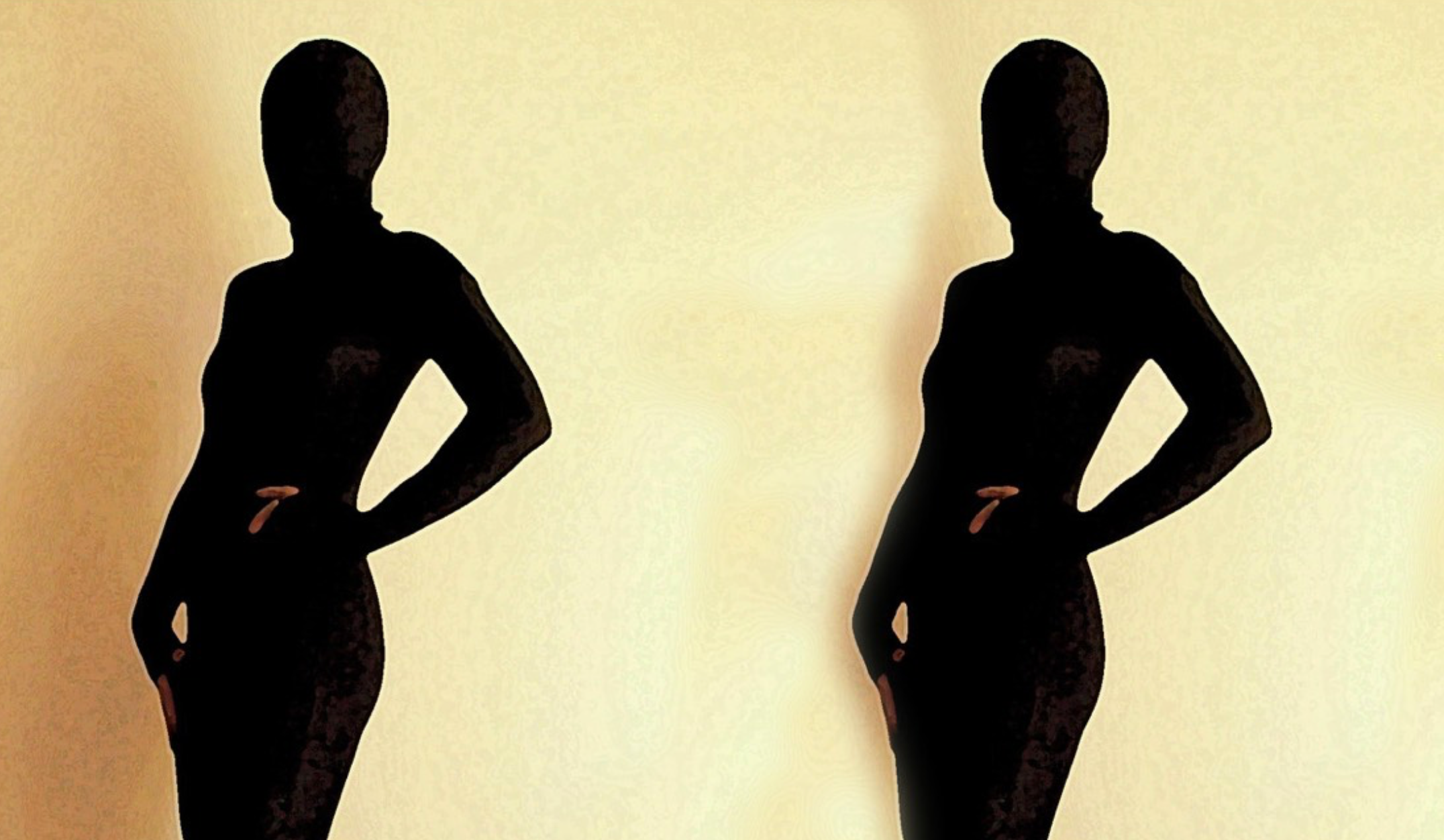
The doubles and divided selves who populate the world of Severance are no less fragmented than the ones we inhabit everyday. Carl Wilson unravels the TV show's eeriest truths.
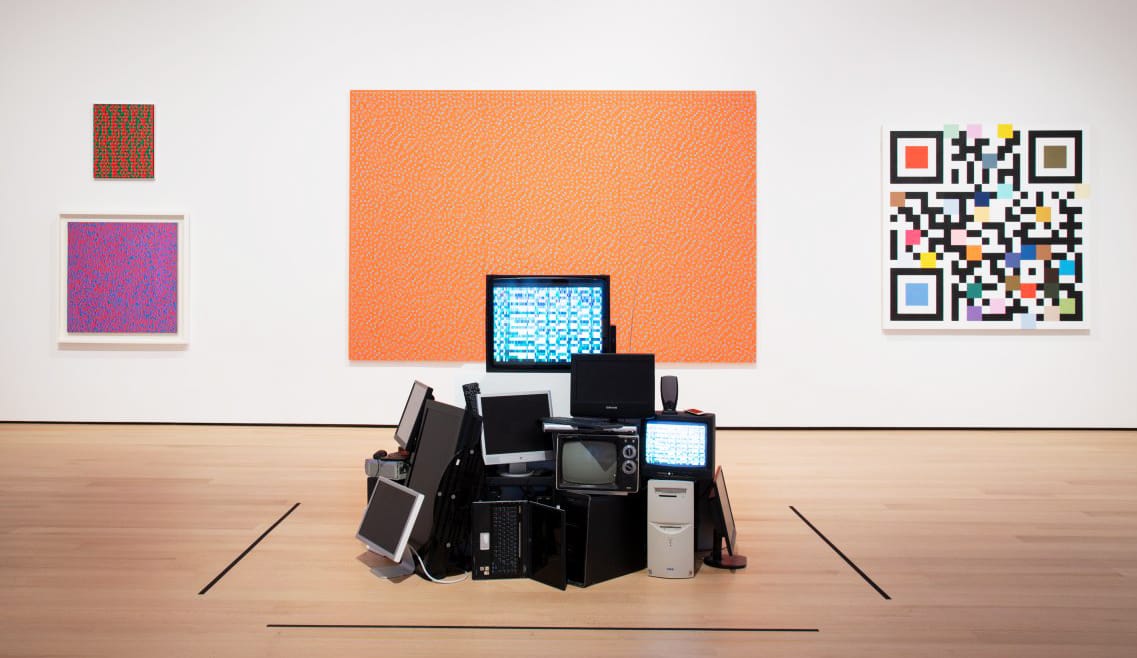
The survey exhibition Electric Op, now at the Buffalo AKG, reconsiders the short-lived and oft-derided Op art movement within a sixty-year trajectory of digital and new media art making.
Another DECADE, the multi-artist show now on at Koffler Arts, shifts the spotlight onto the many arts organizations that call the Youngplace hub on Shaw Street home.
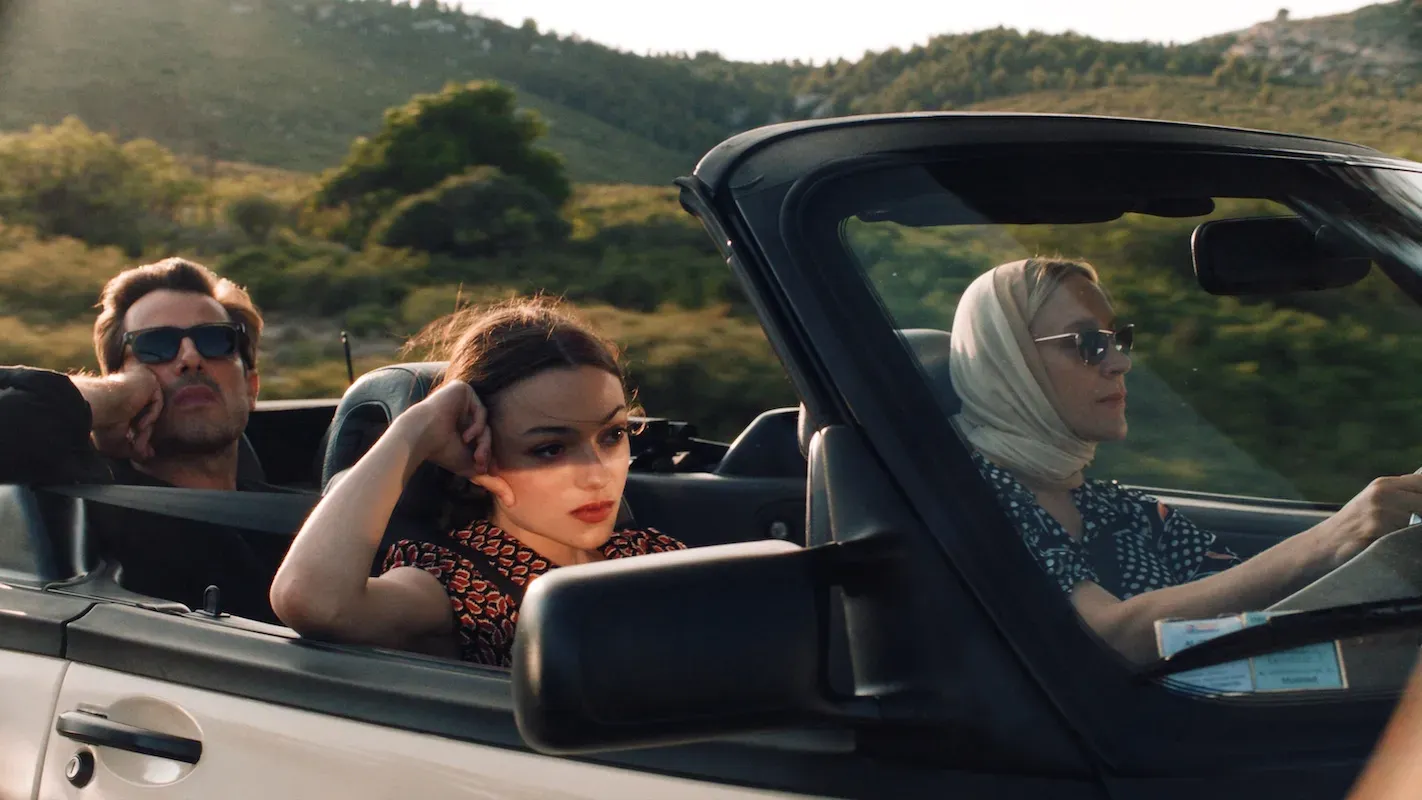
As with so much of her writing, Durga Chew-Bose’s directorial debut is an exercise in the poetics of close observation and studied nonchalance. But is there anything deeper going on beneath its perfectly impenetrable surface?
Jonathan Garfinkel explores a new exhibition that attempts the sticky, contradiction-laden, and perhaps impossible task of figuring what sex means in a Jewish context, from the Mishnah to Dr. Ruth and beyond.
From her talk presented by Koffler Arts, producer and actor Jennifer Podemski reflects on her early years navigating her dual Jewish and Indigenous identities, what that taught her about the importance of continuity, and how her career has shaped the way she thinks about representation in media.
Poet and playwright Titilope Sonuga on her new libretto for Stravinsky’s 1918 theatrical work being performed by the Art of Time Ensemble, inspired by the story of the Canadian army’s first all-Black battalion.
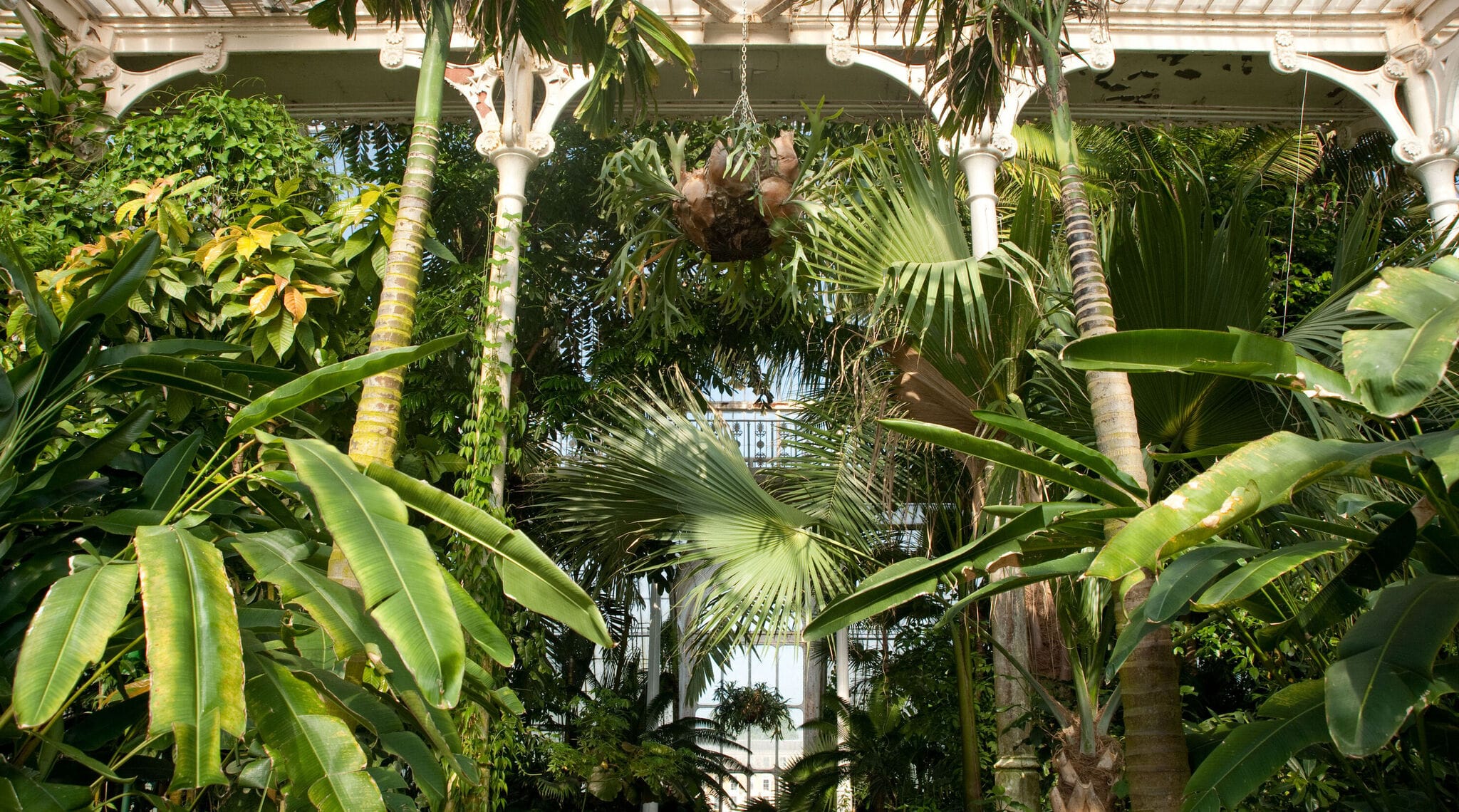
As with the field of botany, the idea of the botanic garden in the West is deeply rooted in the history of European imperialism and extractivism. Led by London's iconic Kew, botanic gardens around the world are now attempting to untangle the legacies of empire.
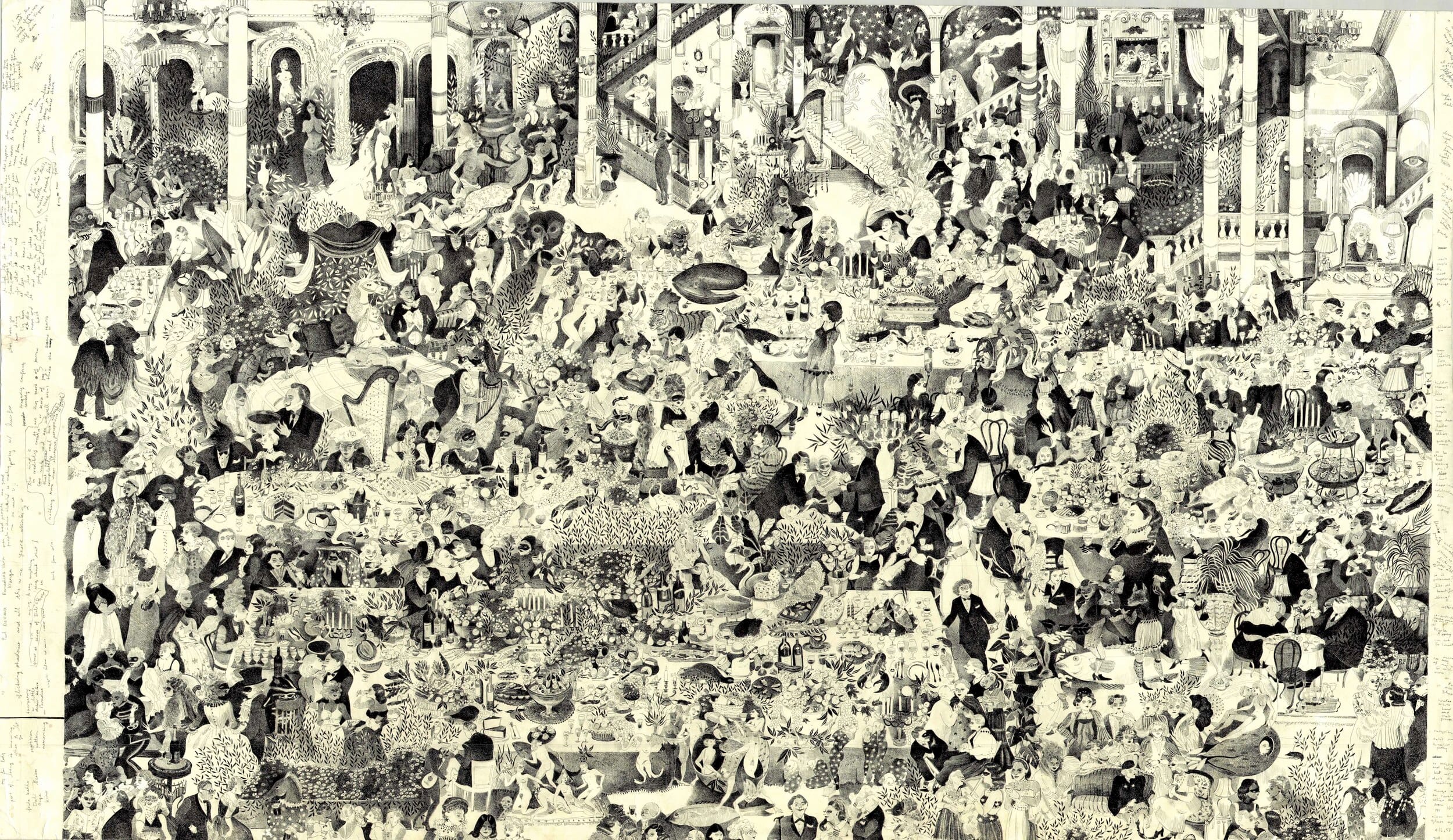
If singers and musicians are our culture’s de facto philosophers of love, what do their sometimes headline-grabbing relationships tell us about the art of creating together.
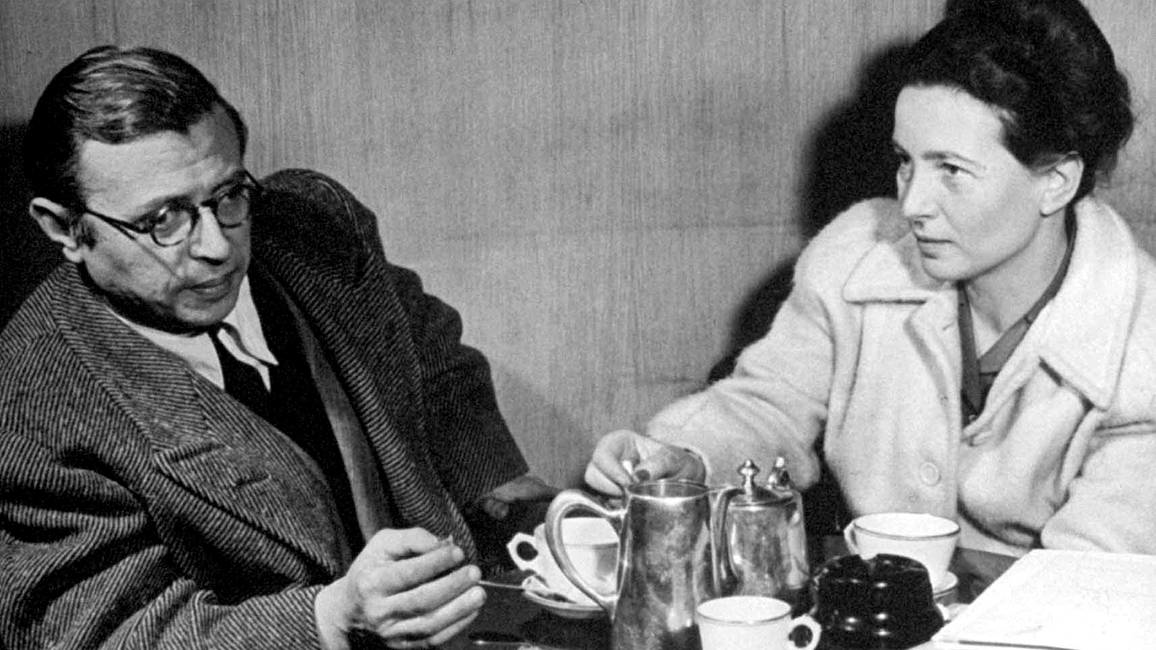
When it comes to 20th century intellectual power-couples, no two represented more disparate ideas about marriage and freedom than the chain-smoking liberationists Sartre and de Beauvoir on the one hand, and the neoliberal economists Milton and Rose Friedman on the other.
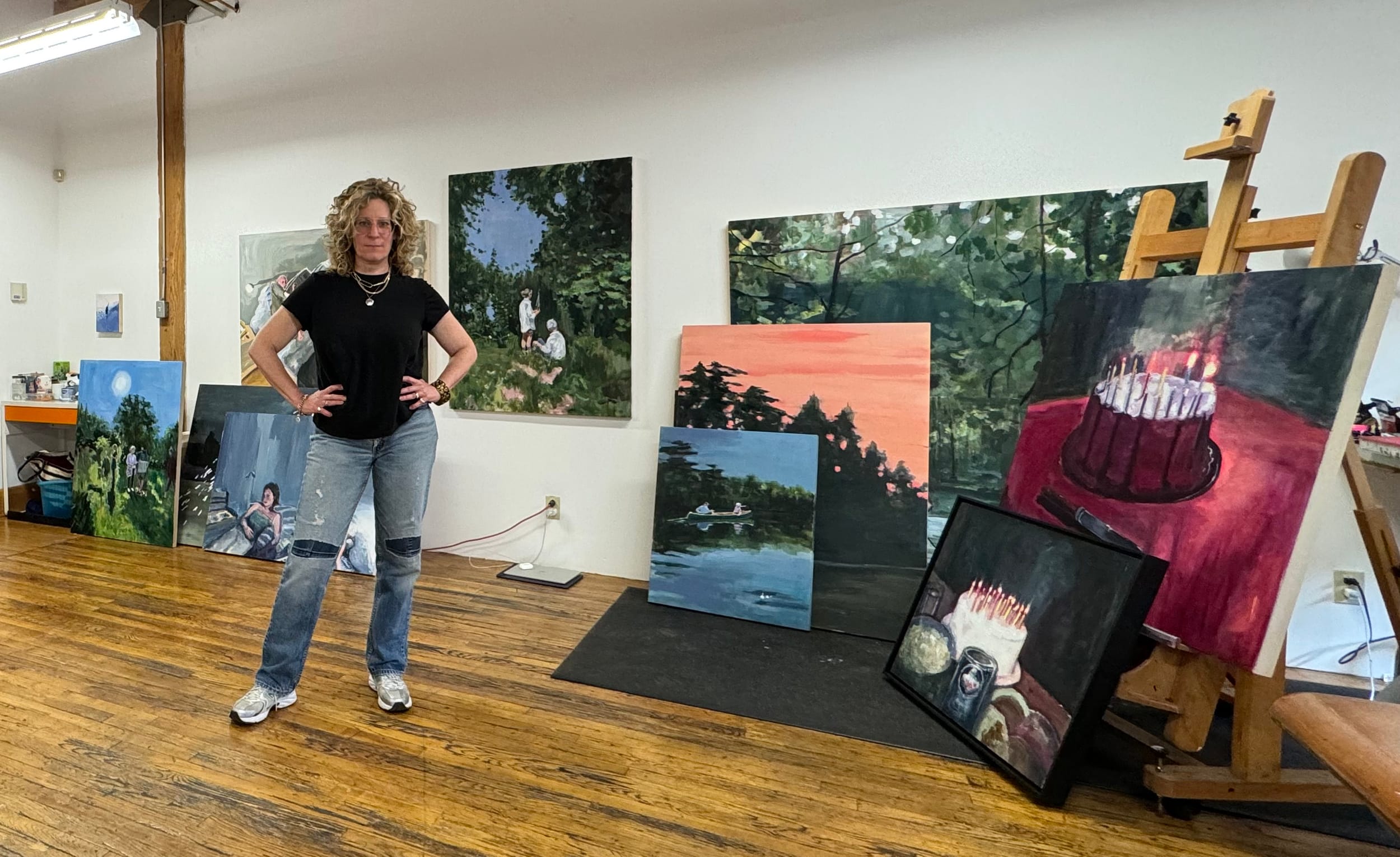
Arcade speaks with Toronto artist Nancy Friedland on what drove her mid-career transition from conceptual photography to painting, and how the anticipation of grief lay at the heart of much of her work.
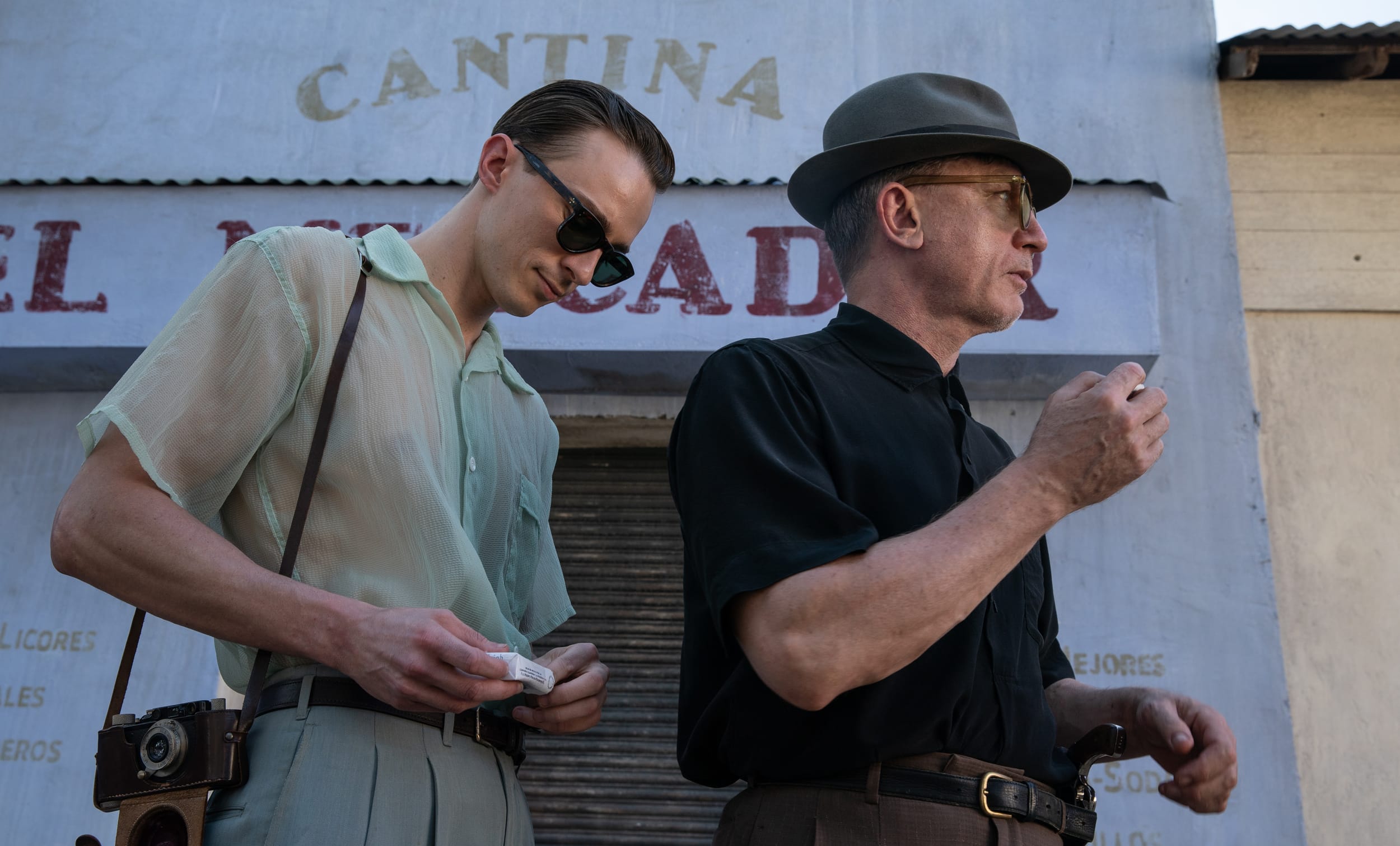
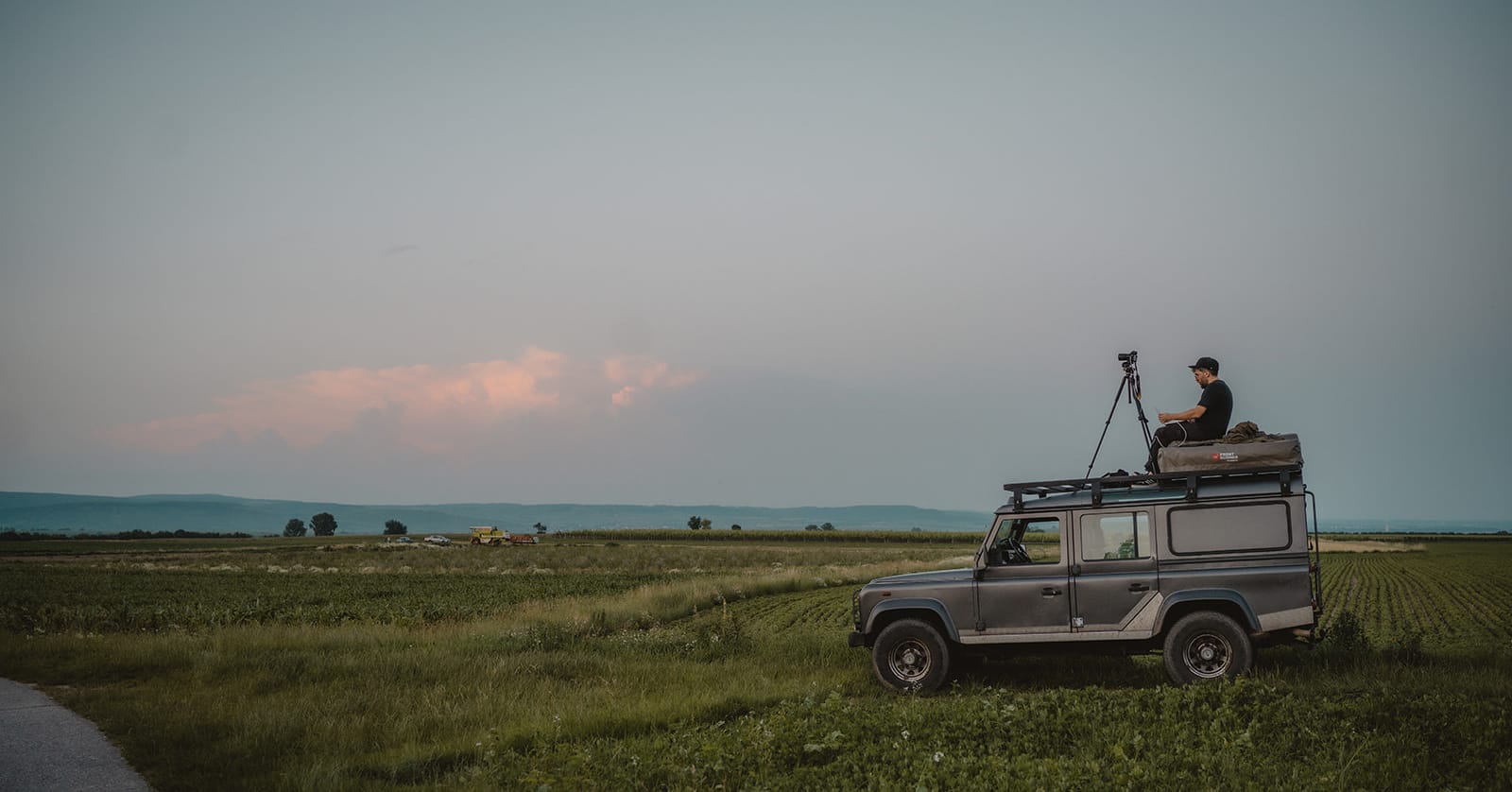
While trying to work on a book about illness on a residency near the former POW camp of Stalag-17B, Jonathan Garfinkel is drawn into friendship and dark contemplation with the Australian transdisciplinary artist Ian Strange
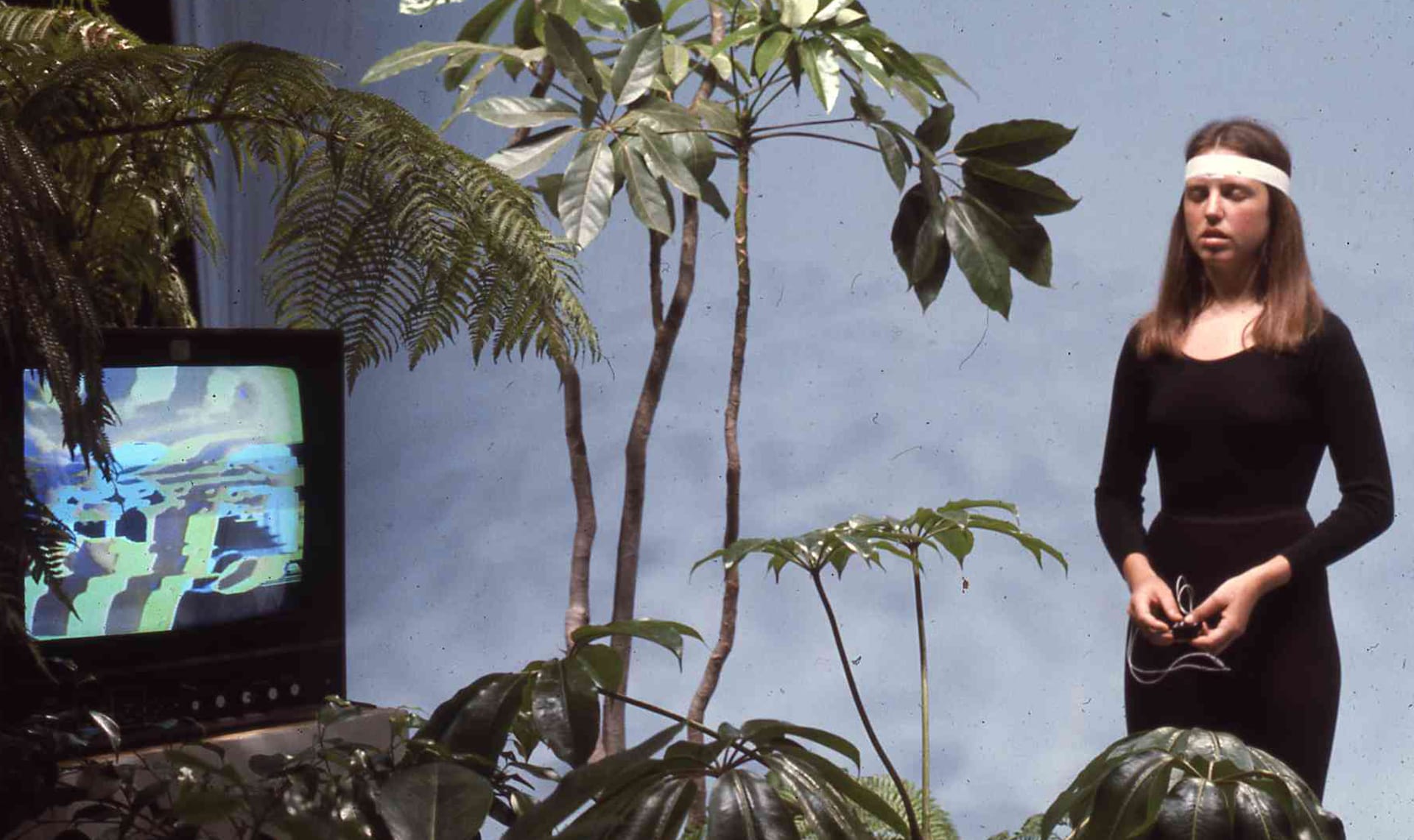
The question of whether plants could have consciousness has not been left quietly back in the ’70s, as Linda Besner discovers in Zoë Schlanger’s new book, The Light Eaters.
As he approaches the first anniversary of his joining Koffler Arts as its new general director, Arcade spoke with Matthew Jocelyn about the tenuous position of Canadian arts organizations, and his vision for Koffler going forward.